
|
Sunday, July 21, I drove over to Sheridan to worship with Pastor Scott McDermid and the team at Six Points Wesleyan Church. One of their delegates to the district conference gave an update on our meeting to the congregation with a strong affirmation of the work we’re doing together as partner churches in The Wesleyan Church.  Pastor Scott preached the first sermon in a new message series on the life of Gideon. Six Points Church was blessed with six more baptisms yesterday as an entire family publicly professed their faith in Christ. Praise God for lives being #MadeNew! Sunday evening, Sherry and I were privileged to attend the opening service of this year’s Fairmount Family Camp. Led by a great team including Pastor Jeff Luedtke, Pastor Rob Tippey, and Executive Director Krista Brown, the camp opened with the tabernacle nearly filled to capacity.  Dr. Jim Dunn, president of Oklahoma Wesleyan University (and a proud 1984 graduate of Mississinewa High School) brought the message of the evening from the call of Samuel and the importance of receiving God’s Word. Dr. Dunn will be joined in the preaching rotation by Rev. Moe Diggs. Services begin each evening at 6:30 and I know you’ll be encouraged if you’re able to attend. Sherry and I arrived home from our summer break on Friday. Our time away included visiting Sherry’s brother and his family in Louisiana. Then we traveled to Destin, Florida to welcome our newest grandchild, Isaac. He was born on Monday, July 15, and we were there to hold him on Tuesday, July 16. We’re thanking God that Elizabeth, his mother, and baby Isaac are both thriving. Isaac is grandchild #5!  Saturday evening, I was able to attend the last evening service of Frankfort Family Camp. Rev. Tom Schmidt, former pastor of The Branch Wesleyan Church in Lafayette and retired DS of North Michigan District, and Dr. Mark Wilson, longtime friend and professor of religion at Southern Wesleyan University, were the camp evangelists. Dr. Wilson preached from Psalm 84 on our pilgrimage with God. Pastor Allen and Grace Gross (Cicero United Wesleyan) led the youth ministry track. Our friends Phil and Rhonda Foley do a great job leading this ministry.  I’ve heard great reports from Fairmount Kids Camp. Rev. Michele Henry (Brookhaven Wesleyan Church) led an amazing team of volunteers in providing this life-changing experience for children. They registered more than 200 campers this year. Special thanks to several of our district pastors who volunteered to serve at this camp!  Baptism reports continue to come in from across our district. Plymouth Wesleyan Church baptized 8 new believers on Sunday morning, July 14!  Marion Lakeview Wesleyan Church baptized five new believers on that same Sunday, July 14. They also had another believer who reaffirmed their baptism. Praise God for life change!  Pastor Sam Maddox and the team at Albion Wesleyan Church hosted another community block party distributing backpacks with school supplies for neighborhood children. They also celebrated two more baptisms in the parking lot!  Pastor Terry Vaughn and the team at The Bridge Urban Church in Mishawaka celebrated three more baptisms on Sunday, July 21. These were three young men off the streets who had been reached by another young man that Pastor Terry has been discipling. God is on the move!  Mark your calendars and plan to attend the Crossroads District “Ordination and Celebration of Ministry” on Sunday, September 15, at Lakeview Wesleyan Church in Marion. Ordained ministers will meet at 4:30 pm for the group photo with this year’s ordinands and final directions for the service. The service will begin promptly at 5:00 pm with a celebration of our retiring ministers, decadal years of service awards, ordinations, and a reception for all.  We’re excited to partner with our friend Shawn Lovejoy and his organization, Courage to Lead, to offer this special leadership training event for pastors and business leaders on September 17. Before launching his coaching and consulting ministry, Shawn was both a successful commercial real estate developer and an effective church planter. We’re grateful for Shawn’s willingness to provide a 30% discount for our district pastors. Use the discount code “Wesleyan” when you register and let’s enjoy this day together learning to be more courageous leaders. https://www.couragetolead.com/oneday  Our prayers and condolences are extended to Rev. Theo Griffin (Brown’s Chapel) on the death of his brother last week and to Rev. Scott Rhyno (Waterline Church) on the death of his father yesterday afternoon. Both of these men who died shared our hope in the triumphant resurrection of Christ, but we do pray for their families who grieve their loss. Thank you for all you do to advance God’s Kingdom!! What you do matters for eternity! Your servant in Christ, Mark Gorveatte Crossroads District Superintendent P.S. Pastors, you received direct communication from Michael Wood earlier this month about special events for you and your spouse. That email also contained the information for property improvement projects matching grants. Remember that the application deadline is August 31. More than 400 lay leaders and clergy gathered at Lakeview Wesleyan Church in Marion on Saturday, June 29, for our Crossroads District annual conference. This was the highest attendance since our merging conference in 2016. What an exciting day!  *** Just a reminder that our Crossroads District “Ordination and Celebration of Ministry” will be held on Sunday, September 15, at Lakeview Wesleyan Church in Marion. Ordained ministers will meet at 4:30 pm for the group photo with this year’s ordinands and final directions for the service. The service will begin promptly at 5:00 pm with a celebration of our retiring ministers, decadal years of service awards, and a reception for our newly ordained ministers.  We began our time together led in musical worship by church planter Janiel Caraballo and a team including vocalists and musicians from Exit Church in Anderson and Rising Hope Church in Muncie. It’s inspiring to be in a room full of Wesleyans lifting their voices together in praise!  We continued in worship together through the sacrament of communion. Dr. Chris Williams, Assistant DS and our host pastor for the day, along with Circuit Riders Rev. Mark Atkinson, Rev. Neftali Lopez, and Dr. Jim Lo, led us in celebrating The Lord’s Supper.  We received special reports from honored guests including General Superintendent, Dr. Wayne Schmidt, Kingswood University’s President Steve Lennox, and Global Partners’ representative Rev. Ian Swyers. Dr. Kulaga, president of IWU, was unable to join us but Dr. Mark McMichael represented the university. We were also delighted to have several exhibitors present, including Marv Miller from American Church Group (Brotherhood Mutual). It was through Marv’s generosity that we were able to award the door prize of a free iPad to Jared Kaufman, Assistant Pastor at Fairmount Wesleyan Church. Statistical highlights for the past conference year included 9% combined growth in worship attendance (12,426, up 1087 from 11,339 last year) with 66% of the churches reporting growth. You invested a near-record 97.6% of assessed contributions toward the United Stewardship Fund. Most importantly, we celebrated 1416 professions of faith and 884 baptisms (the highest in at least 20 years). In answer to our prayers for God to send out laborers into His harvest field, 168 persons expressed their discernment of God’s ministry calling on their lives. Combined with the 156 last year, that totals 324 answering God’s call in the past 24 months. God is on the move!  Conference business for the day included DBA elections and two DBA recommendations.
The conference concluded with a challenge to stay focused on our mission that matters for eternity. We still have 3 million unreached people in the growing state of Indiana. Our church planters gathered at the front as Dr. Jim, our District Prayer Coordinator, led us in a time of blessing these pioneers and praying that God would send even more laborers into His harvest.  Thank you again to Dr. Chris Williams, host pastor, and the Lakeview Wesleyan Church team for an amazing job of hosting our conference. And special thanks to Michael Wood, the man so often behind the scenes who really makes the magic happen! The DBA met following the conference and took the following actions. Dr. Chris Williams was re-elected Assistant DS and as Vice-Chair. The DBA also approved the recommendation to elect Rev. Grace Lopez as Assistant District Superintendent for Hispanic Ministries. In addition to her continued leadership of FLAMA (the Spanish-language ministerial training program), Rev. Lopez will visit each Hispanic congregation this conference year and will assist the DS in other initiatives to encourage the development of our ministry with Spanish-speaking leaders.  Sherry and I finished an amazing weekend by worshiping at ONE Church in Westfield with Rev. Andy Riemersma and his team. They had already celebrated one baptism midweek in the YMCA pool. That baptism came about as a result of Pastor Andy serving as a chaplain with the Indiana Pacer’s G-League team, the Mad Ants.  Then, on Sunday morning, they celebrated another baptism of a young adult lady in their worship gathering. ONE Church grew by 29% last year and the auditorium was packed out for this service. They are excited to have room for growth as they prepare to move into the Westfield YMCA’s new space early next year. Congratulations also to Pastor Andy and Leanza as they celebrated their 5th wedding anniversary yesterday!  Speaking of baptisms, Pastor Ervin Webster shared with me that they had celebrated a baptism last month at St. Stephen’s Church in the Warren Park neighborhood of Indianapolis. Praise God for lives being #MadeNew!  Pastor Scott McDermid and the team at Sheridan Six Points Wesleyan Church were blessed with two more baptisms. Six Points Church grew last year by 11% (from 175 to 194) and celebrated 25 baptisms last year. God is on the move in Sheridan!  In other exciting news, Fairmount Camp reported that they’ve passed their 200 camper goal in registrations for the children’s camp, July 8-12. To learn more about this camp or other upcoming programs like Family Camp (July 21-28) and Legacy Camp (August 14-18), please visit their website: www.fairmountcamp.org. Pray for these important ministries!  Sherry will be joining me as I head out now for three weeks of vacation. Our plans include meeting our newest grandson (due on July 12). I’ll be back in time to join a group of our pastors heading to the GROW conference at Church of the Highlands during the last week of July. Thank you in advance to Dr. Chris Williams and Michael Wood (district administrator) for covering the bases in my absence. They can reach me in cases of emergency. I’m praying that you will have an amazing summer of ministry and will take some time off to enjoy our beautiful state of Indiana. I’m believing with you for another blessed year as we pursue God’s mission together here in the Crossroads District. “Live a life worthy of the calling you have received!” – Ephesians 4:1 Your servant in Christ, Mark Gorveatte P.S. Our first Pastors and Spouses Fellowship Brunch will be held in Warsaw at Creighton’s Crazy Egg on Saturday, September 14. Pastors will receive an email to RSVP and there will be door prizes!  Sunday morning, June 23, Pastor David Leitzel and the team at Hamilton Wesleyan Church welcomed me to bring greetings from our district team and to bring the message from God’s Word. Pastor David and Carol have served this church twice with 21 years in this second term. They lovingly lead this rural, multi-generational congregation that has baptized 18 new believers in the past two years. Average attendance increased 11% last year, from 62 to 69. The church hosts the town’s pickle ball league in the church's community center and has an active schedule of musical concerts drawing people from several counties, even into Ohio.  Following the worship service, I met with the LBA (local board of administration) and then hosted Pastor David and Carol for lunch at the new Panda Express in Auburn. I’m grateful for these faithful servants of God who are making a big difference in a small community! Last week began with an opportunity to check in with Pastor Matthew Trexler and the pastors that he leads in two coaching cohorts. They joined together for a combined session on Monday morning and then took the afternoon for a golf outing. The star of the show that morning was definitely Wrenn, Pastor Matthew’s first grandchild.  I met with our district office staff for lunch and an afternoon meeting in Marion. Then, Rev. Jeff Luedtke and I met at The Branch coffee shop in Fairmount for our annual coaching conversation. Pastor Jeff does an incredible job balancing responsibilities between leading Fairmount Wesleyan Church, coaching golf, managing The Branch, and chairing the board of directors for Fairmount Camp! On Tuesday, I was back in Indy to meet with Rev. Ervin Webster (St. Stephen’s Church) for our coaching conversation. Michael Wood and I met at Wesleyan HQ for continuing conference prep. My next stop was at Autumn Hills Church in Pendleton. Rev. Jerome Bell and his team have offered an art camp for children that continues to grow from the 50s in 2022, to the 70s in 2023, and this year they welcomed more than 90 children!  My last stop of the day was to drop in for an update and prayer with the LBA at Parkview Wesleyan Church in Chesterfield as they continue to search for a new pastor. The church grew in attendance last year and baptized 7 new believers. Pray that God will direct them to the right woman or man to lead this church forward in reaching their community for Christ.  Rev. Ryan Budde (Westview Wesleyan) and I met on Wednesday morning for our coaching conversation. Congratulations to the Budde family on the marriage of their daughter Alyssa to Mr. Anthony Drewer. Wednesday afternoon, I met with Dr. Bradford Snyder at Monon Wesleyan Church for an update. Dr. Brad and Peggy have announced to the congregation that they’ll be completing their time of service there at the end of September. Wednesday evening, I was back in Marion to drop in on the Never The Same Camp. It was encouraging to hear how God has been moving among our students. It was fun to reconnect with long-time ministry friends and I even found one of our family members, Christie Gorveatte (mother of Thea and wife of Joel), who was at camp last week serving as a counselor.  Thursday’s coaching conversations included Pastor Ben Parker (Fairmount Back Creek), Pastor Matthew Trexler (Marion The River), and Pastor Barry Dixon (Indianapolis Calvary Family Church). Each of these churches made gains last year and again reminded me that “it takes all kinds of churches to reach all kinds of people.” Remarkably, Calvary Family Church baptized 11 new believers, equivalent to 28% of their worship attendance of 39. Friday was a day of rest and then on Saturday morning I headed over to Frankfort for a coaching conversation with Pastor Rodriguez. Rev. Calimerio and Maria Rodriguez have pastored Templo de Poder Iglesia Wesleyana for more than 20 years, since 2001. Worship attendance this year grew by 35% (from 68 to 92) and they celebrated 8 baptisms. Praise God for these victories and the growth of this ministry. Thank you for sharing your praise reports of how God is working in your local church. Pastor Theo Griffin (soon to be “Dr” Griffin) passed along the good news from Greenfield Brown’s Chapel Wesleyan Church. They completed another successful sports camp outreach to children last week with an average of 96 students present. Sunday’s celebration included 2 baptisms and a mortgage-burning ceremony. God is on the move in Greenfield!  Pastor Allen Gross shared the story from Cicero United Family Church creatively reaching out to 50 neighbors on Saturday night and then celebrating another baptism on Sunday morning. Last year, Cicero’s worship attendance grew by 23% (from 65 to 80) with 8 professions of faith and 4 baptisms. Praise the Lord for lives being #MadeNew!  Dr. Matthew Stewart has pastored Sweetser Wesleyan Church since 2013 and for the past 10 years has led their Bible Bowl quizzing team. Last week they competed in the national level contest at Houghton University. Congratulations on a strong finish as the 2nd place team. Pastor Matthew received a unanimous call to become the pastor of Howard-Miami Church (formerly Mennonite) and will begin his ministry there in July. We pray for God’s blessing on the Stewart family in their new assignment and join in prayer for Sweetser as they begin their pastoral search process.  The day we’ve been waiting for is almost here! This Saturday, more than 300 lay leaders and clergy will convene at Lakeview Wesleyan Church in Marion for our annual Crossroads District Conference. We’ll hear from our General Superintendent, Dr. Wayne Schmidt, and other special guests. We’ll share communion and be led in worship by Janiel Caraballo. Janiel, Leana, his wife, and their family are planting Exit Church, our newest church in Anderson. We’ll be encouraged by the progress of the past year and challenged by the growing mission field around us. Pray for the delegates and the decisions that we’ll be making. Keep on making a difference in the cause that counts for eternity! Your servant in Christ, Mark Gorveatte I hope Father’s Day, June 16, was a good day for your church and your family. It can be a special day for those who still have their fathers with them. It is a day of memories for those who have fathers on the other side of eternity. My father, Dr. Ken Gorveatte, went home to his eternal reward on September 17, 2022. In addition to being a wonderful father, Dad pastored three churches in our Crossroads District (LifeSpring, Lifeway, and Brinker Heights). I’m grateful for all the fathers who continue to impact our world for God!  Sherry’s father, Rev. Bob Wilkerson, continues to be a blessing to our family and I was able to join Sherry and worship with him at his home, Lighthouse Assembly of God in Gas City. Before meeting them for worship, I was able to drop in at my home church, The River, as Pastor Matthew Trexler preached on “The Pursuit.” It was another encouraging day at The River with 18 people standing to publicly profess faith in Christ. Assistant Pastor Sam Kauerauf shared a praise report from last week’s NTS Camp. The River sent 106 teens and 24 of these students made first-time professions of faith.  Last week included a big move for our family from Upland to Gaston. It was full speed from Monday through Wednesday to make the 14-mile journey, but we completed the project with help from so many people including Jenna Love, Amante King, and Ocdulia Ellerman. It will take us some time to get settled but we’re looking forward to welcoming our district family to an open house in August. Thank you for your prayers and your patience during the crazy transition last week!  I was back on the trail Thursday with coaching conversations in Lafayette. My first stop was with Rev. Joe Park. Pastor Joe will have served Evergreen Wesleyan Church for 50 years and the church is planning a special celebration on July 14. Rev. Judy Hatt (Fowler Hope Church) joined me in Lafayette for our coaching conversation and a special lunch to celebrate her 85th birthday. Pastor Hatt is stepping away from full-time ministry to relocate nearer to her daughter in Ohio, but she hopes to continue to preach and serve as God opens the door.  My last stop of the day was in Indianapolis with Rev. O_____ P_____. "O" and I first met when I was serving as pastor of Baku International Fellowship in Azerbaijan, almost 25 years ago. We’ve continued to stay in touch through the years. God has continued to bless his ministry of mobilizing workers for the harvest among unreached people groups. It was a joy to reconnect and celebrate the faithfulness of God in our families and ministries. Friday, I was able to drop in at Fairmount Camp for the closing rally of this year’s youth camp. Congratulations to Rev. Andrew Kinney and his team for the powerful program (with IWU professor Dr. DJ Coleman preaching) and the tremendous spiritual response at this year’s camp. Rev. Kinney reported a sold-out camp with 280 students registered.  At least 15 students prayed to receive Christ for the first time, 11 students declared a call to ministry, and more than 200 students recommitted to discipleship. Special thanks to Krista Brown, Fairmount Camp’s Executive Director, and her team for offering this excellent ministry to churches in the Crossroads District and beyond. Plans next year call for offering a separate week for junior and senior high students. My last stop on Friday was in Indianapolis with Rev. Dennis and Barb Croy. Pastor Dennis (East Liberty Church) is recovering from a bone marrow transplant. They are grateful for the love, prayers and support of their church family and many friends as they continue on this journey to a full recovery and return to ministry.  I was back in Indy on Saturday morning to meet with Pastor Terry and Lennaire Vaughn as they are exploring the potential for launching a new ministry in the Fountain Square neighborhood. A Nazarene pastor and his family from Virginia stopped by. His wife’s father had pastored the former Central Wesleyan Church back in the 1980s. We had a blessed time of prayer together thanking God for His faithfulness in the past and looking toward future Kingdom possibilities in this community. God is on the move at Albion Wesleyan Church! Rev. Sam Maddox reported another baptism this Sunday. A few years ago, Pastor Sam shared the Gospel with Eric while driving him from the correctional facility to his work release assignment. Eric, once entangled in addiction and drug dealing, has found freedom in Christ and publicly professed his faith through baptism yesterday. Praise the Lord!  Pastor Terry Vaughn and the team at The Bridge Urban Church in Mishawaka continue to see God working in powerful ways. Yesterday, they dedicated two children, welcomed 130 in attendance, and baptized another new believer. Pastor Terry had been ministering to Irving through the last year as part of their outreach in the community park. Praise God for lives being #MadeNew!  Congratulations to Rev. Kalina Carlson and her husband, Brad, on the arrival of their son Ralph Bradley, last week. Rev. Carlson has previously served on our district staff and was the youth pastor at Three Rivers Wesleyan Church in Fort Wayne. The Carlsons now make their home in Chesterton, near Pastor Kalina’s father. We’re excited for their happy addition!  Congratulations to Youth Pastor Trevor Dailey (North Anderson Wesleyan Church) and to Ashley, his wife, on the safe arrival of their twin boys, Eli and Zeke! Ashley was released but please pray that the boys will continue to grow stronger and soon be able to join her at home.  Congratulations to Rev. Clifton and Arletta Ashlock on celebrating 50 years of marriage! They have three children all serving the Lord, including Rev. Laura Walls who is Assistant Pastor at Waterline Church. Pastor Clifton is concluding his service as pastor at Parkview Wesleyan Church in Chesterfield this year. We thank the Lord for the beautiful example and Kingdom impact of their marriage.  Only 12 more days until our ministers and lay delegates gather for the Crossroads District Conference on June 29 at Lakeview Wesleyan Church in Marion! Thank you for making a difference in the cause that counts for eternity! Your servant in Christ, Mark Gorveatte Crossroads District Superintendent P.S. Here’s the website for district conference information: https://conference.crossroadsdistrict.org/  Sunday, June 9, Pastor Mike Hewitt and the team at Rising Hope Church in Muncie celebrated the commissioning of Janiel and Leana Caraballo. The Caraballos have been on staff at Rising Hope Church as church-planting residents while they’ve been laying the groundwork for Exit Church, a new Wesleyan ministry in Anderson. I had the privilege of bringing greetings from our Crossroads District team and joining in the commissioning prayer.  Pastor Joe Jackson and the team at Anderson United Wesleyan Church are hosting the Caraballo family in their parsonage this year while the church planting moves into the launching phase. Janiel and Leana will also provide bilingual ministry to Hispanic members of the United congregation this year. Please keep the Exit Church team in your prayers as they make disciples in the Anderson community. Our district office staff met in Marion on Monday and then I traveled to Indianapolis for a supper meeting with Rev. Benjamin Tuimuk, pastor of Shalom Church. Tuesday included coaching conversations with Dr. Matthew Stewart (Sweetser Wesleyan) and Nathan Mabry (North Wabash Wesleyan). My last stop of the day was with Rev. Dan Fisher and the LBA (Local Board of Administration) at Delphi Wesleyan Church. Worship attendance at Delphi Wesleyan increased by 15% this year (from 47 to 54) and baptisms doubled to 11 this year.  Coaching conversations on Wednesday included Rev. Joe Jackson (Anderson United), Rev. Michael Hewitt (Muncie Rising Hope), and Rev. Eric George (Muncie Memorial Drive). I wrapped up coaching conversations for the week with Rev. David Shafer (North Anderson) and Rev. David Leitzel (Hamilton Wesleyan). Pastor Shafer wins the prize for best T-shirt worn to a coaching conversation this week.  Sherry and I received another invitation to a high school graduation reception for this past Saturday afternoon. Pastor Matthew and Nicole Trexler hosted a delightful party for Levi with family and friends gathering to celebrate with them. Levi is sensing God’s call on his life for ministry and is planning to enroll at Indiana Wesleyan University for the fall semester.  We’re rejoicing with churches across our district who continue to witness God moving in people’s lives. Pastor Ryan Budde and the team at Jonesboro Westview Wesleyan Church celebrated five baptisms on June 9. Westview saw 20 people profess faith in Christ and 12 baptisms. Praise the Lord!  Rev. Rob Tippey and the team at Wabash New Journey Church are thanking God for two more baptisms on Sunday morning, June 9. This past conference year, New Journey Church saw 27 people profess faith in Christ and 13 people baptized. God is moving!  Pastor Paul Van Cise and the team at Bryant Wesleyan Church had the joy of baptizing 3 more new believers on June 9. It is encouraging to see God at work in our cities. suburbs, and in our valued rural communities. Praise God for lives being #MadeNew!  Youth camps are in full swing starting this week. NTS (Never The Same) camp is back at Indiana Wesleyan University both this week and next. The youth camp at Fairmount sold out for the second year in a row. These camps are significant opportunities for spiritual impact in the next generation. Please pray for these campers and the staff who are serving them. It’s not too early to make plans to participate in the Wesleyan youth leaders’ training event coming to Indianapolis on October 11-12. The price is right and the location is convenient. Make every effort to be there and to bring a team of youth workers from your church.  Thank you for your prayers for Rev. Dennis Croy. Here’s an update he and Barb wanted us to share with you: “We are praising the Lord that I received my bone marrow transplant on May 23rd. I was discharged from the hospital on June 5th. The doctors earlier said I would be in the hospital for 4 weeks. God provided a blessing and I only had to be there 2 weeks and 6 days. Thank you for all your continued prayers and support.” Let’s keep partnering in prayer! Many of our pastors and their spouses have joined us for one of our Friday fellowships over the past seven years at our home in Upland. We have enjoyed these monthly gatherings as well as hosting church planning retreats and special district guests such as Bishop Siachitema. We accepted an unexpected offer to sell our house a few weeks ago and will be downsizing to a home in Gaston. I’ll be off for a few days this week as we make that move. We look forward to more opportunities to host pastors and other district guests in the years ahead. Only 19 more days until our ministers and lay delegates gather for the Crossroads District Conference on June 29 at Lakeview Wesleyan Church in Marion! Thank you for making a difference in the cause that counts for eternity! Your servant in Christ, Mark Gorveatte Crossroads District Superintendent  Sunday morning, June 2, I was privileged to represent the Crossroads District and join the congregation of Monte de Sion in Indianapolis as they welcomed their new pastor, Walter Martir. Walter and Diana, his wife, are both ministerial students in FLAMA. Rev. Nicholas and Rev. Adriana Zarate (leading Rey de Gloria at Noblesville Circle of Hope) welcomed the Martir family into The Wesleyan Church and started them in the ministerial preparation process.  Rev. Grace Lopez, assisted by Rev. Neftali Lopez, has been serving as the interim pastor for Monte de Sion in the transition after Chris Granados resigned. The church responded well to Pastor Grace’s leadership. Attendance increased (from 50 to 85) and they baptized 6 new believers. Join us in praying for Pastor Martir and his family as they lead Monte de Sion in Great Commission ministry. My last stop of the day was overlooking the reservoir in Brookville, Indiana for the wedding of Rev. Claudia Ruiz and Mr. Stanley Wilson. Pastor Claudia was escorted and presented by her three sons. Pastor John Hannan officiated and attendance included congregation members from Union City and Richmond. Rev. Joe Schmidt, Rev. Grace & Rev. Neftali Lopez, and I were present from the district team along with Rev. Hannan. We pray for God’s blessing on this marriage and their continuing ministry.  Last week’s itinerary was abbreviated with Memorial Day on Monday but I still had the joy of connecting with several pastors for coaching conversations. On Tuesday, I met with Rev. Andy Cole (Lapel Daybreak), Rev. Andy Riemersma (Westfield ONE Church), and finished the day with Rev. Allen Gross (Cicero United Family). Daybreak saw the number of professions of faith double from 15 to 30. Baptisms at ONE Church rose from 8 to 13 with worship attendance increasing from 89 to 115. Worship attendance also increased at United Family Church from 65 to 80. Wednesday morning, I was back in Marion to meet with Michael Wood, District Administrator, and Darah Martin, Dr. Chris Williams’ executive assistant, who is also serving the district team. Plans are coming together for annual conference, June 29, and we can’t wait to see you there! My next coaching conversation was with Pastor John Hannan at CrossRoads Church in Union City. Pastor John and Beth, his wife, planted CrossRoads Church in August 2019 just months before the pandemic. The church is regathering with worship attendance increasing from 32 to 41 this year. They also baptized 12 new believers, up from 6 last year. If life wasn’t challenging enough, Pastor John and Beth obeyed God’s direction in becoming foster parents for two special needs preschoolers over a year ago. After our coaching conversation, Beth and the girls joined us for supper. They are praising God for miracles in their church and home!  Thursday morning, I met with Pastor Jarod Osborne (Warsaw Pathway) and then met with Pastor Ed Friberg (Plymouth Shiloh) in the afternoon. Pathway had another strong year of ministry, including their outreach into the county jail. Pastor Ed is in his first year leading Shiloh and he was encouraged that worship attendance has increased by 20% (from 96 to 116). After a day of reading and rest on Friday, I was back on the road Saturday. My first stop was in Anderson with Rev. Mike Weller who leads Restoration Church. Restoration Church is a unique ministry to the homeless and working poor in downtown Anderson. They offer meals on Sunday evenings with Bible teaching, discussion groups, and prayer. Once each month, Restoration holds an outdoor worship service in the park next door to their rented facility. Space is a serious challenge as worship attendance now averages 52. Rev. Duane Summitt (Fishersburg Wesleyan) and I met for coffee and coaching in Tipton where Duane also works in a local car dealership. Please remember Pastor Duane in your prayers as he consults with doctors over a continuing health concern.  My last stop was in Marion for Elliot Williams’ graduation reception. Dr. Chris (Assistant District Superintendent) and Marietta Williams have had a busy few weeks with this reception and their daughter’s wedding. Elliott will be attending Indiana Wesleyan University this fall. Pastor Terry and Lennaire Vaughn are praising the Lord for another baptism yesterday at The Bridge Urban Church in Mishawaka. They had a record number of baptisms last year and attendance grew from 36 to 100 with the move into a permanent facility. #MadeNew  Pastor Josh Fox and the team at Hartford City Wesleyan Church celebrated 3 baptisms on Sunday. One young lady who was baptized shared her powerful testimony of coming out of atheism to discover freedom in Christ!  Pastor Sam Maddox and the team at Albion Wesleyan Church celebrated another baptism this week and they’re still thanking God for the powerful revival services they had with Rev. Garner.  Pastor Scott Rhyno and the team at Waterline Church celebrated another baptism yesterday. That makes 3 of the past 8 weeks when they’ve had at least one baptism. Praise God!  The River Church in Marion celebrated baptisms again yesterday. Pastor Matthew Trexler and his team have seen 593 people publicly profess their faith in Christ in the past two conference years. Praise the Lord for lives being #MadeNew!  We can’t wait to see all of our ministers and lay delegates gathering for the Crossroads District Conference on June 29 at Lakeview Wesleyan Church in Marion. We are “CALLED!” Thank you for making a difference in the cause that counts for eternity! Your servant in Christ, Mark Gorveatte  With you on Memorial Day 2024, we remembered with gratitude those who, in the words of President Abraham Lincoln, “…gave the last full measure of devotion in service to our country." Sherry and I took the weekend off to spend with our children and grandchildren in Michigan. We had the privilege of worshiping with Rev. Joel Gorveatte, our youngest son, on Sunday morning as he led worship at the Middleville campus of Journey Church (Caledonia, MI).  While in Michigan, we were able to celebrate the 3rd birthday of Lennon, John and Lindsey’s daughter and our oldest grandchild. We also had a chance to practice our babysitting skills with Thea, Joel and Christie’s daughter. Dr. G loves her grandbabies!  Last week began with meetings in Marion on Monday. It’s always encouraging to drop in on the monthly leadership cohort that Pastor Matthew Trexler leads for pastors. We have more opportunities for pastors to join monthly leadership development cohorts in the coming year.  The second meeting on Monday was with Dr. Chris Williams, Assistant DS, and the planning team for this year’s district conference. The team is looking forward to hosting our ministerial and lay delegates at Lakeview Wesleyan Church in Marion on Saturday, June 29.  I met with Rev. Eric Roemer (Greentown Wesleyan), Rev. Alan Downing (Frankfort Connecting Point), Rev. Jerome Bell (Pendleton Autumn Hills), Rev. Scott Rhyno (Fishers Waterline), and Rev. Mike Colaw (Indy Trinity) for coaching conversations last week. On Wednesday evening, I was able to join Pastor Sam Maddox as Albion Wesleyan Church concluded their revival services with Rev. Randy Garner. Rev. Garner and I have known each other for over 40 years so it was great to connect with him again. Pastor Maddox was encouraged by the spiritual responses to these special services.  Rev. C.K. Chitty and the Senior Adults Ministry (SAM) of the Crossroads District hit the road for their first bus excursion since the pandemic. They had a great group that traveled together to Branson for a terrific week together. You can find more information on their tour on their Facebook page: https://www.facebook.com/groups/1489666665258717  We love sharing the good news of lives being changed by the grace of God. Dr. Steve DeNeff and the team at College Wesleyan Church celebrated five more baptisms on Sunday!  Pastor Scott Rhyno and the team at Waterline Church celebrated another baptism last week!  Pastor Noah Farmer and the team at Gas City Eastview Wesleyan Church celebrated another baptism on Sunday, May 26. Praise the Lord for every one of these lives #MadeNew in Christ!  Congratulations to Rev. David Cox on his retirement! He and Suzanne have been an incredible blessing to Laketon Wesleyan Church as they’ve loved and led this congregation for the past 10 years. David and Suzanne are headed to Florida and we pray God’s blessing on this new chapter in their life. Please keep Laketon Wesleyan in your prayers as they continue their pastor search process.  Congratulations also to Fairmount Camp for selling out their youth camp for the second year in a row. They are taking names for a waiting list. For more information on camping ministries at Fairmount this summer, check out their website: https://www.fairmountcamp.org/  Thank you for making a difference in the cause that counts for eternity! Your servant in Christ, Mark Gorveatte Crossroads District Superintendent Sunday morning, May 19, I joined Rev. Jacob Gibson and the team at LifeSpring Church for their annual church conference combined with a morning worship experience. LifeSpring has a main campus on Hwy 27 and another campus in downtown Richmond. For this special occasion they brought all the services together for one celebration rally.  They shared communion, elected officers, and celebrated victories from the past year including 131 professions of faith and 58 baptisms! Pastor Gibson emphasized the impact of their increased prayer focus and cast vision for the coming year. LifeSpring is the oldest Wesleyan church in our state (planted in 1843 by abolitionist Daniel Worth) and still continues to thrive in this new season of ministry.  Sunday afternoon, I worshiped at Casa de Alfarero, our Hispanic congregation in Richmond led by Rev. Claudia Ruiz. Pastor Ruiz was preaching at the new campus in Portland but I was blessed by the encouraging message from Assistant Pastor Carlos Cruz. Both Carlos and Yesie (his wife) are in the Spanish-language ministerial student program moving to ordination.  Today is the last day for pastors to submit their Local Church Statistical Report (LCSR) and yesterday evening I was able to drop in on two of our churches that were holding the annual church conference. Dr. Chris Williams and the team at Lakeview Wesleyan Church met at 6 p.m. and it was exciting to see the reports of all that God has done this past year. Attendance was up 7% and baptisms were up over 60%!  Dr. Sherry Gorveatte serves as Treasurer on the LBA at The River Church in Marion and I continued on to join her there for the annual conference. Pastor Matthew Trexler and his team made significant strides again this year with 345 professions of faith and 127 baptisms. They are seeking God’s wisdom to accommodate their exploding children’s ministry which is now averaging over 300 per week with a high of 543 on Easter!  Last Monday, I was in Marion for a district staff meeting. Michael Wood, District Administrator, and I welcomed Darah Martin for a time of planning. Darah has joined Dr. Chris Williams’ team at Lakeview and we’ve contracted with Lakeview for Darah to provide additional assistance to Michael so we can better serve you. You will enjoy meeting her at our district conference. Monday evening, I sat in with Dr. Matthew Stewart and the LBA at Sweetser Wesleyan Church. Dr. Stewart will complete his ministry there at the end of June. Following the regular business items, I spent time with the team looking forward in their pastoral search process.  On Tuesday and Wednesday, Dr. Aaron Perry convened a group of scholars, pastors, and administrators from across our denomination for a conversation (TheoCon) on the topic of theological anthropology. Pastor Mike Colaw and his team at Indianapolis Trinity graciously hosted the gathering and led in our times of worship.  It was great to reconnect with so many colleagues including Dr. Mike Tapper. Some of you will know that Dr. Tapper is moving to Marion this summer to join the faculty at Indiana Wesleyan University. Mike has a great heart for the local church and I am confident you will enjoy getting to know him in the years ahead. My favorite presentation of TheoCon was from Dr. David Smith, author of True North and a circuit rider for our district. Stay tuned for the next meeting.  Coaching conversations last week included Rev. Lilly Kurker (Carmel Amistad) on Wednesday afternoon, Rev. Zach Szmara (The Bridge in Logansport) on Thursday morning, Rev. Dan Fisher (Delphi Wesleyan) on Thursday afternoon, Rev. Marc Ulrich (Merrillville ReThink Church) on Saturday morning, and Rev. Jere Gowin (Kingsford Heights) on Saturday afternoon. My last coaching conversation of the week was with Jose Cardenas, our lay supply pastor who leads Cielos Abiertos in Elkhart. Once again, I was blessed by the many wonderful stories this past week of God’s faithfulness and the progress of His Kingdom!  It is so fun sharing the reports of changed lives and this week I was excited to hear from Rev. Randy Yaryan at Winchester Wesleyan Church. Pastor Randy has been involved in the tornado relief efforts there in Winchester while continuing to preach the Gospel as a bi-vocational pastor. Sunday morning, he had the joy of baptizing six people who publicly professed their faith in Christ. That is the most on any one Sunday since Rev. Yaryan began serving the church back in 1997. Praise the Lord!  Pastor Andy Jellison and the team at Lifeway Church in Fort Wayne continue to see God working in powerful ways. After baptizing a record of 14 on Easter Sunday, Pastor Andy had the privilege of baptizing four more new believers yesterday. Praise God for lives #MadeNew!  Speaking of celebrations, Sherry and I had the privilege of attending the wedding of Anika Williams (daughter of Dr. Chris & Marietta Williams) and Tucker Campbell (son of Rev. Darren and Nancy Campbell). The ceremony was a beautiful testimony to God’s design for marriage and His divine intention for us to be the Bride of Christ. Congratulations to the happy couple and to their appropriately proud parents!  Please keep Rev. Dennis Croy in your prayers as he prepares for a bone marrow transplant this week in Indianapolis. Pastor Dennis and Barb are grateful for your prayers and the loving support of the East Liberty Church congregation in this journey to regaining health. Fairmount Camp is ramping up for another full season of ministry. For more information or to register for one of the many events, visit the camp’s website: https://www.fairmountcamp.org  We can’t wait to see all of our ministers and lay delegates gathering for the Crossroads District Conference on June 29 at Lakeview Wesleyan Church in Marion. We are “CALLED!” Thank you for making a difference in the cause that counts for eternity! Your servant in Christ, Mark Gorveatte Crossroads District Superintendent Sunday, May 12, I had the joy of joining Rev. Andy Jellison, senior pastor, and his team at Lifeway Wesleyan as they honored mothers in their morning worship service. Pastor Andy brought the children’s message today and Assistant Pastor Rick Fletcher brought an encouraging message to mothers from the book of Ruth. 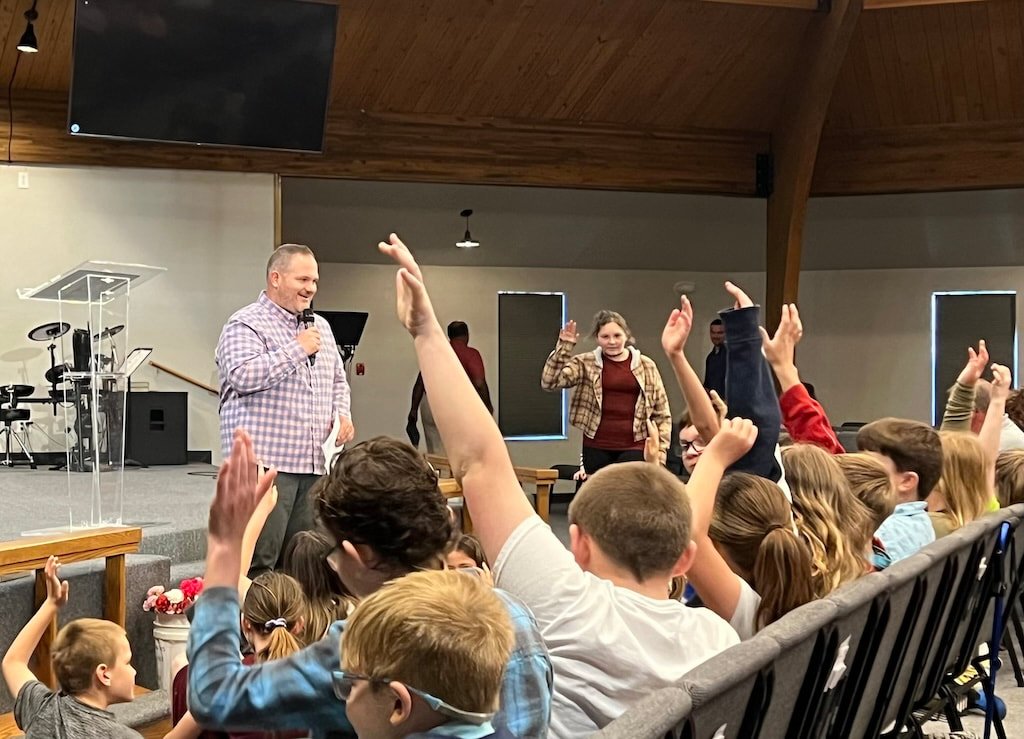 Following the service, I met briefly with Pastor Andy and the local board of administration (LBA). This has been an exciting year of ministry at Lifeway with 14 baptisms and a record attendance of 346 for Easter Sunday. 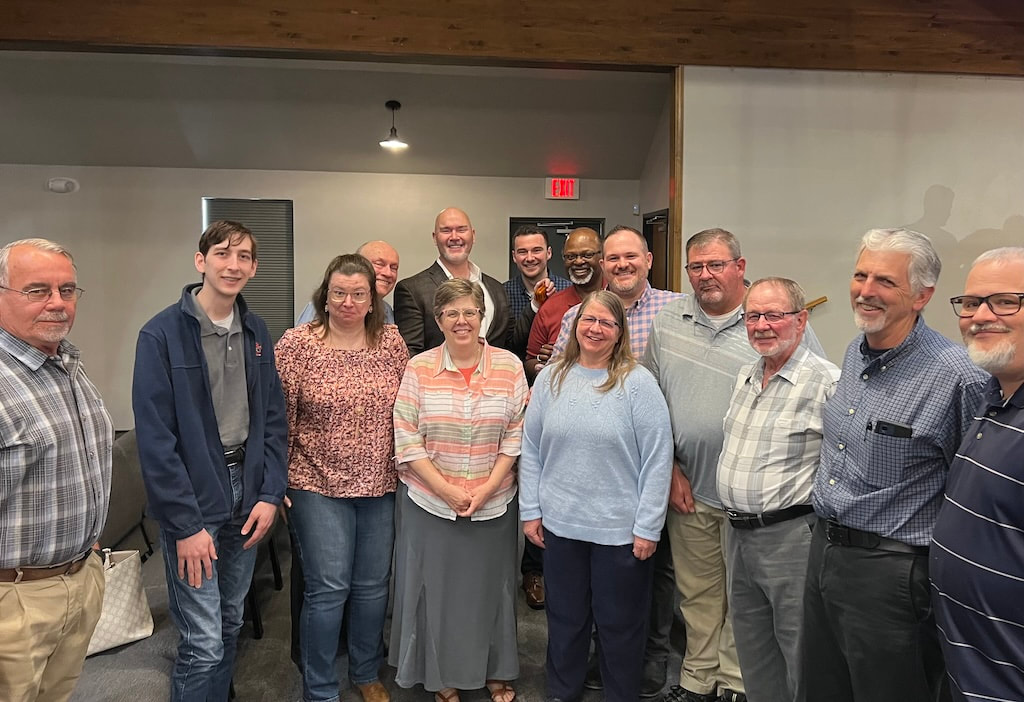 It was fun to catch up with one of my former students over lunch. Brad Holmes is off to a strong start ministering to students and young adults at Lifeway. He just returned from leading a young adult getaway to the “Ark” experience in Kentucky. 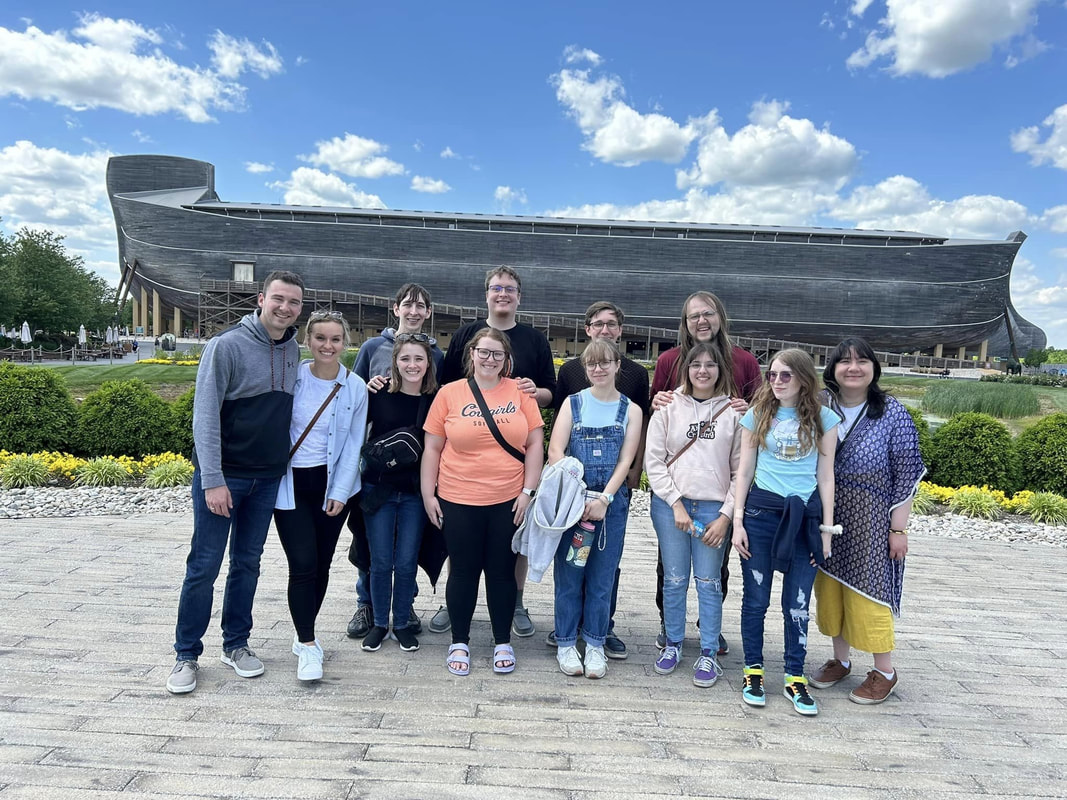 Pastor Jacob Gibson and the team at LifeSpring Church (Richmond/Fountain City) leveraged Mother’s Day as a wonderful opportunity to dedicate children. They dedicated 23 children to the Lord in the three services between their two campuses on Sunday morning. 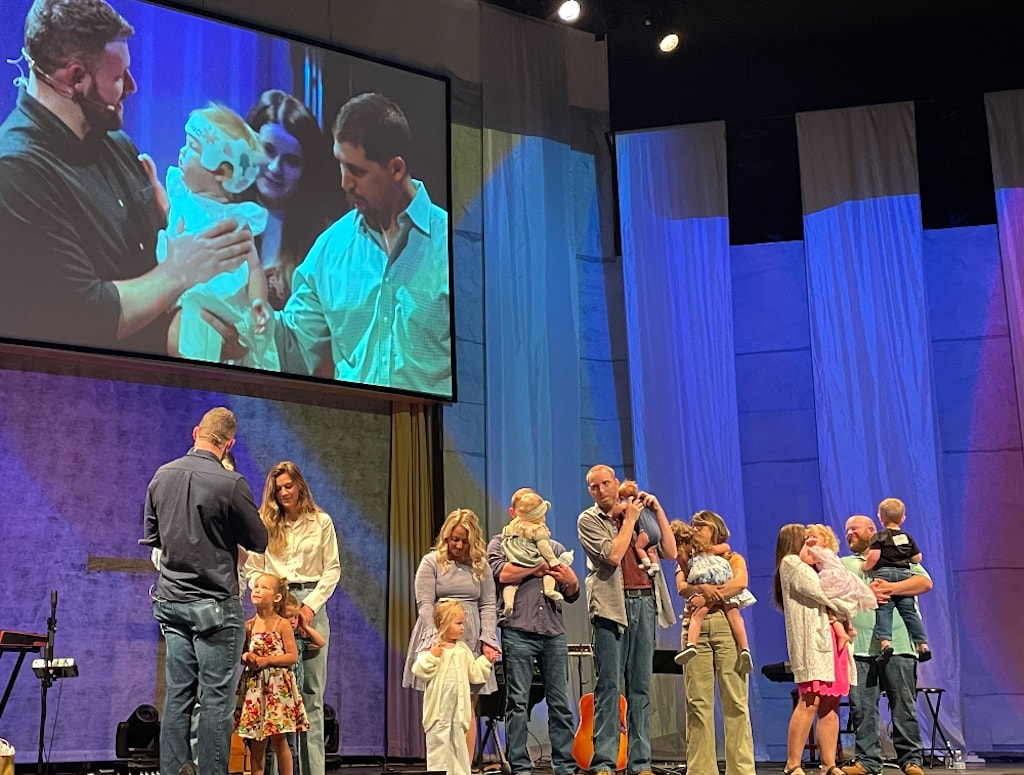 Pastor Aldean Pablo passed along the good news that he and the team at ARISE Church in Roanoke were delighted to welcome 104 in worship for Mother’s Day (including 10 first-time guests). They were even more excited to celebrate another baptism for a new believer! 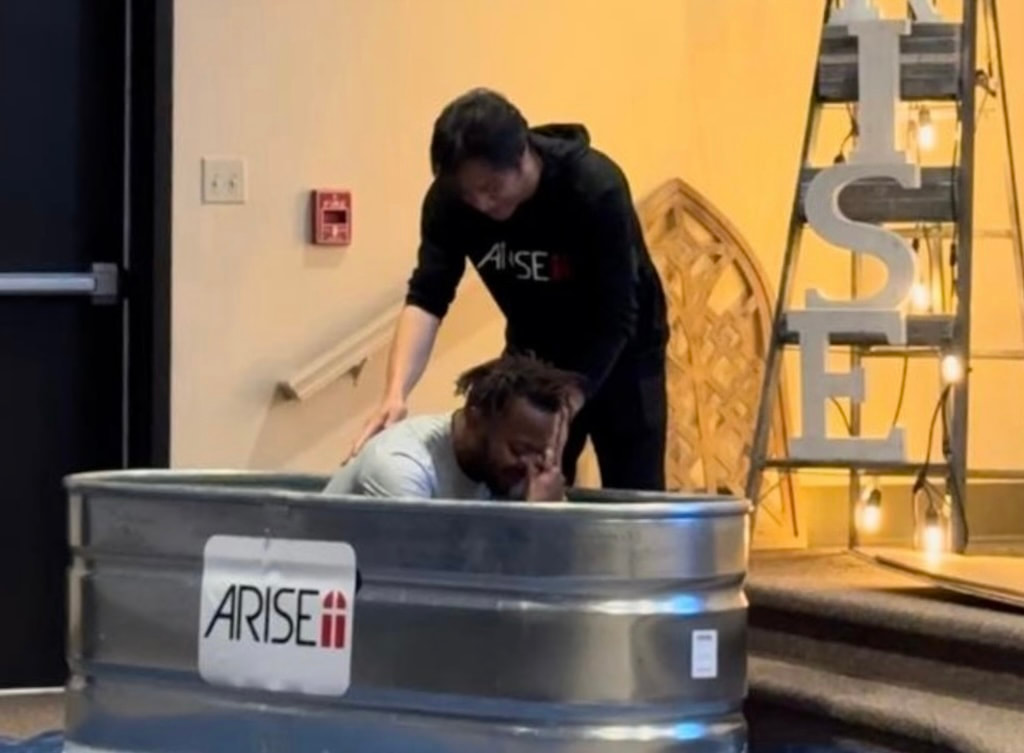 Pastor Sam Maddox and the team at Albion Wesleyan Church also celebrated Mother’s Day with another baptism. This was the second week in a row that they baptized a new believer who came to Christ as a result of their neighborhood “block party” outreach last summer. 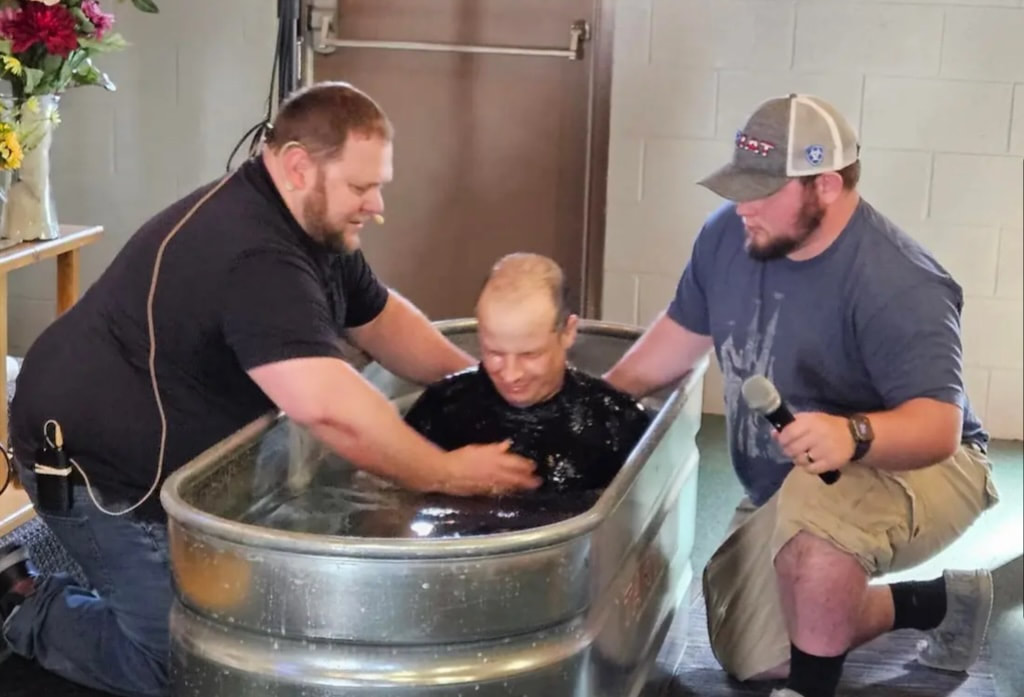 Last week included coaching conversations with Rev. Mark Wooten (New Castle Memorial), Rev. Ron Forsythe (Lancaster), Rev. Shane Wilson (Columbia City New Hope), Rev. Thomas Beck (Larwill), Rev. Sam Maddox (Albion), and Rev. Lyle Breeding (Bluffton Sonlight). So many encouraging stories are being written in our churches. I can’t wait for you to hear more of these stories at our district conference on June 29. 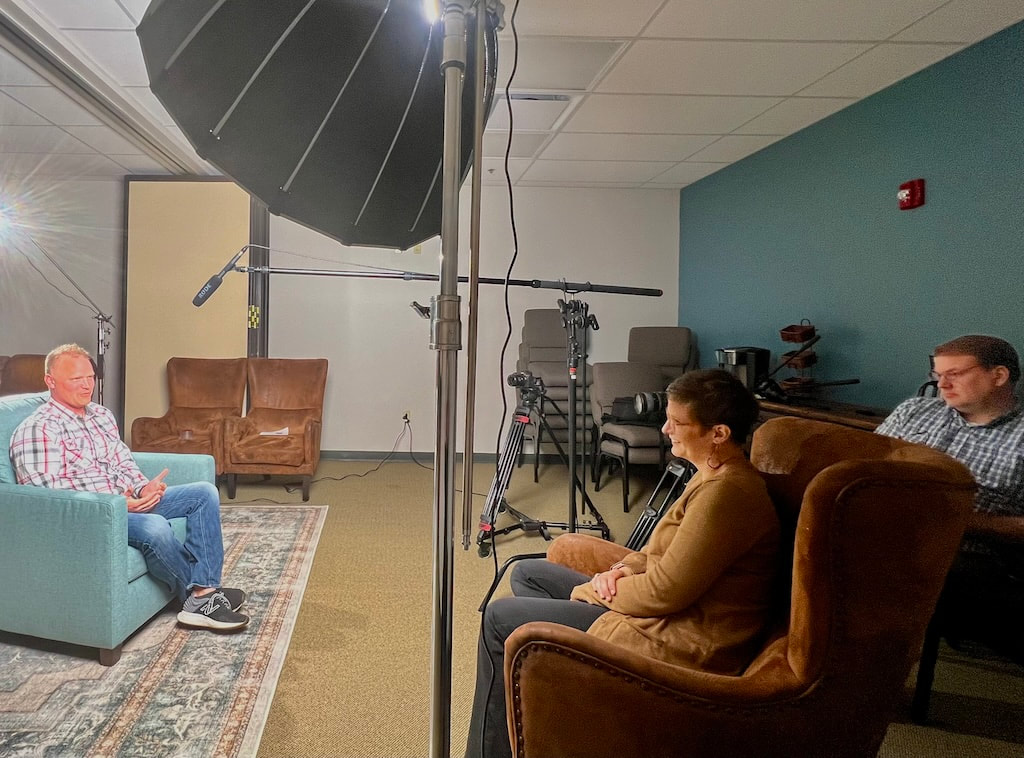 Speaking of conference, Rev. Carla Working and Rev. Chip Bos hosted several ministers in Marion on Monday. They captured video testimonials of how God had called these people into ministry. This video will be shared at the district conference and then will be a resource for pastors to share with people in their congregations who are exploring God’s call. Saturday morning, I had the privilege of joining Rev. David Cox and the LBA at Laketon Wesleyan Church for Pastor David’s last official meeting as chair. I joined the team in congratulating Pastor David on his 10 years of impactful ministry. Rev. Cox will complete his call on May 31 and then he and Suzanne will be retiring in Florida. The LBA is making progress in its pastoral search process. Pray for God’s direction in this transition. 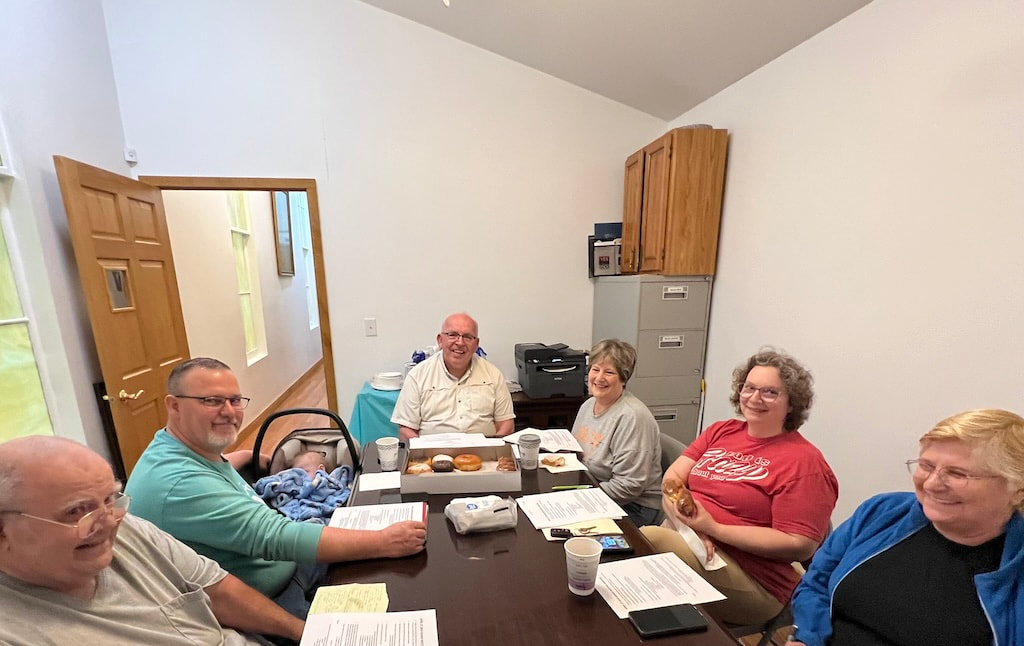 My final coaching conversation of the week was over lunch on Saturday in Fort Wayne with Rev. Mike and Hannah Henry. Pastor Mike is another one of our faithful bi-vocational pastors serving the community in EMS. The congregation has been working on their vision, mission, and ministry strategy. That process included a name change from Level 13 Church to become Inspire Church. After lunch, I toured the rebranded and updated facility with Pastor Mike. 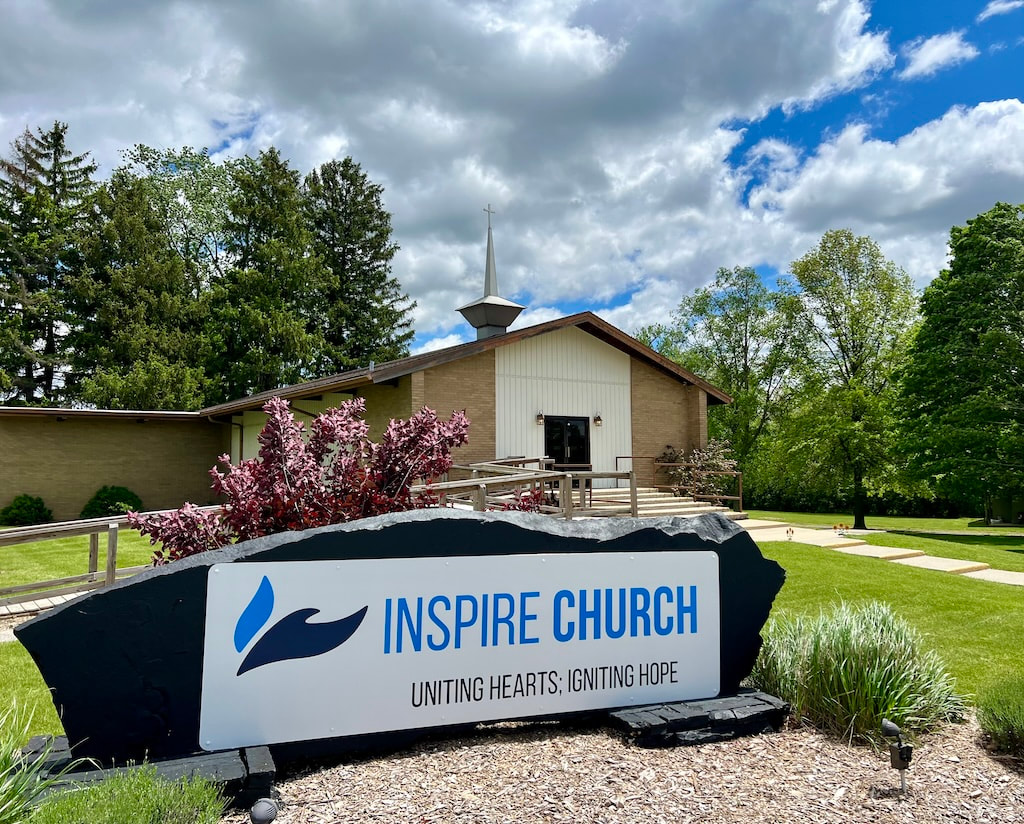 Keep those praise reports coming in. Last week’s team update was released before I received the photo from Tipton Trinity Wesleyan Church where Pastor Johnnie Blair and the team celebrated another baptism. Praise God for lives being #MadeNew! 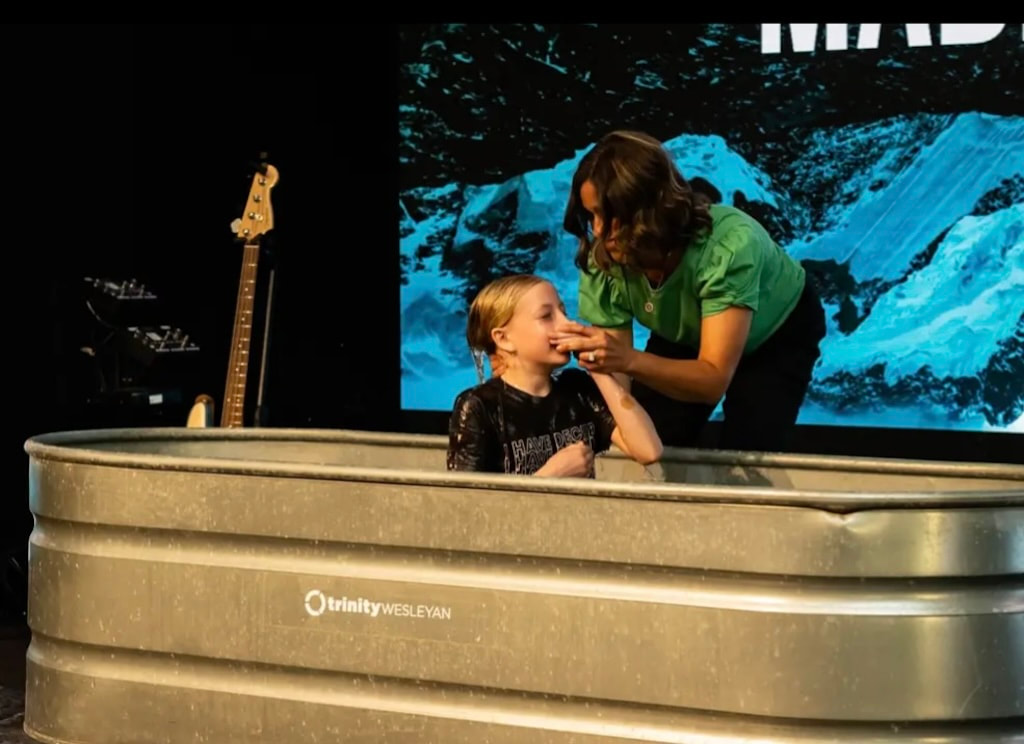 Fairmount Camp, Inc. is getting ready for another busy season of camping. For more information or to register, visit the camp’s website: https://www.fairmountcamp.org 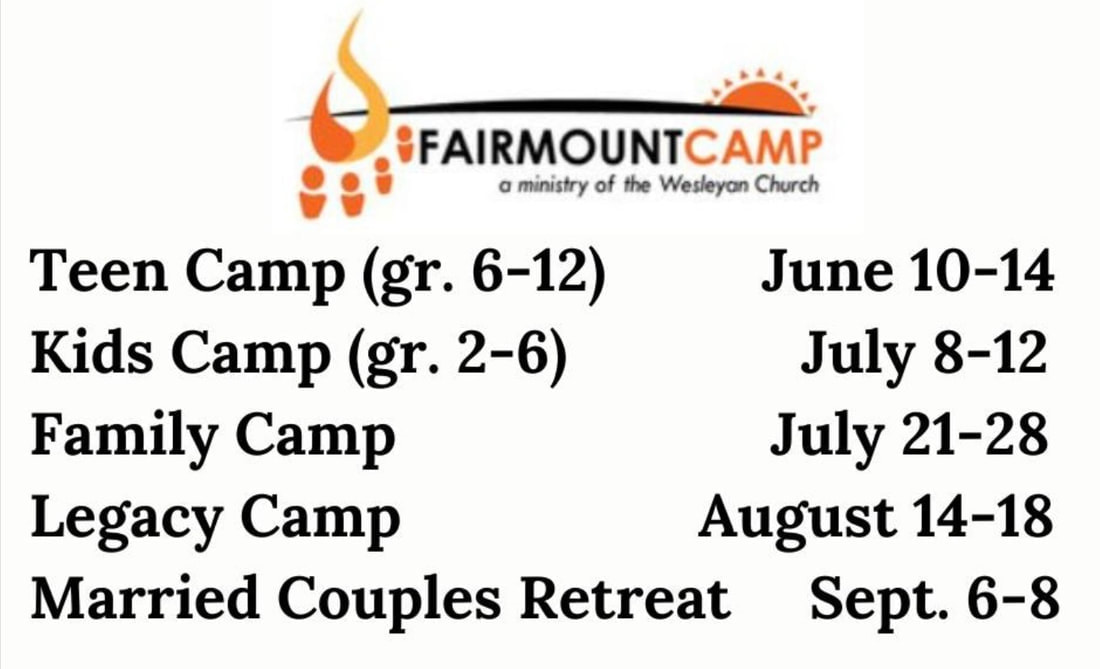 We can’t wait to see all of our ministers and lay delegates gathering for the Crossroads District Conference on June 29 at Lakeview Wesleyan Church in Marion. We are “CALLED!” Thank you for making a difference in the cause that counts for eternity! Your servant in Christ, Mark Gorveatte Crossroads District Superintendent Sunday, May 5, Dr. Sherry and I joined Dr. Mark Rennaker and his team at Southdowns Wesleyan Church in Kokomo for the morning worship service. Dr. Rennaker has served Southdowns since 1993 making him one of our five longest-tenured pastors in one congregation. In addition to caring for his congregation, Dr. Rennaker also provides leadership in his role as Chair of the Division of Leadership and Followership Studies at Indiana Wesleyan University. 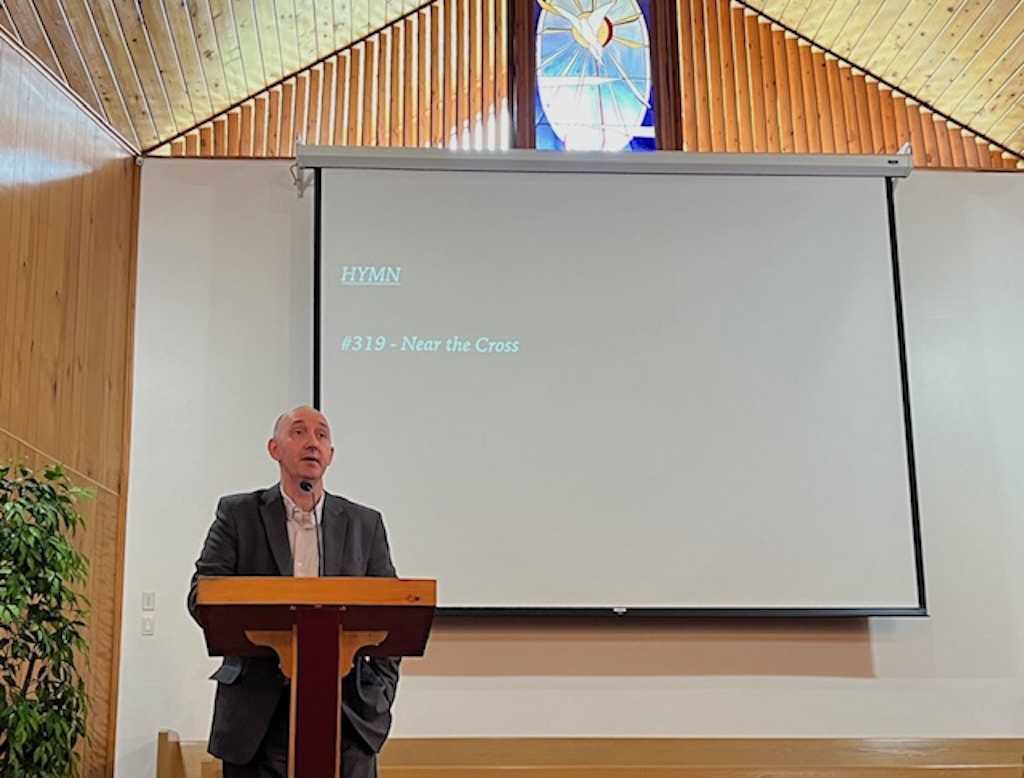 Following the worship service, I connected with the LBA (Local Board of Administration) and then we hosted the Rennakers for lunch. Many of you may know this but pastors in The Wesleyan Church have been blessed and resourced by Dr. Rennaker’s point leadership with the Thrive Financial Initiative, funded by the Lilly Endowment. Sunday afternoon, I met with leaders at Hope Wesleyan Church in Fowler (northwest of Lafayette). Rev. Judy Hatt has faithfully served this congregation since 2017. During the past year, Rev. Hatt’s husband, John, passed away after a long battle with cancer. Pastor Judy’s family in Ohio has invited her to relocate there so I met with the team at Fowler Hope to receive their recommendation for the coming year. Mr. Harold Holdeman, who has been assisting Rev. Hatt, has agreed to accept the appointment as “Lay Supply Pastor” for this conference year. 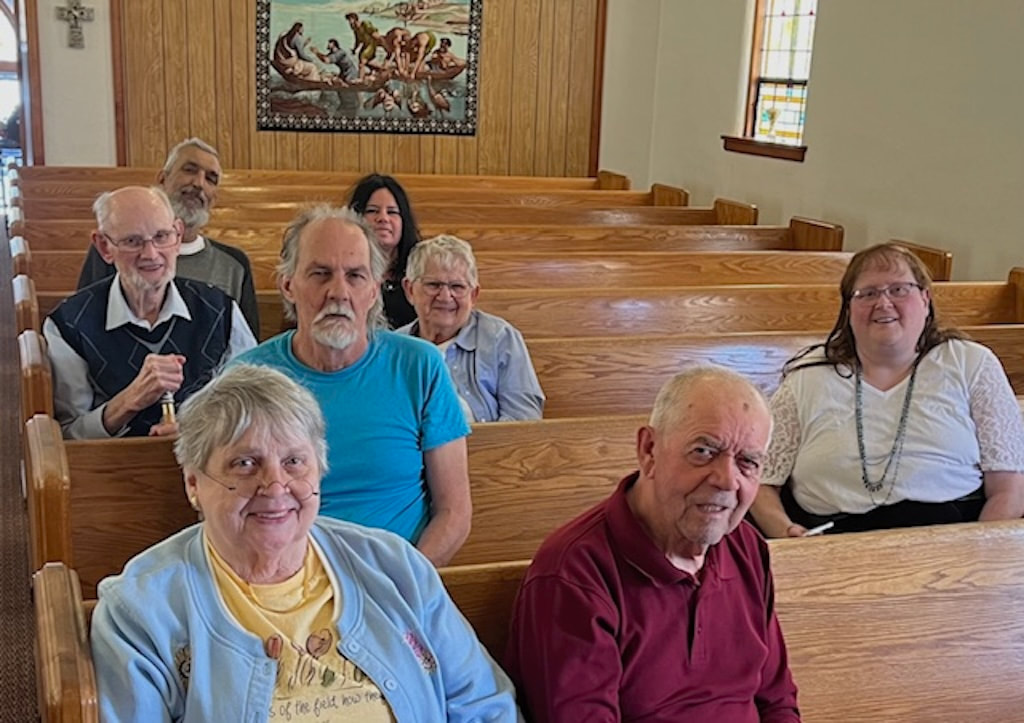 Monday afternoon, April 29, Dr. Keith Drury’s memorial service was held at College Wesleyan Church with Dr. Steve DeNeff officiating. Dr. Drury had an incredible lifetime of service to The Wesleyan Church and Indiana Wesleyan University. His greatest legacy, by his design, was his beautiful family of whom he was rightfully proud. A close second to that legacy is the impact he had on so many of us who benefited personally from his coaching. Our prayers are extended to Dr. Sharon Drury and the entire Drury family. 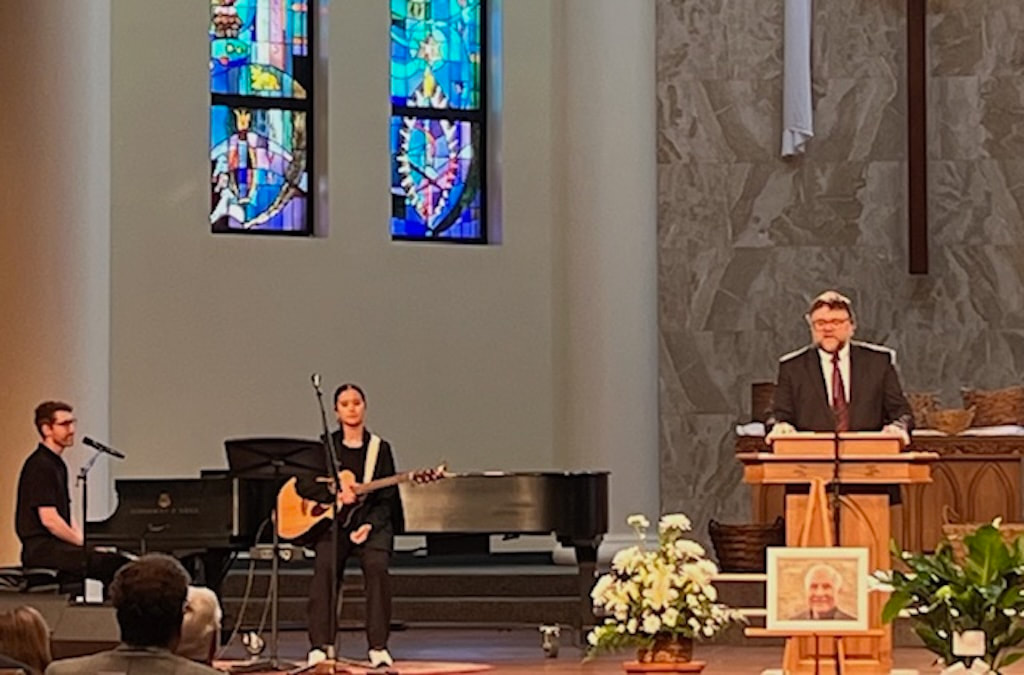 Tuesday, I was on the road for coaching conversations with Rev. Johnnie Blair (Tipton Trinity) and Rev. Scott McDermid (Sheridan Six Points). It was also fun to connect with Rev. Grace Lopez and the other FLAMA Coordinators who had gathered at Wesleyan headquarters from across the country for two days of training. We are grateful for Rev. Lopez and the others who serve our growing cadre of Hispanic ministerial students! 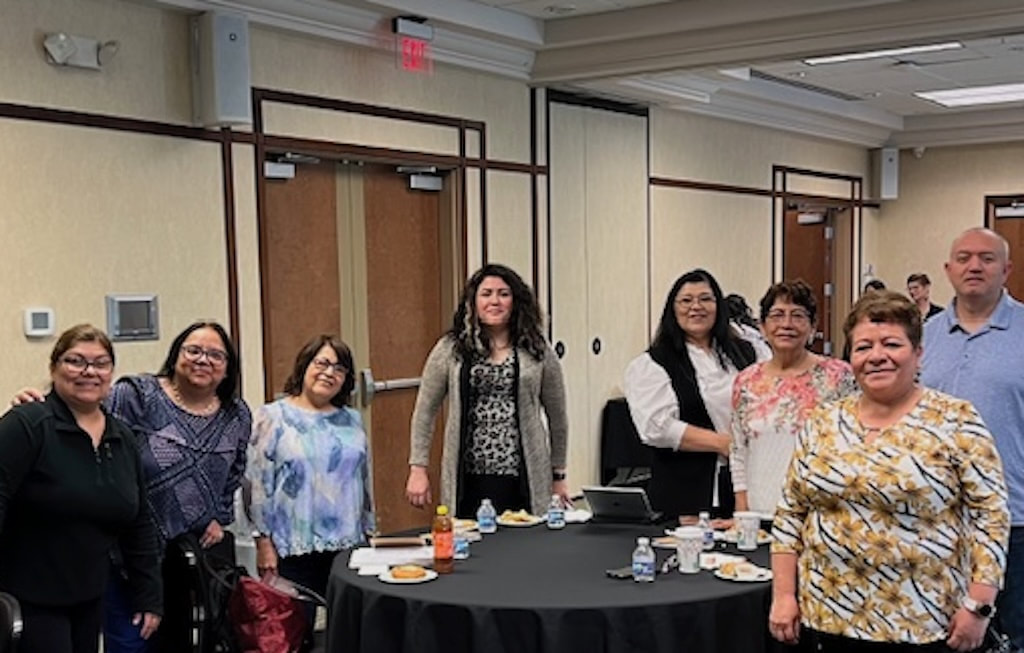 Wednesday found me in the northern tier of our district for coaching conversations with Rev. Matthew Ohime (Hamlet Davis), Rev. Ben Jones (Beaver Creek), and with Pastor Terry & Lennaire Vaughn (The Bridge Urban Church). My final stop of the day was in Albion where I connected with Rev. Sam (Sr.) and Rev. Becky Maddox. The coaching conversations on Thursday were with Rev. Kyle Horton (Fort Wayne Three Rivers) and with Rev. Paul Van Cise (Bryant). Friday morning, I met with Dr. Tim Kellerman, Nazarene DS for Northeast Indiana. We’ve enjoyed out times connecting for breakfast and prayer over the past year. 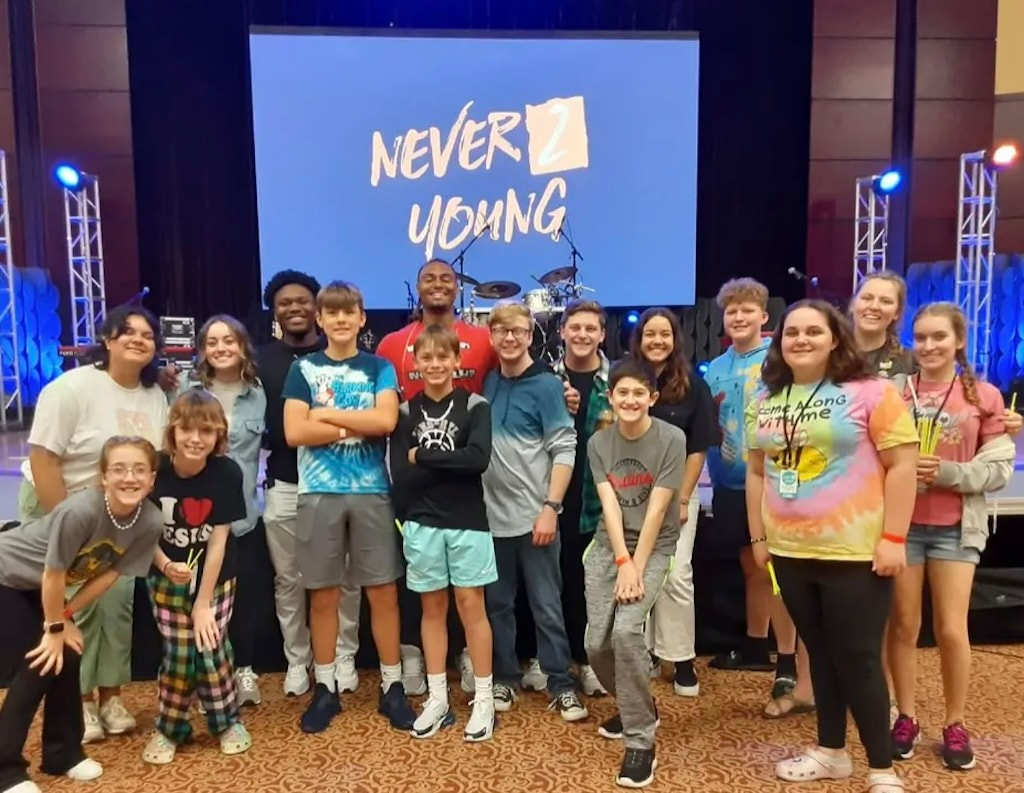 Friday evening, I dropped in at IWU to thank our pastors and volunteers who brought approximately 200 middle school students for the “Never2Young” conference. Special thanks to Charlie Alcock and his team for hosting 800+ students for this inspiring event. Saturday morning, I joined Rev. Theo Griffin and the team at Brown’s Chapel Wesleyan Church in Greenfield as they welcomed Dr. Chris Williams to lead them in a customized “Next Level” consultation. It was encouraging to hear how God has been at work in their church this past year and to see them leaning into God’s best for their future ministry. 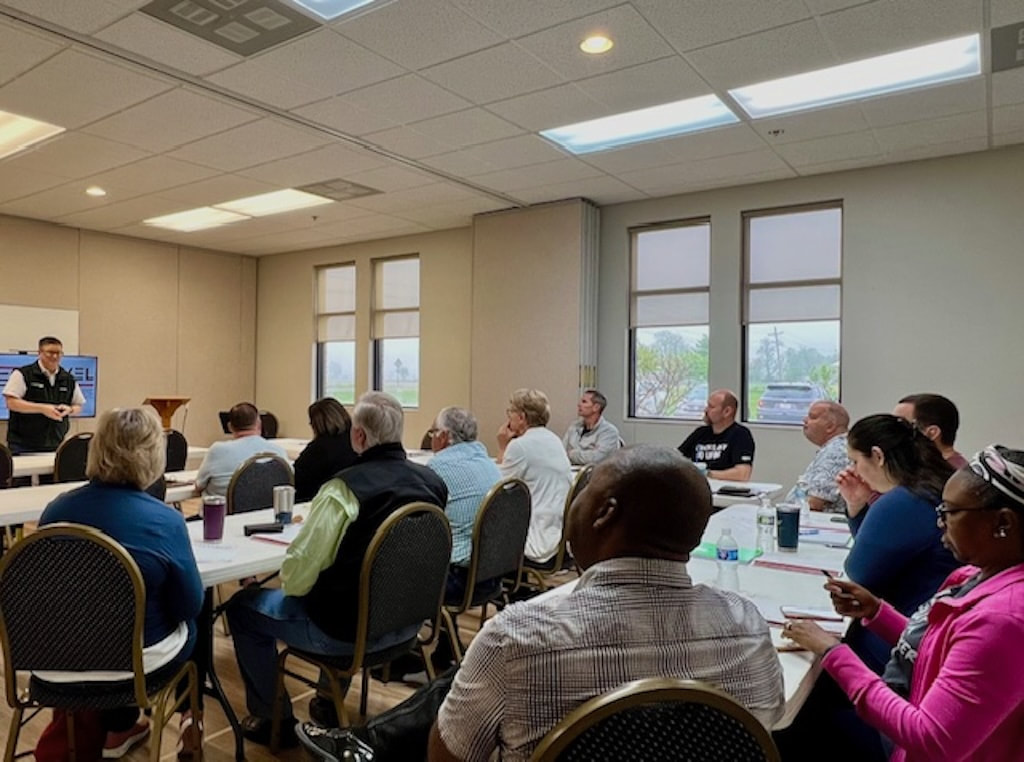 Saturday afternoon, I met with a couple who are prayerfully considering planting in downtown Indianapolis. This mission field is ripe for harvest. Pray that the Lord of Harvest will send out workers into His field! We love sharing encouraging news with the Crossroads District team so keep those baptism photos and stories coming in! This week, we are rejoicing with Pastor Mike Hewitt and the team at Rising Hope Church in Muncie as they celebrated another baptism along with a reaffirmation of baptism. Braxton, the young man who was baptized, was one of Pastor Mike’s contacts through his billiard “trick shots” outreach on Facebook two years ago. 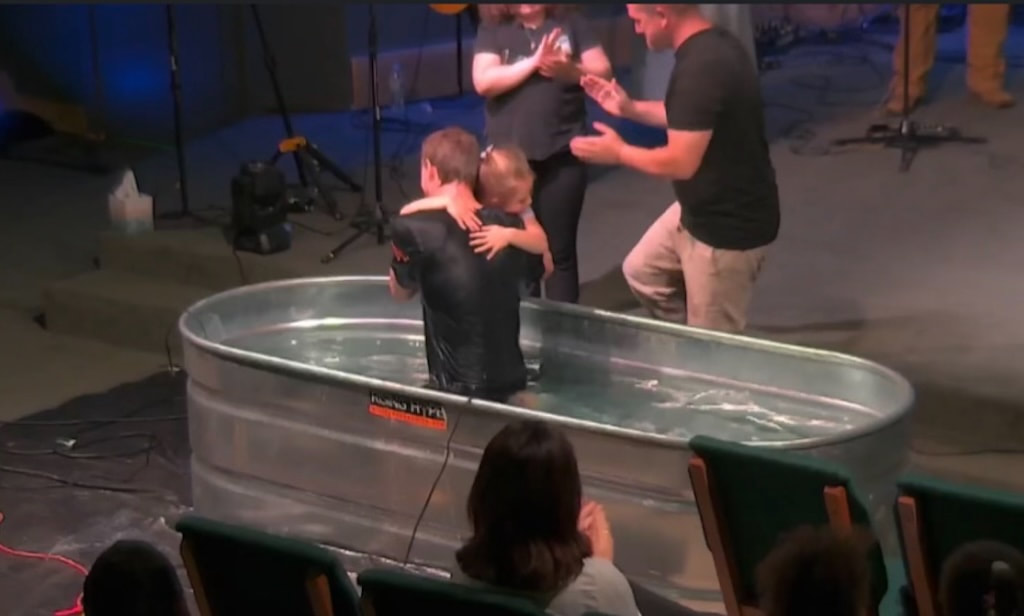 Fairmount Camp, Inc. (an affiliate corporation of the Crossroads District) has released the schedule for this summer’s camping season. They have some exciting ministries planned for campers in the Crossroads District and beyond. Special thanks to Fairmount Camp Board Chair Rev. Jeff Luedtke and Mrs. Krista Brown, the new Executive Director, for their commitment to keeping the camp focused on its historic mission and exciting future. For more information or to register, visit the camp’s website: https://www.fairmountcamp.org 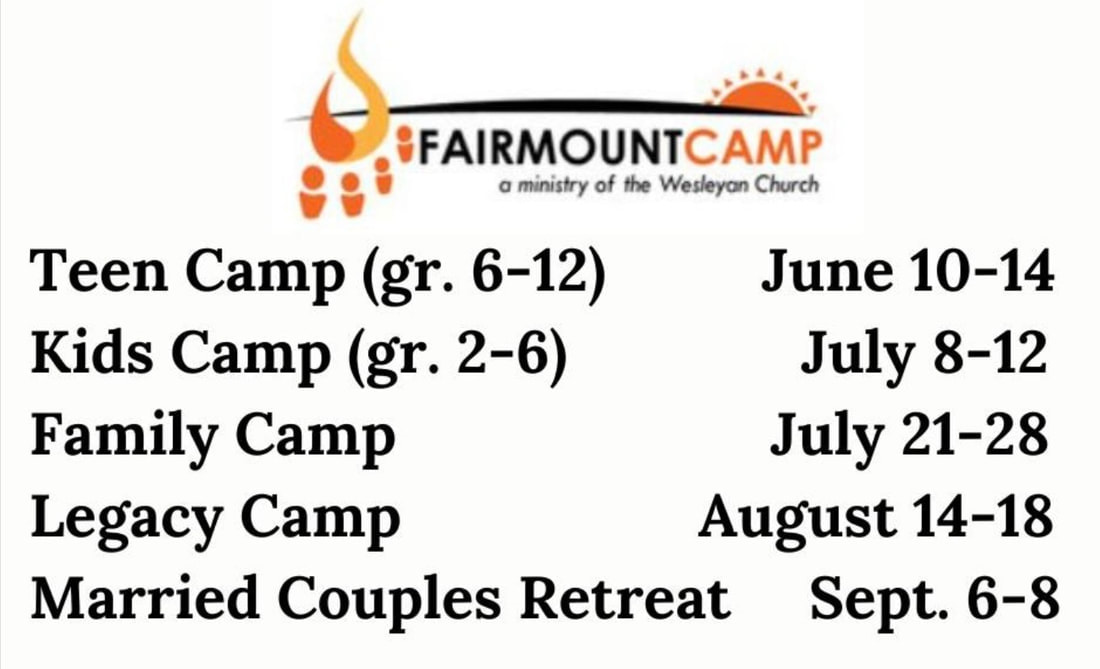 We can’t wait to see all of our ministers and lay delegaters gathering for the Crossroads District Conference on June 29 at Lakeview Wesleyan Church in Marion. We are “CALLED!” Thank you for making a difference in the cause that counts for eternity! Your servant in Christ, Mark Gorveatte Crossroads District Superintendent P.S. If you ever hear someone say that Christianity is incompatible with science, you might refer to this graphic from Wes Huff: 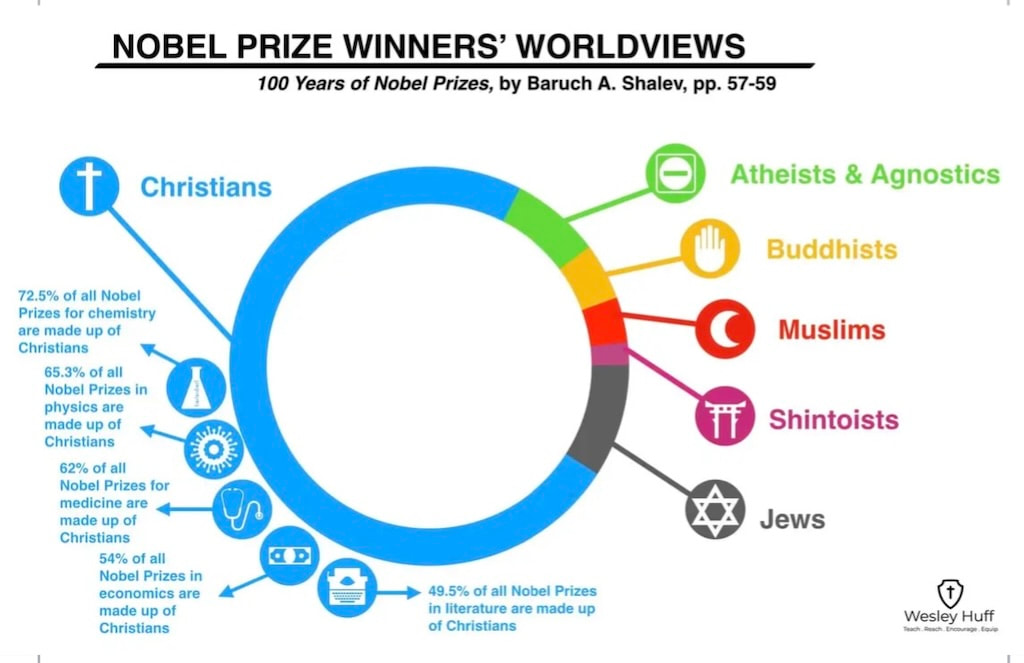 |
Archives
July 2024
|
 RSS Feed
|
|
|