
|
Sunday morning, April 28, the congregation at The Branch Wesleyan Church (former Schuyler Avenue) hosted a special celebration recognizing 100 years of ministry in Lafayette. Dr. Tom Kinnan, serving as interim pastor, welcomed a full house of members and friends. Indiana Wesleyan University was well represented by “Rejoice” leading the worship. 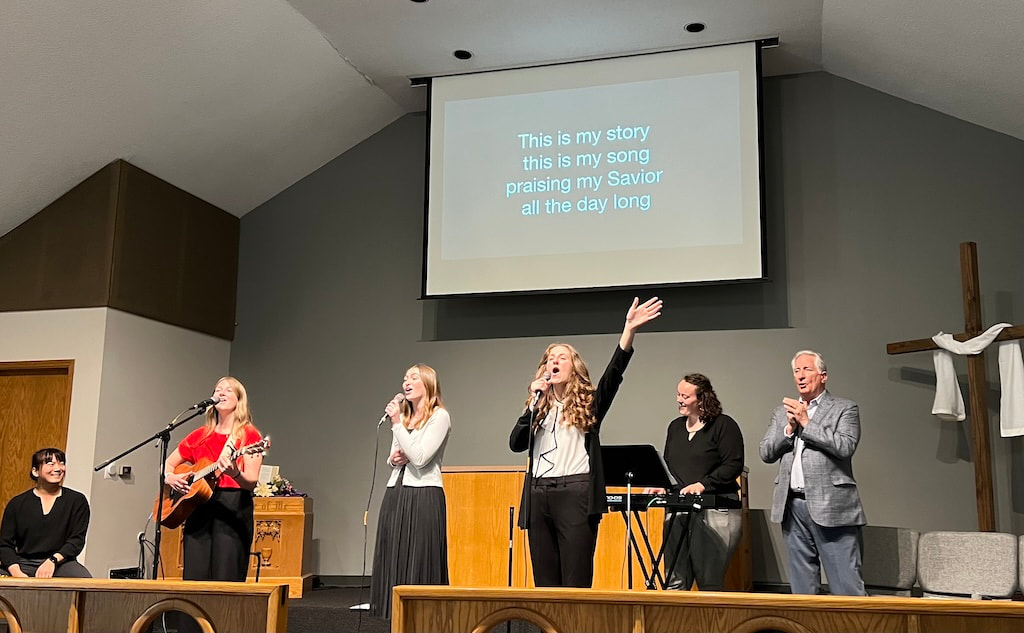 Special greetings came from Dr. Ed Hoover and Mrs. Ruth Landis. Both were PKs (preacher’s kids) when their father pastored the church. Ruth later returned with her husband to pastor the church and Dr. Hoover returned to serve as an active lay leader for many years. Former pastors Logan Patriquin (now a PhD student at the University of Notre Dame) and Justin Neier (pastoring in Jackson, Michigan) shared memories. Rev. Tom Schmidt, another former pastor and now retired district superintendent, brought a challenging message from God’s Word. I was honored to represent our Crossroads District team and celebrate the wonderful turnaround at the church this year, including the six baptisms earlier this month. 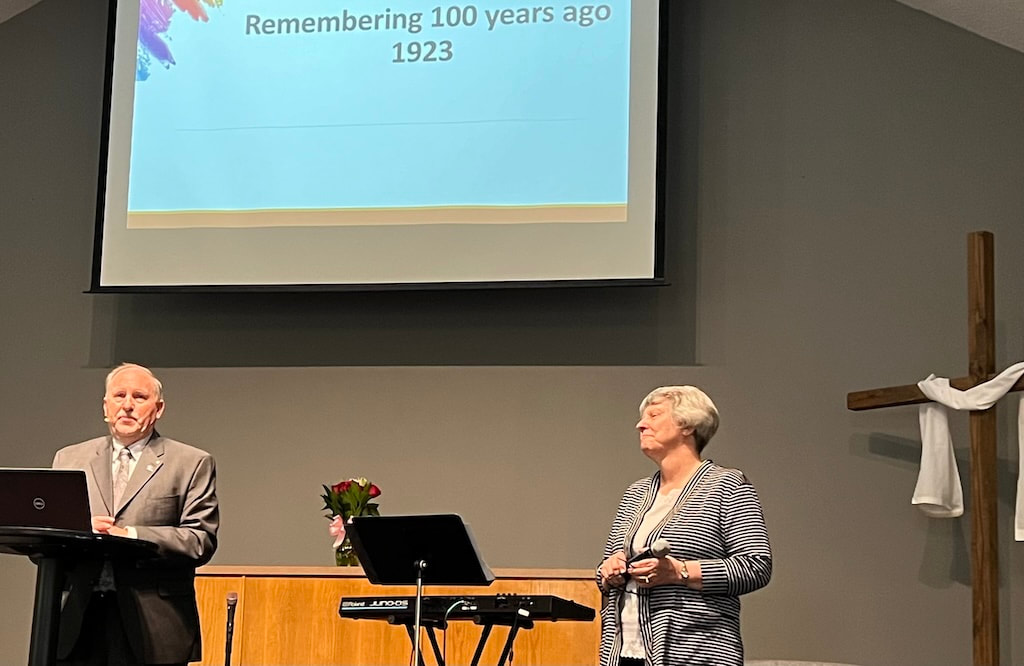 April 28 was the last Sunday of our conference year so year-end reporting and annual local church conferences (LCC) are in full swing. Sunday evening, Hartford City Wesleyan Church had their LCC and I was encouraged to hear the reports of how God is on the move. Pastor Josh Fox received unanimous support to continue in his extended call to the church. Ministry reports were received, budgets were reviewed, and leaders were elected. Your LCC may not be the highlight of your calendar but it is important to pause at least once a year to reflect on what God has already done and to cast vision for the coming year. 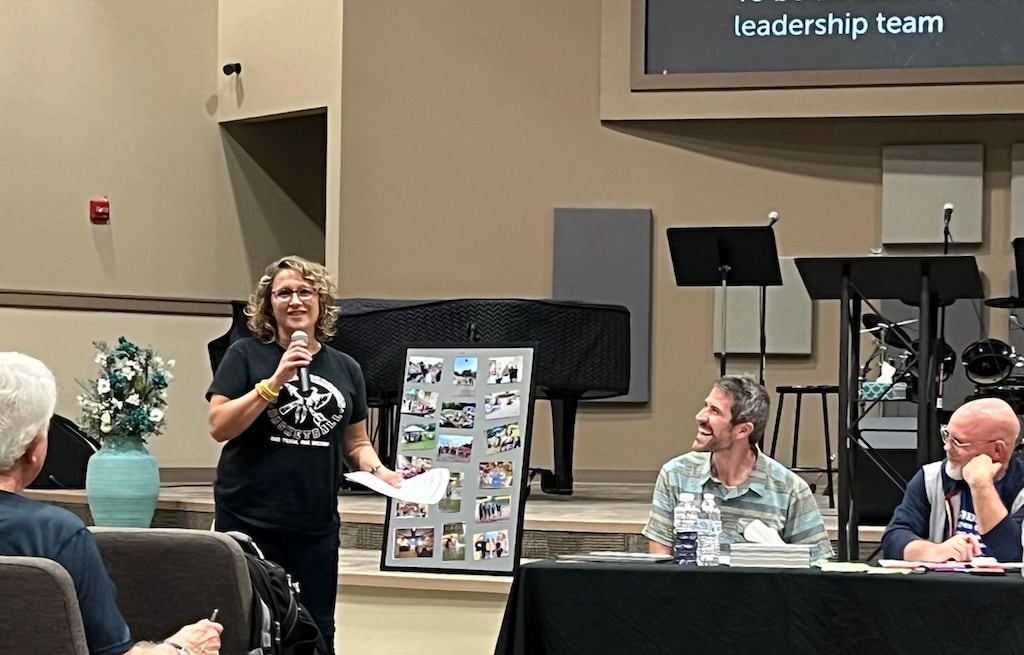 Sherry and I were invited to join Pastor Matthew Trexler and his leadership team at Church of the Highlands in Birmingham, Alabama for the annual ARC (Association of Related Churches) conference. The speakers and musicians were anointed. Dino Rizzo, Executive Director of ARC, took the occasion to recognize Dr. Craig Dunn, CEO of Wesleyan Investment Foundation, for their partnership with the church planting and building initiatives of ARC churches. Next year’s ARC conference will be at Milestone Church in Dallas. 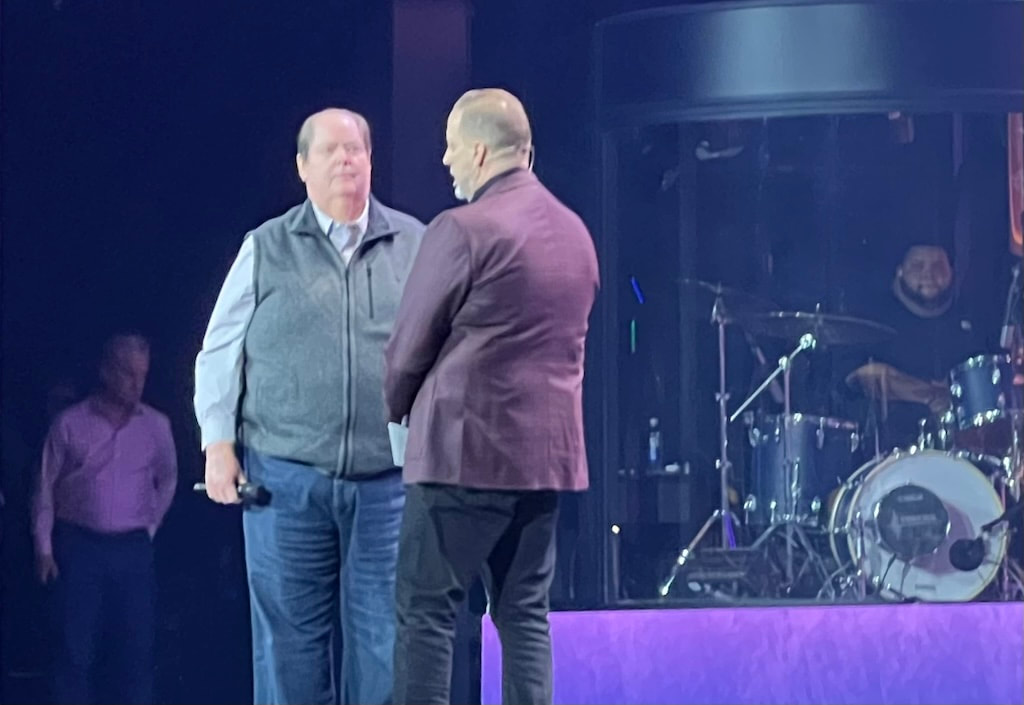 I was back in time to join Rev. Carla Working and the DBMD as they met at Brookhaven Wesleyan Church on Friday for their annual interviews with ministerial students and ordination candidates. One of the highlights was the orientation that Rev. Working led for the newest students joining the ministerial preparation process. Special thanks to every member of the DBMD as they go above and beyond to serve our ministerial students! (Next DBMD will be held Nov. 1) 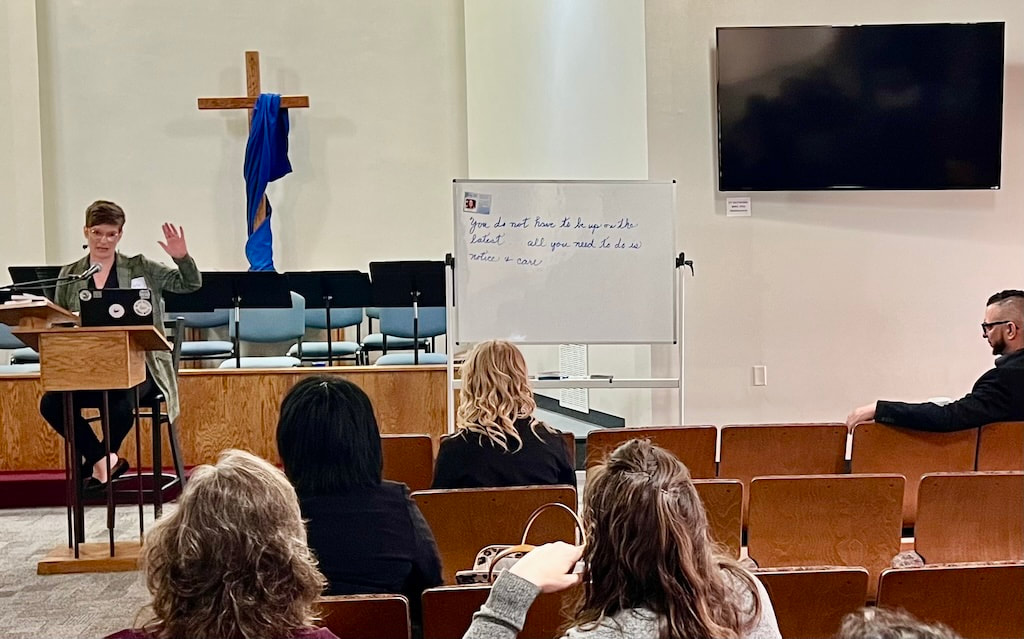 Coaching conversations were on the agenda for Saturday. My first stop was with Rev. John Miller in Speedway. Pastor John and Heather (and their three beautiful children) have been leading our church planting project called Way City Church since 2018. They survived the pandemic and are rebuilding their team as they continue to minister in this growing community. My last stop of the day was with Rev. Randy Yaryan in Winchester. Winchester was the community most impacted by the recent tornados. Several district churches took special offerings and your giving enabled this smaller congregation to have a big impact in serving their neighbors in need. Lord willing, the Winchester church will celebrate 100 years of ministry in 2027 with Rev. Yaryan serving as pastor for 30 of those years! 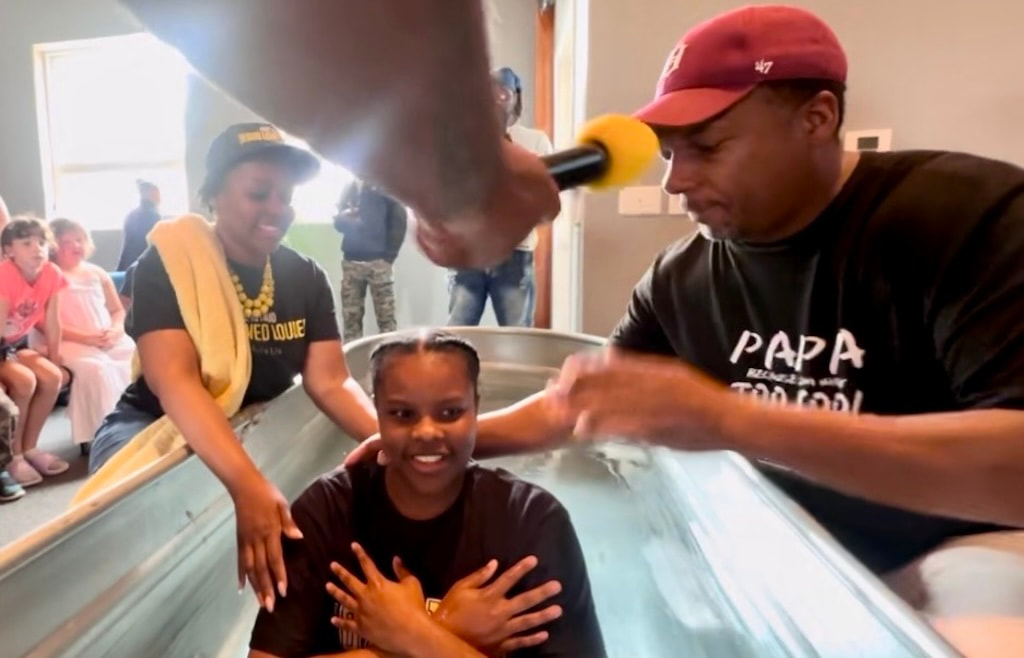 What happens when your church decides to “Bless the BLOC”? Pastor Terry and Lennaire Vaughn have been leading The Bridge Urban Church in focused ministry to their immediate neighborhood with powerful results. Yesterday, they baptized 14 new believers with at least 2 more commitments for next Sunday. Praise the Lord! Rev. Chris Taylor and the team at Plymouth Wesleyan Church are rejoicing in the way that God has been moving in their congregation. Yesterday, their pastoral team baptized 13 new believers in their morning services! 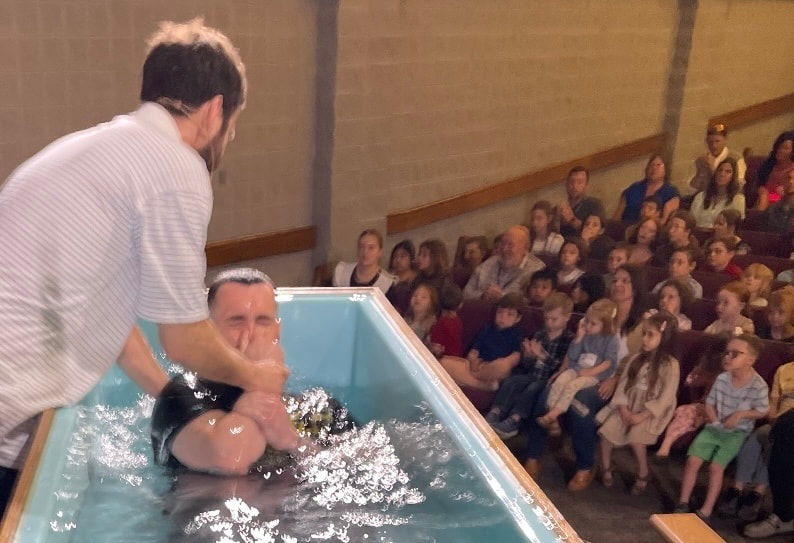 Circle of Hope Network, based in the former Noblesville Lakeview Wesleyan Church, is led by Dr. Richard and Rev. Carol Schenck. Yesterday, the Schenck’s had the joy of baptizing six new believers in the morning service. The oldest of the six baptized was 74 and the youngest was their own granddaughter.  Rey de Gloria, Circle of Hope’s Hispanic congregation led by Rev. Nicolas and Rev. Adriana Zarate, celebrated two more baptisms that afternoon. That is a combined total of 15 baptisms in the network this conference year. That’s remarkable for a network that averaged 96 in worship attendance last year. God is on the move! 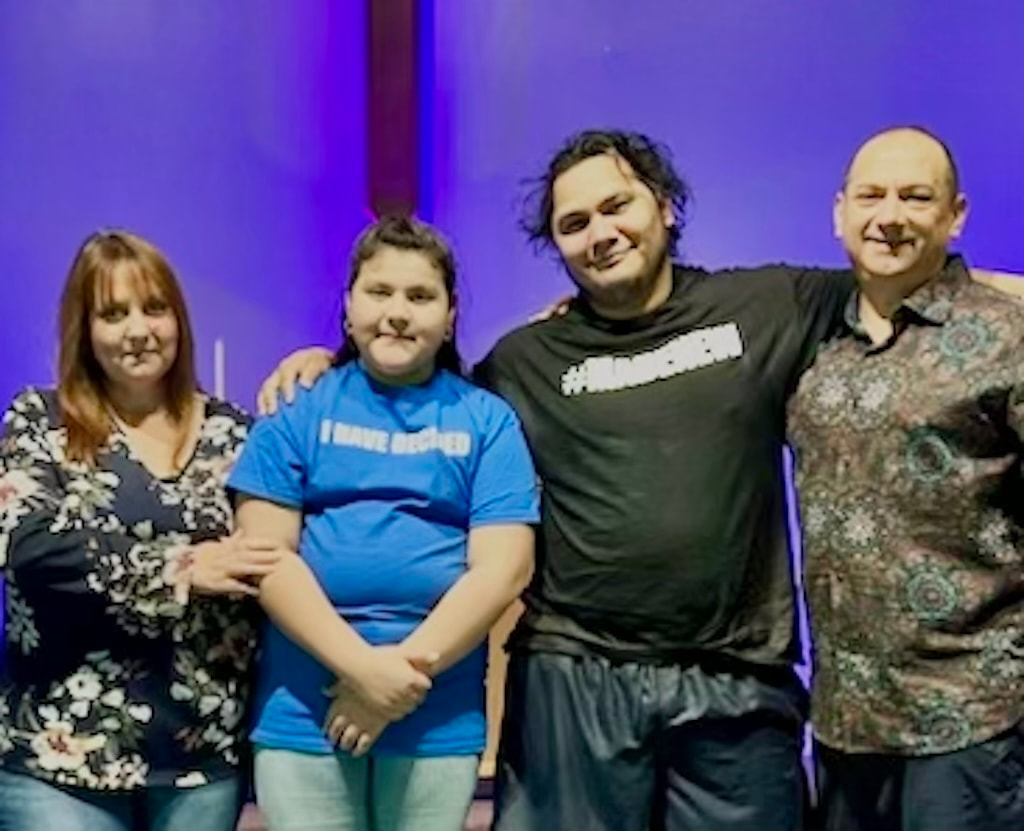 Rev. Mark Atkinson has served effectively as the transition pastor at Elwood Central Wesleyan since January. Yesterday was his final Sunday and Rev. Cary Sanders will begin leading the team beginning in May. They celebrated new life again yesterday with four more baptisms! 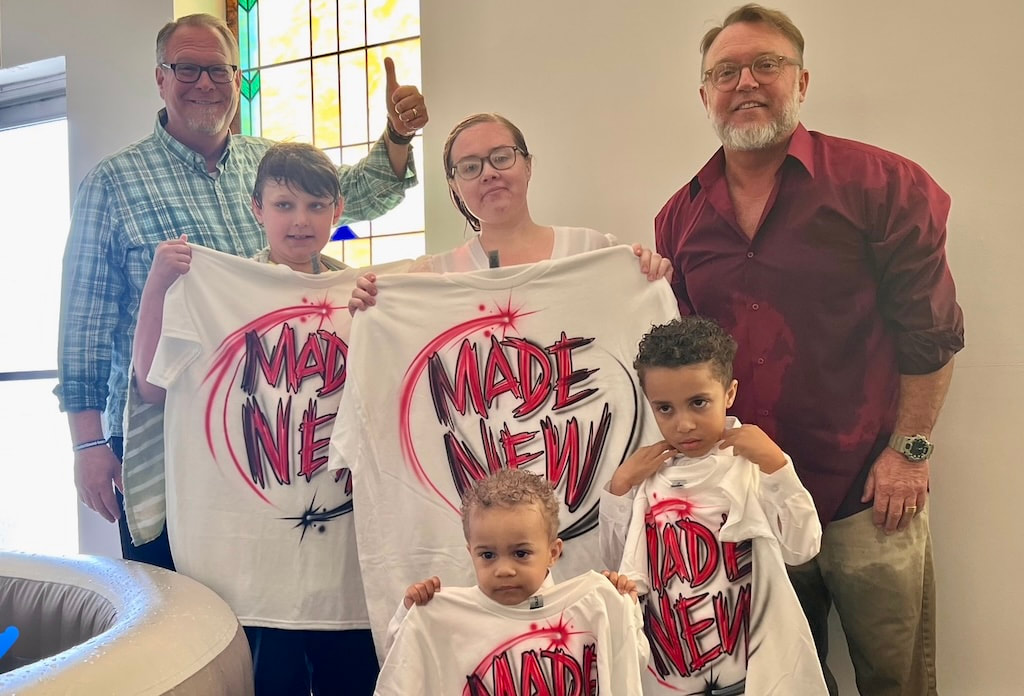 Rev. David Shafer and Rev. Scott Stamper also concluded the conference year on a high note at North Anderson Wesleyan Church with three more baptisms yesterday. After the baptism service, the church family celebrated God’s goodness with a fellowship meal. 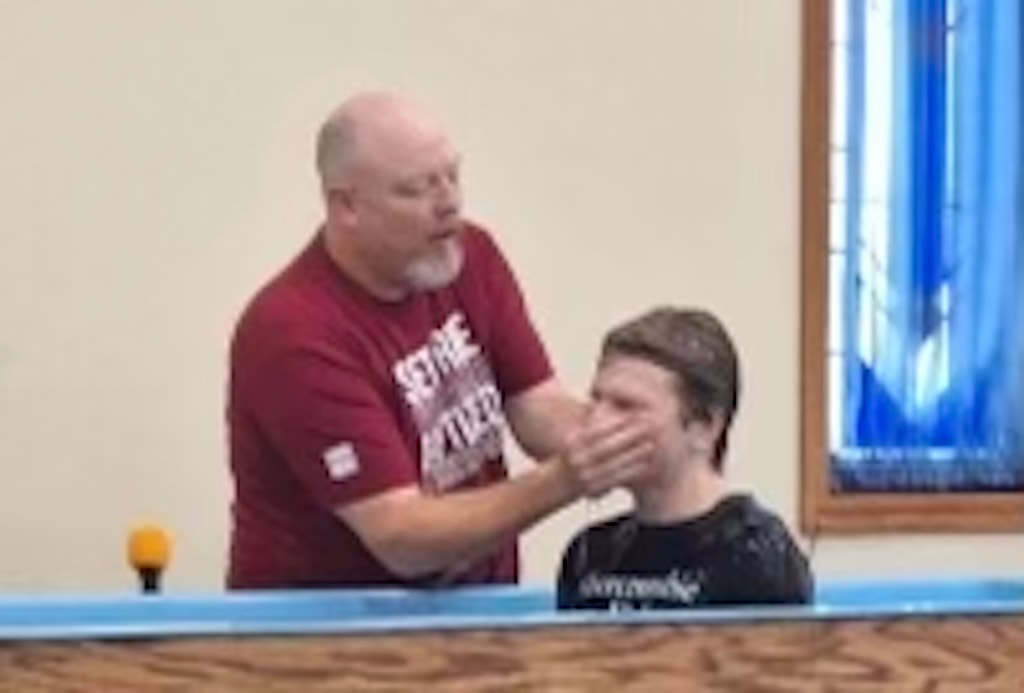 Pastor Sam Maddox and the team at Albion Wesleyan Church are celebrating the testimony of a man who came to Christ last Sunday and publicly professed his faith in Christ through baptism yesterday. Praise God for lives being #MadeNew! 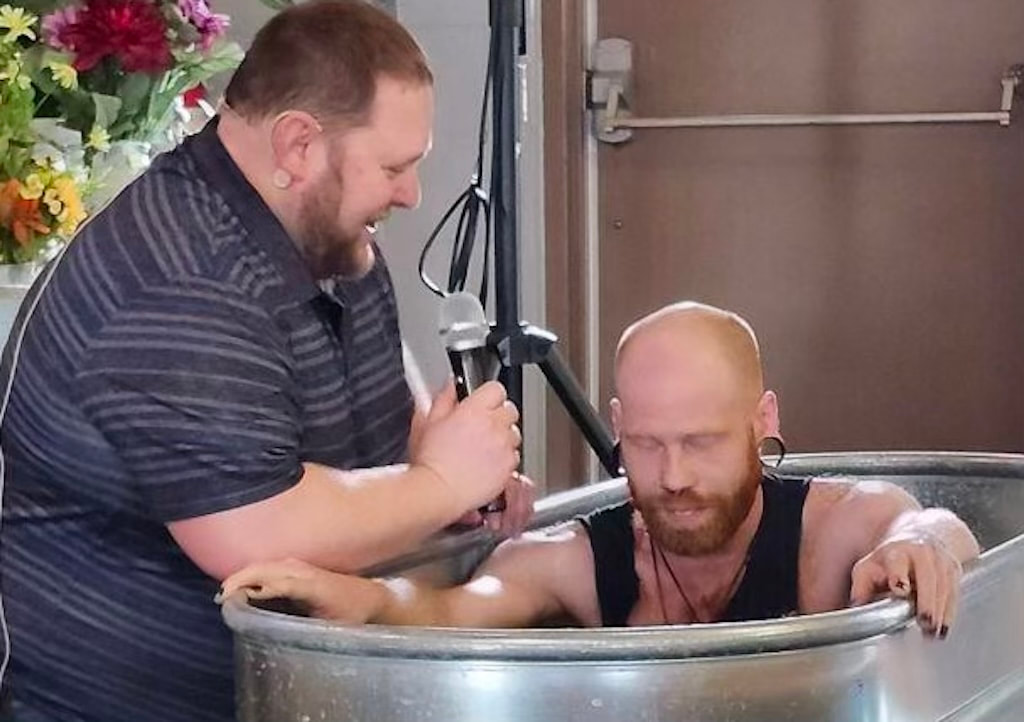 Fairmount Camp, Inc. (an affiliate corporation of the Crossroads District) has released their schedule for this year’s events. They have some exciting ministries planned for campers in the Crossroads District and beyond. Special thanks to Fairmount Camp Board Chair Rev. Jeff Luedtke and Mrs. Krista Brown, the new Executive Director, for their commitment to keeping the camp focused on its historic mission. For more information or to register, visit the camp’s website: https://www.fairmountcamp.org 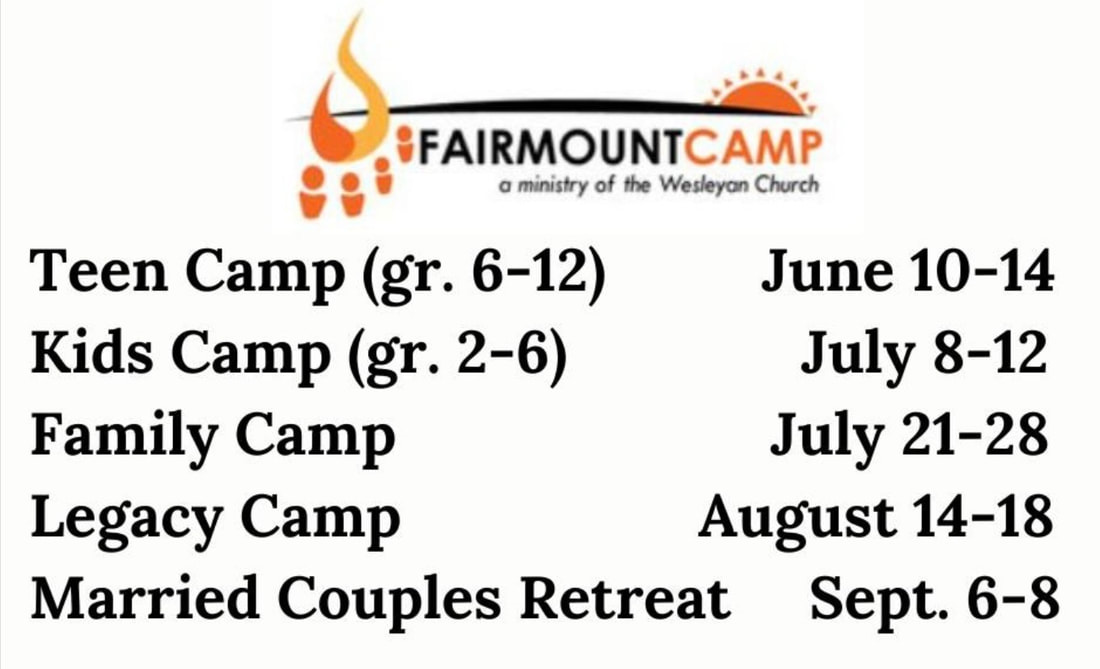 Don’t miss this exciting opportunity to bring your middle school students to Indiana Wesleyan University for Never2Young! For more information and registration, click here. 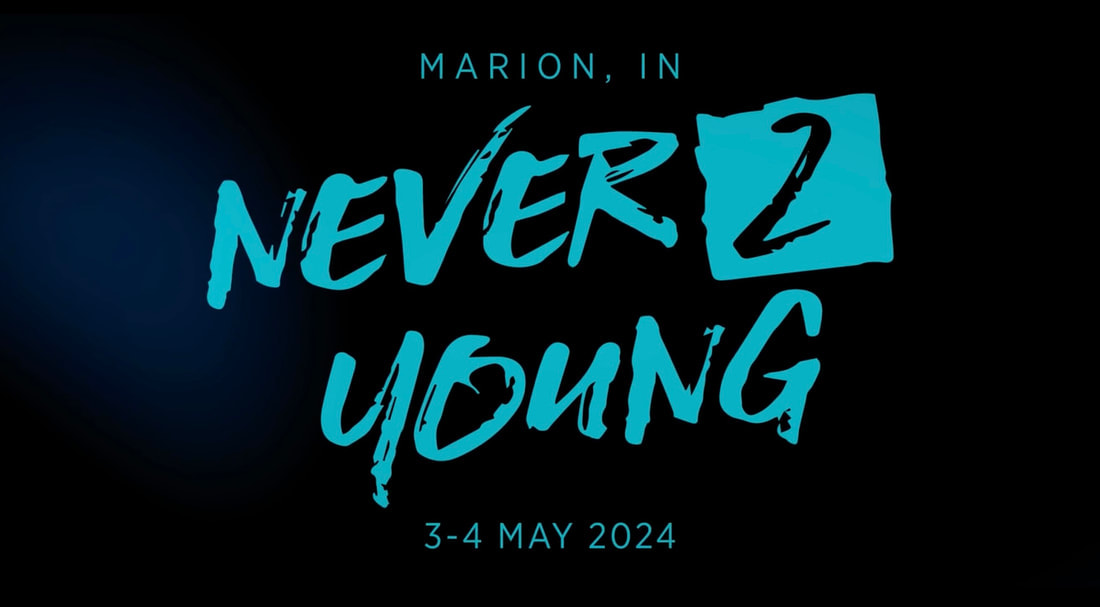 Can’t wait to see our leadership team members gathering for the Crossroads District Conference on June 29 at Lakeview Wesleyan Church in Marion. We are “CALLED!” Thank you for making a difference in the cause that counts for eternity! Your servant in Christ, Mark Gorveatte Crossroads District Superintendent P.S. Here’s a ministry assessment tool from Chad Brooks (@revchadbrooks) that could generate an insightful discussion with your staff and board members. 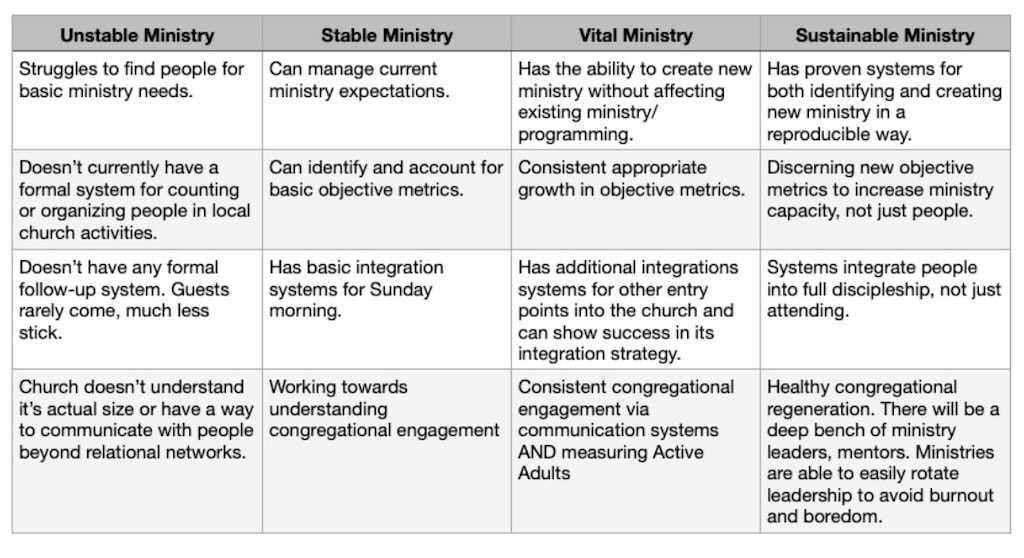 Sunday, April 21, I was able to drop in to worship with Pastor Michael Hewitt and his team at Muncie Rising Hope for their 9:00 am service. Rising Hope is leading the way in their church planting residency program. They celebrated five baptisms last weekend and Pastor Mike shared the news that others had approached him about next month’s baptism. 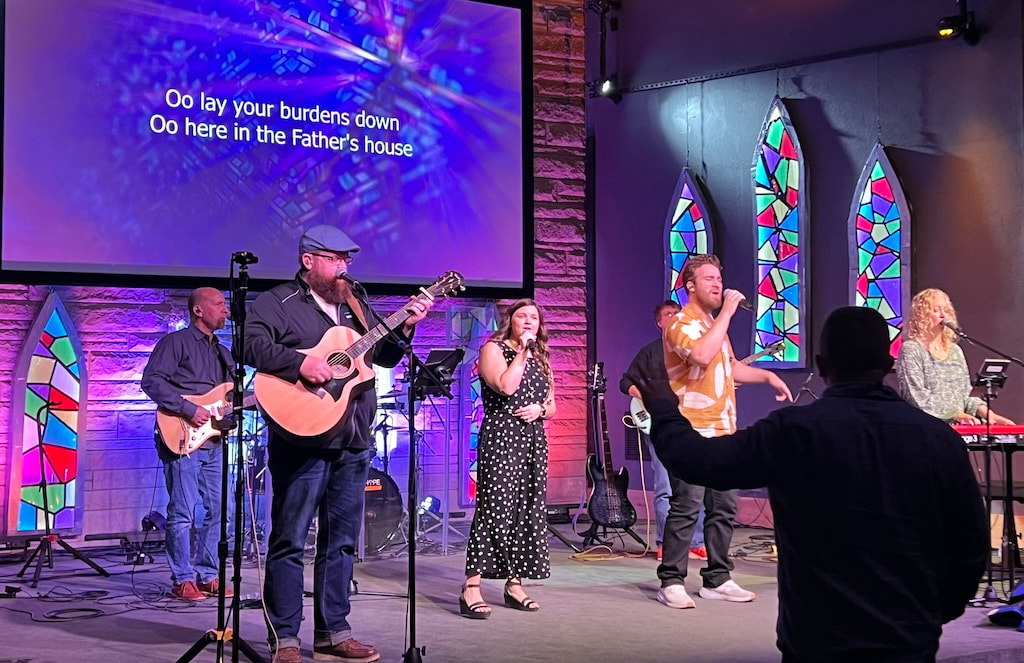 Rev. Cary Sanders preached his candidating message on Sunday morning, April 21, at Elwood Central Wesleyan Church. I was privileged to chair their Local Church Conference and am pleased to report that the church voted 98.6% to call Rev. Sanders as their new pastor. Pastor Cary accepted the call and will begin his ministry as lead pastor next month. Pastor Mark Atkinson has been a blessing to Central Wesleyan serving as interim pastor in this time of transition and Mark will continue to serve as a ministry coach in the new conference year. 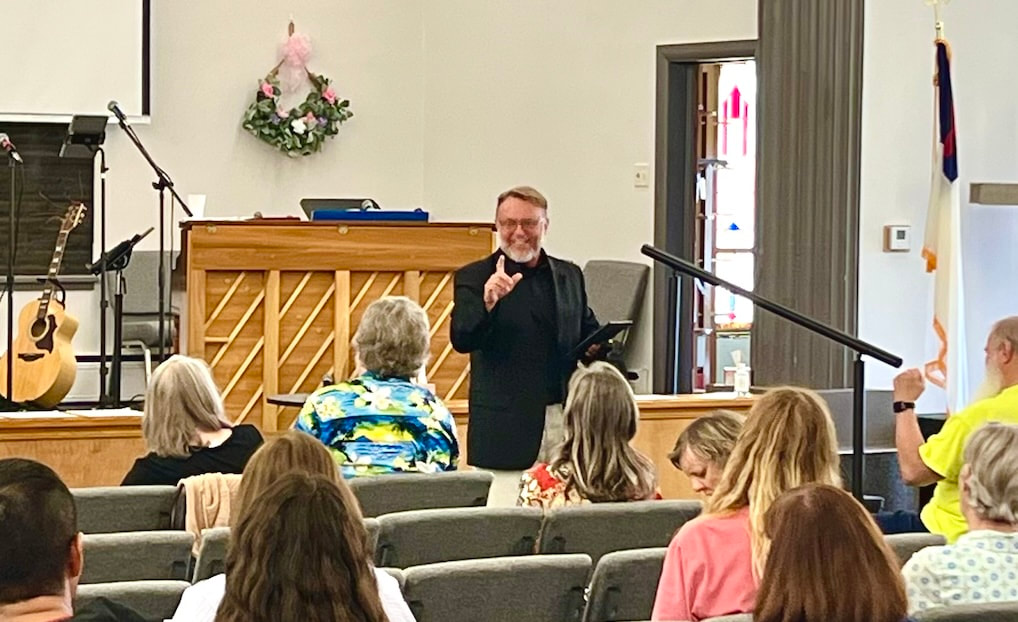 Last week’s schedule provided the full spectrum of district ministry. I was able to jump in on the leadership cohorts meeting at The River Church on Monday. Rev. Carla Working, chair of the DBMD, leads a monthly cohort for women in ministry. Carla has agreed to lead a new session of this cohort beginning in the fall. If you’d like to be included in this new session, please reach out to Rev. Working in the next few weeks so she can plan accordingly. 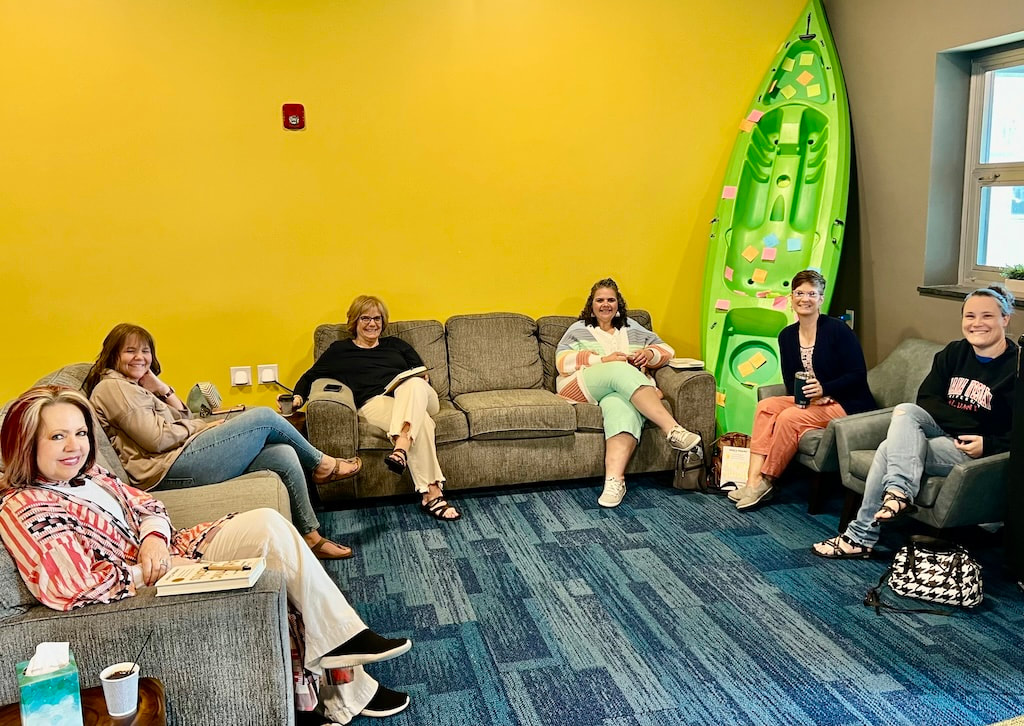 Pastor Matthew Trexler has been leading a Monday morning cohort for lead pastors and agreed to offer an afternoon session this conference year. Both groups are yielding positive results. They compiled their ministry statistics from Easter and celebrated the fact that over 7700 worshiped in the churches led by these pastors. They also reported approximately 200 professions of faith for that weekend! 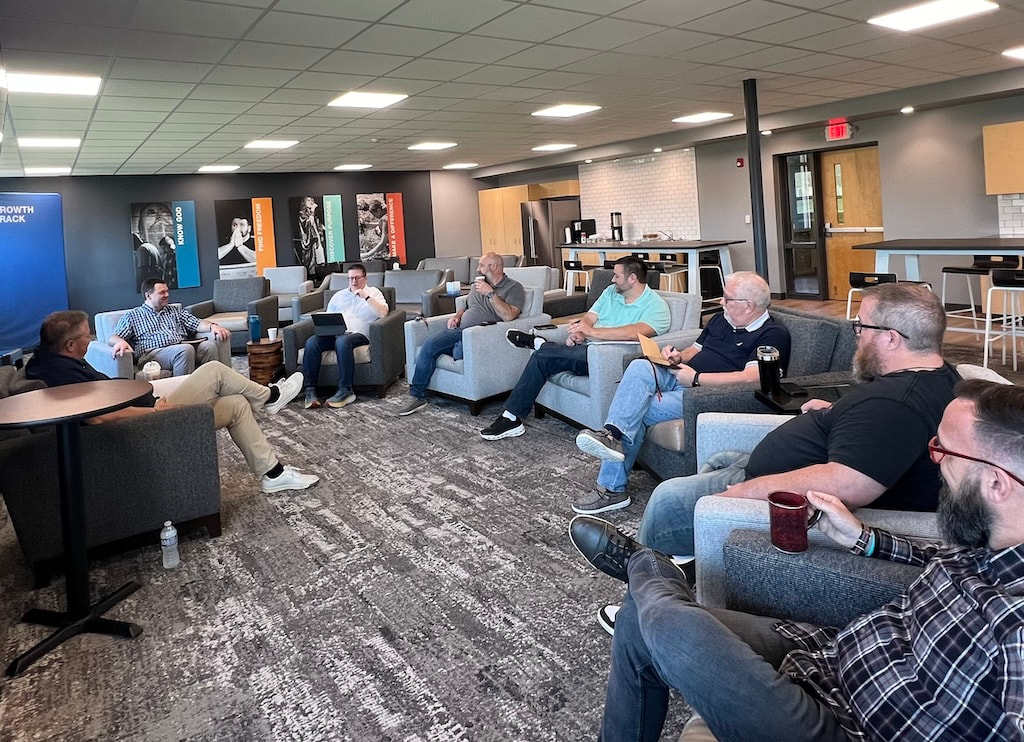 Tuesday, I was back on the road for coaching conversations with Rev. Ryan Budde (Westview Wesleyan), Rev. Rob Tippey (Wabash New Journey), and Rev. Jerry Alexander (Anderson Living Hope). I wrapped up the day meeting with the Local Board of Administration (LBA) at Sweetser Wesleyan Church. Dr. Matthew Stewart has resigned so we took the first steps in organizing the pastoral search process. 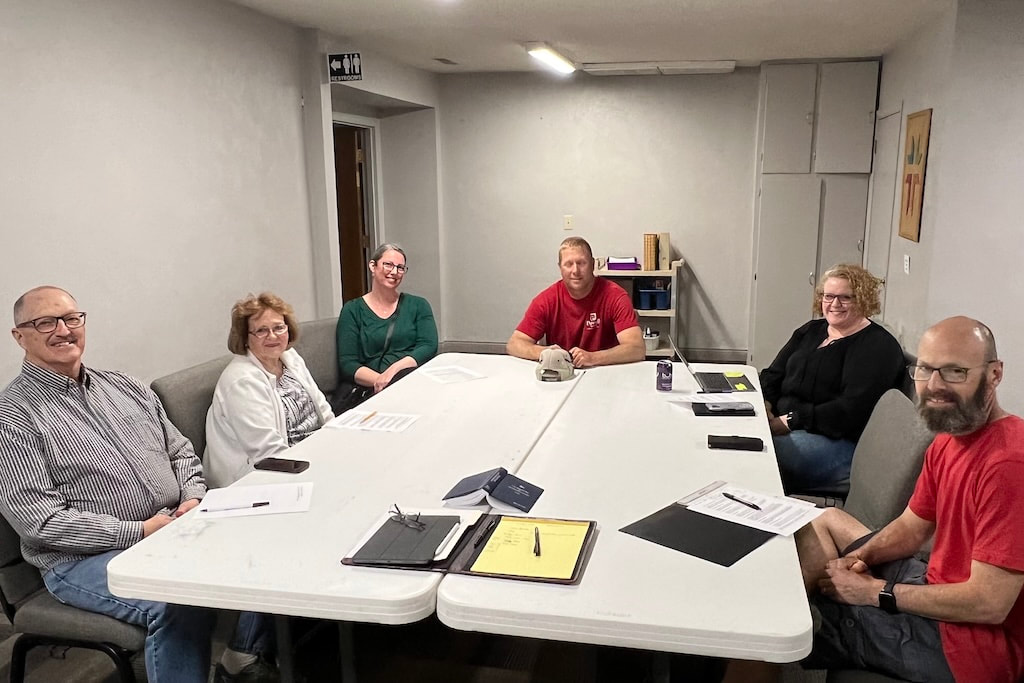 Coaching conversations on Wednesday included Rev. Josh Bowlin (Marion Chapel Pike), Rev. Duane Cragun (Marion Brinker Heights), and Rev. Claudia Ruiz (Richmond Casa Network). I love hearing how God works in each of these diverse settings when we stay focused on the Great Commission. The Crossroads District Board of Administration (DBA) met at Wesleyan HQ in Fishers on Thursday. We received a special presentation from Rev. Jeff Luedtke, chair of Fairmount Camp. The DBA approved the recommendation from Fairmount Camp to be reclassified as an affiliate corporation (previously a subsidiary). The DBA voted unanimously to recommend that the district conference gift the campground property title to the board of Fairmount Camp. 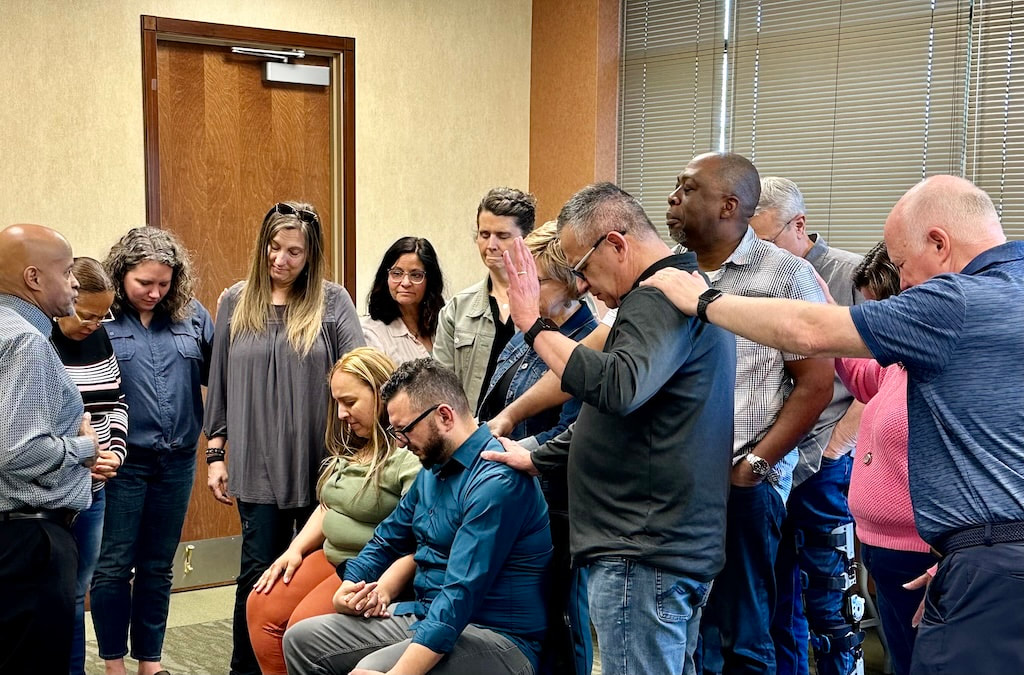 We also heard from Janiel & Leana Caraballo, appointed to be church planters for EXIT Church in Anderson. Dr. Craig Thurmon, District Secretary and a church planter, led us as we prayed God’s blessing over the Caraballo’s in this new ministry assignment. I am grateful for the members of our district board. They represent churches of all sizes and styles as we seek God’s wisdom together. We are looking forward to the district conference on June 29. Friday, I attended the visitation for Mrs. Margaret “Peggy” Ricker, wife of Rev. Jim Ricker. Rev. Ricker shared a moving tribute to Peggy that included the song “Come Home, It’s Supper Time.” Rev. Ernest Batman, our retired district superintendent, was also in attendance and had been faithfully ministering to the Rickers during Peggy’s illness. 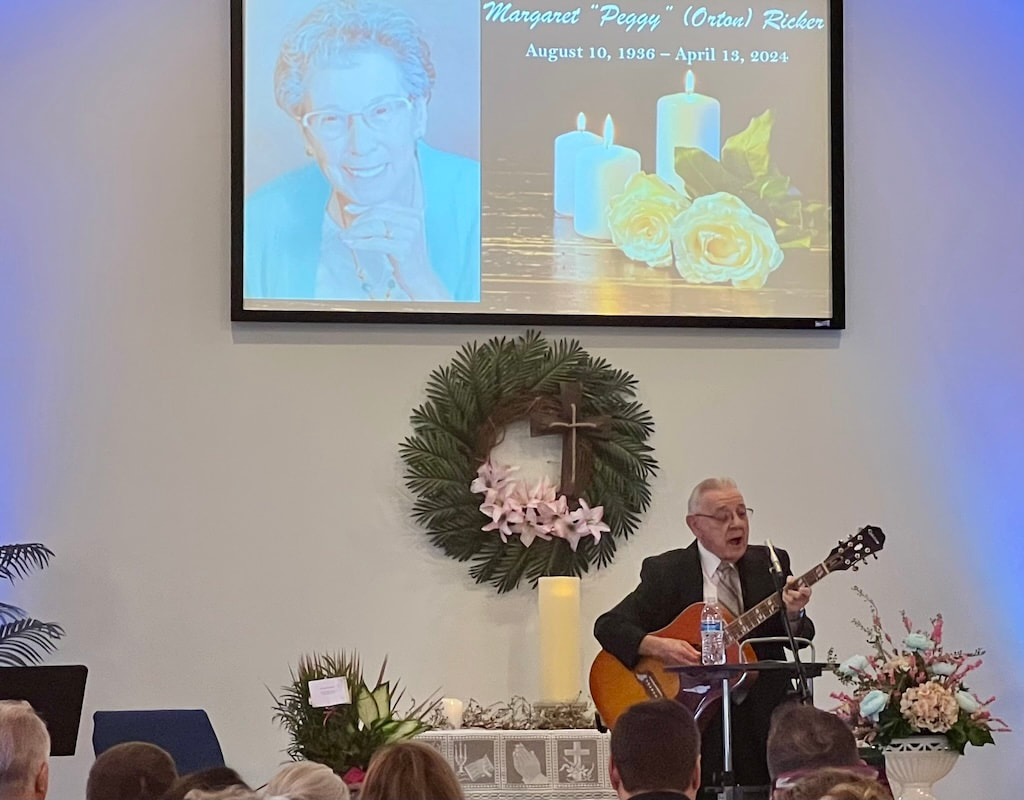 Rev. Michele Henry, our district KidsMin champion, hosted a training and networking event for children’s ministry leaders from around the Crossroads District. Rev. Stephanie Rhyne (content creator for David C. Cook Publishing and Kids Ministry Catalyst for The Wesleyan Church) was the keynote presenter. One of the greatest contributing factors to a healthy growing church is a dynamic ministry to children. We are indebted to these wonderful leaders! 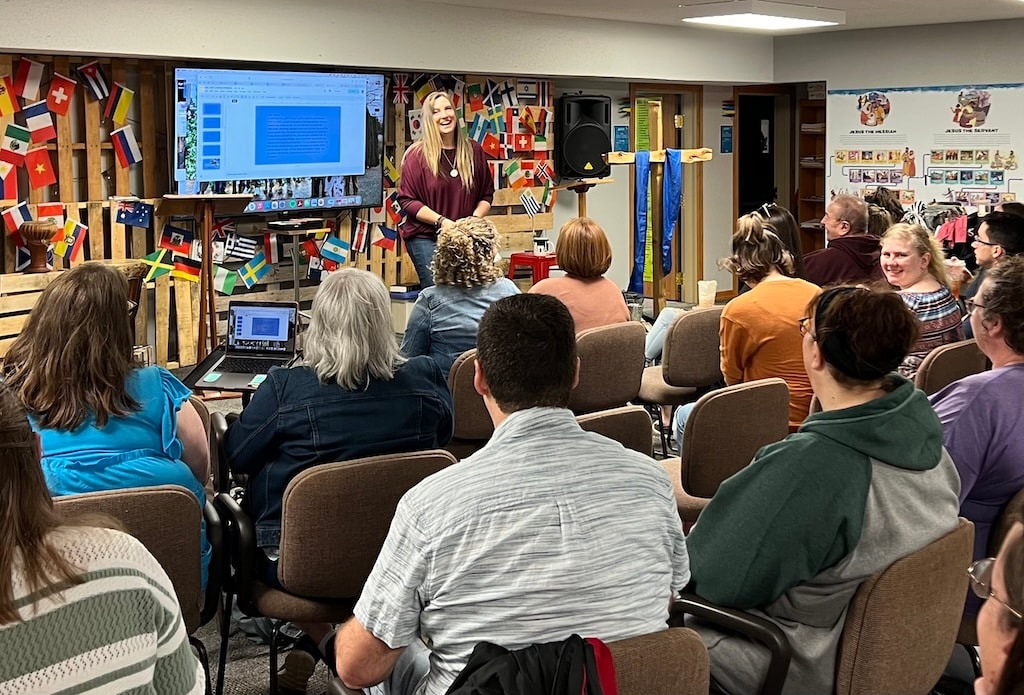 Later that morning, I attended the funeral for Rev. Nick Wilson, assistant pastor at Anderson United Wesleyan Church. Our prayers are with Brenda, his wife, and their children as they grieve this loss. Rev. Matthew Hines, Nick’s friend and former ministry colleague, brought a timely message about what it means to grieve with hope. Rev. Joe Jackson and Rev. Jeremy Armiger assisted with the service. Please keep this family and United Church in your prayers. 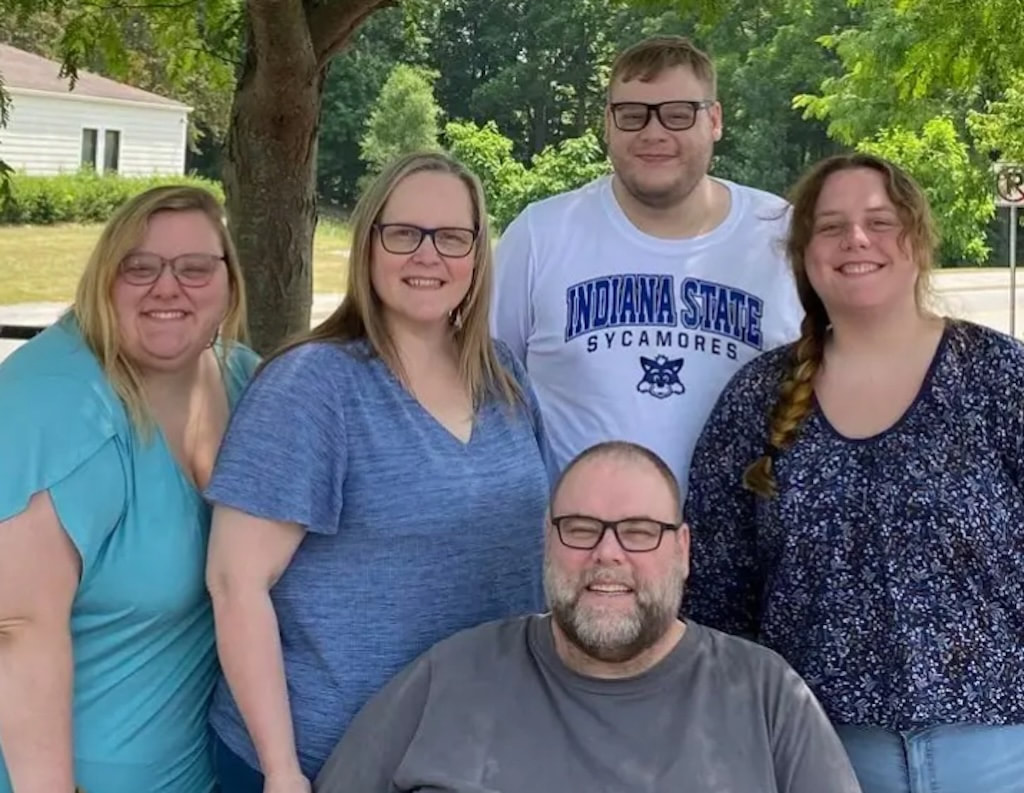 Baptism reports keep coming in and we can’t stop celebrating these stories of lives being #MadeNew! Pastor John Hannan and the team at CrossRoads Church in Union City baptized six new believers yesterday morning! 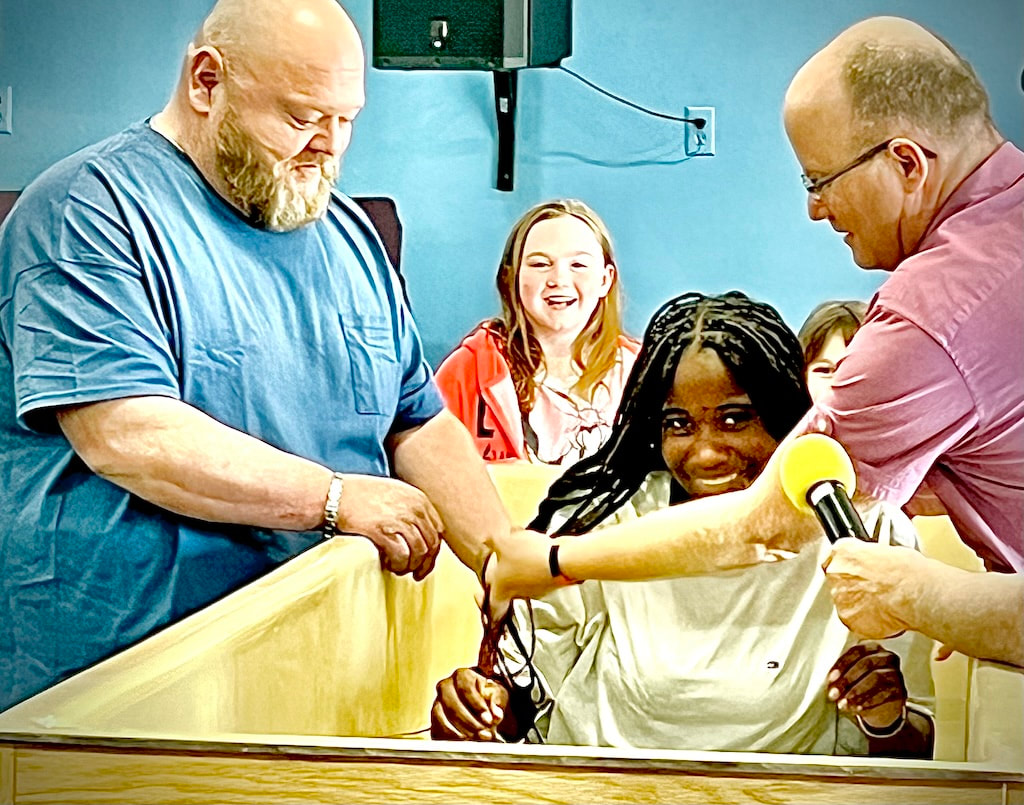 Pastor Terry Vaughn and the team at The Bridge Urban Church in Mishawaka celebrated with 8 people who publicly confessed Christ as their Lord and Savior through baptism on April 21. They are anticipating as many as 6 more being baptized next Sunday at their Bless the Block outreach event! 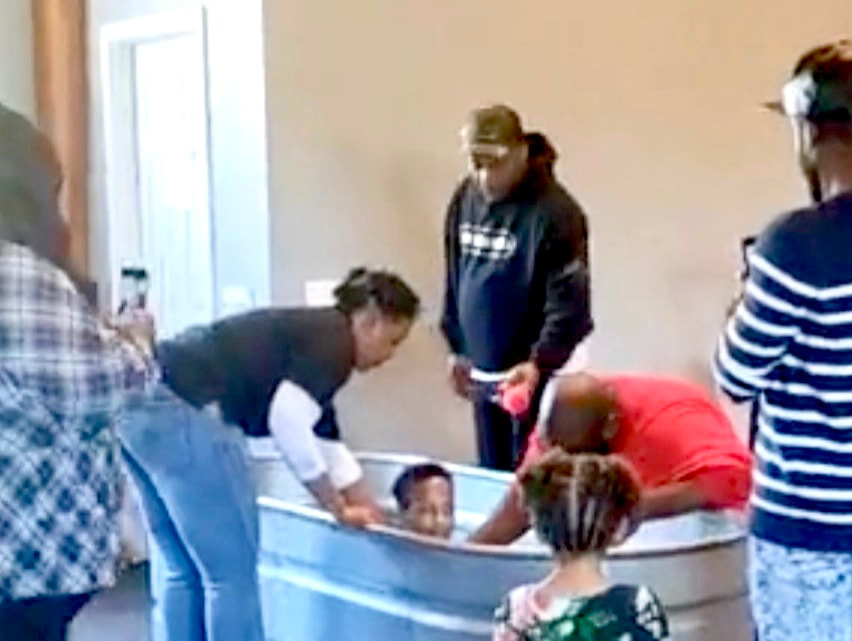 Rev. Lilly Kurker, senior pastor at Carmel Amistad Iglesia Wesleyana, shared the encouraging news that four of these young people publicly declared their faith in Jesus through baptism yesterday. It’s wonderful to see young people taking this step of obedience to Christ! 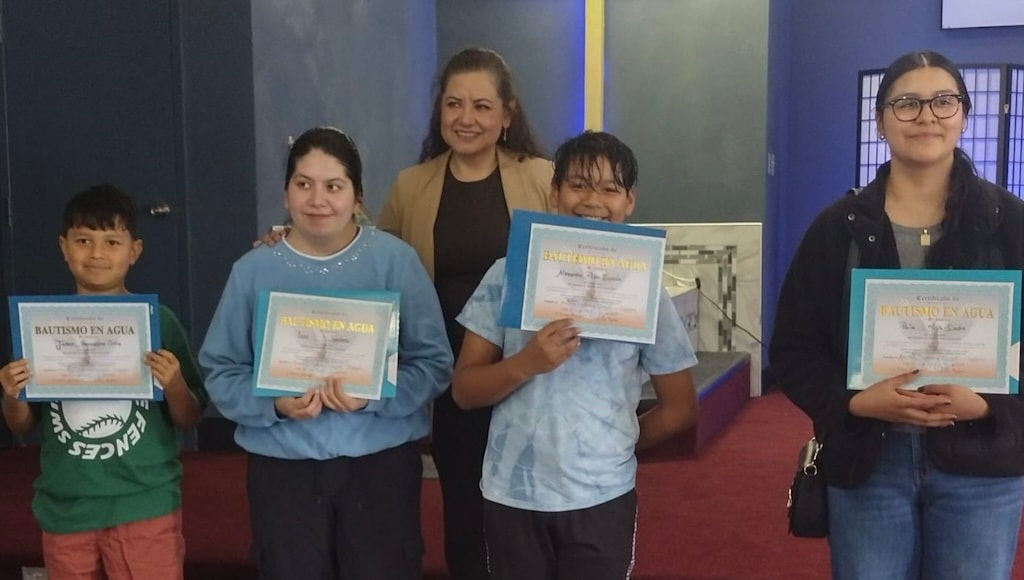 Dr. Tom Kinnan has been effectively serving as interim pastor for The Branch in Lafayette. They celebrated six baptisms yesterday, the most in recent memory. Anticipation is building for their 100th anniversary coming up next Sunday, April 28. Special guests will include Rev. Tom Schmidt and Dr. Ed Hoover. Pray with The Branch as they continue to seek their next pastor. 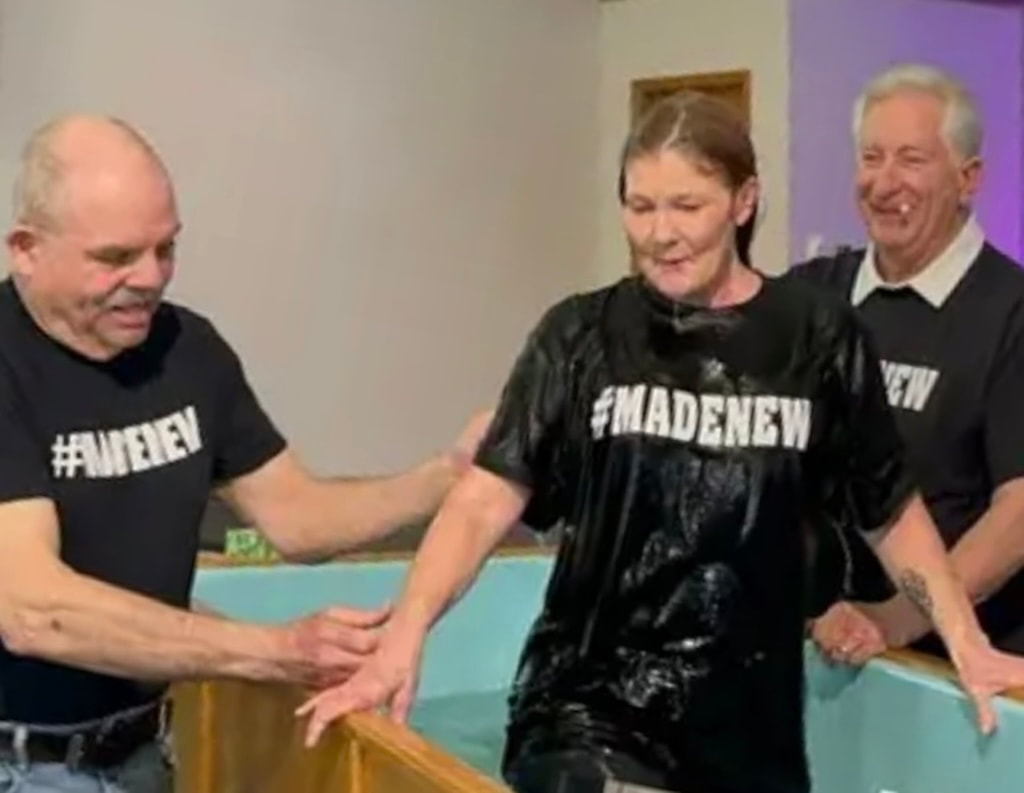 God is on the move at Eastview Wesleyan. Pastor Noah Farmer reported that they have celebrated baptisms for three Sundays in a row for a total of 9 baptisms so far this month. 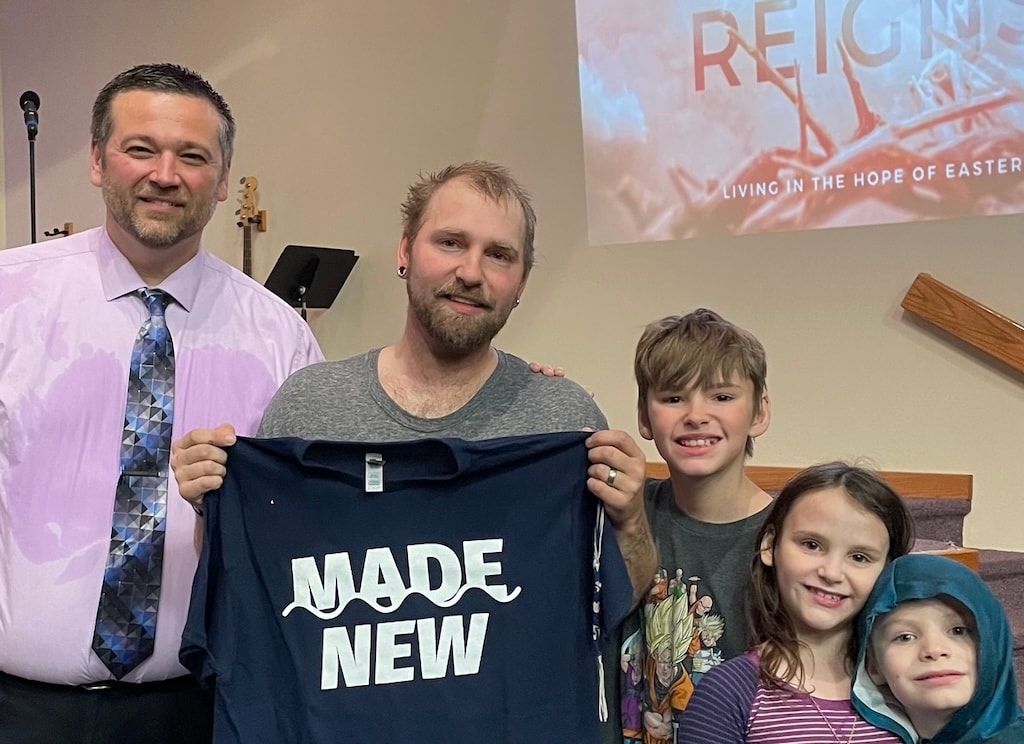 Rev. Johnnie and Rachel Blair were united in marriage at Tipton Trinity Wesleyan Church on Saturday. Michael Wood, assistant pastor, led the ceremony and shared the message from God’s Word. I was able to represent our district team at the service. It was good to connect again with Trinity Church lay leaders before and after the service. We pray God’s best for Pastor Johnnie and Rachel as they continue to minister at Trinity Wesleyan. 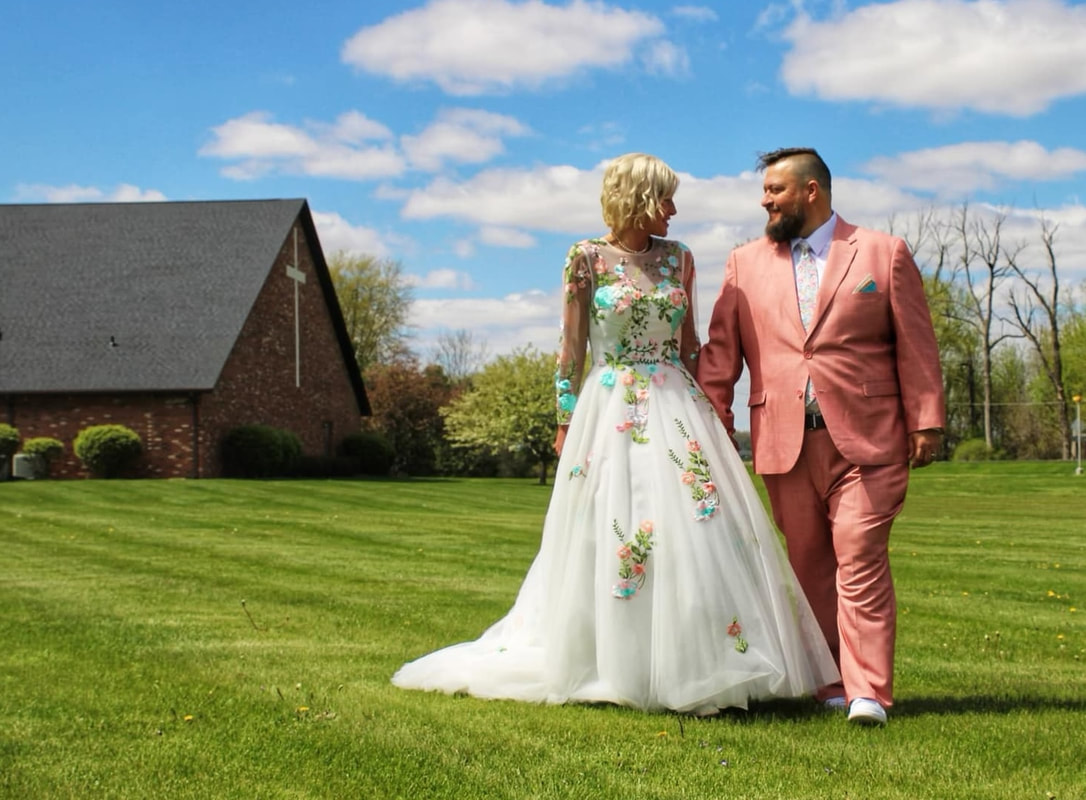 Congratulations to Dr, Jim Lo and Dr. Keith Springer. This graduation will mark their official retirement from faculty appointments at Indiana Wesleyan University. They have both made a profound impact on an entire generation of ministry students. We are confident that they will continue to bless the church in this new season of ministry. 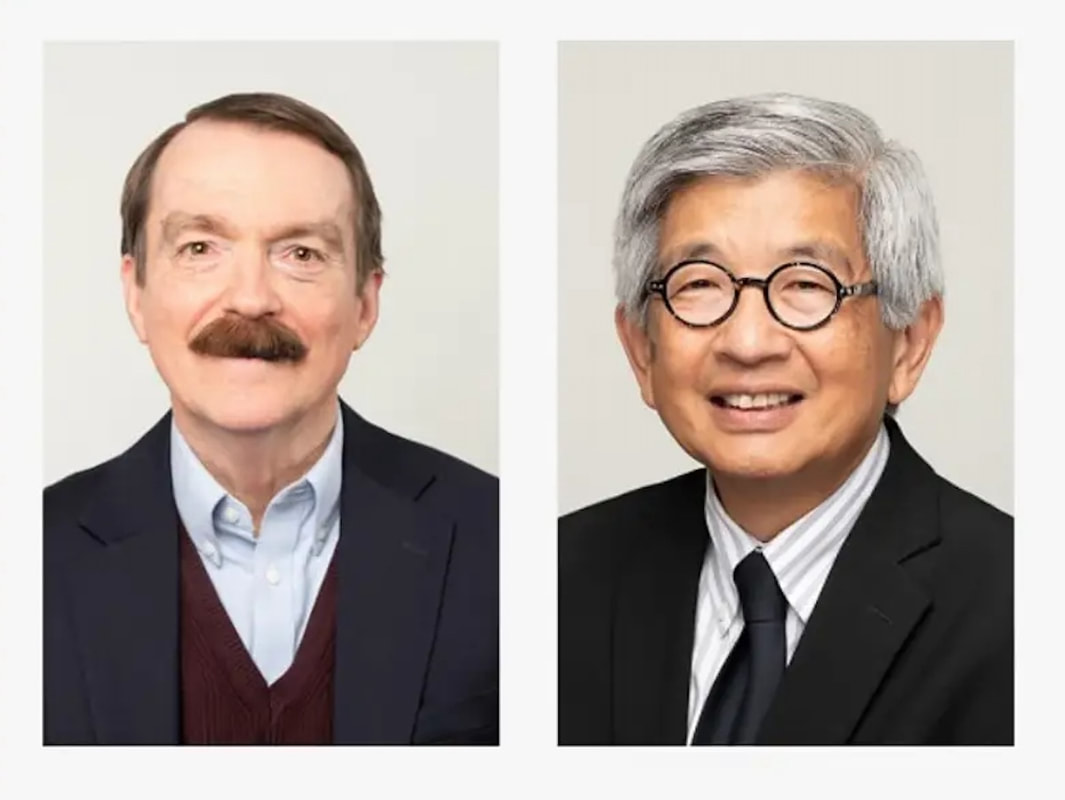 There’s still time to register for Never2Young! Don’t miss this opportunity to bring your middle school students to Indiana Wesleyan University for what can be a life-changing experience! For more information and registration, click here. 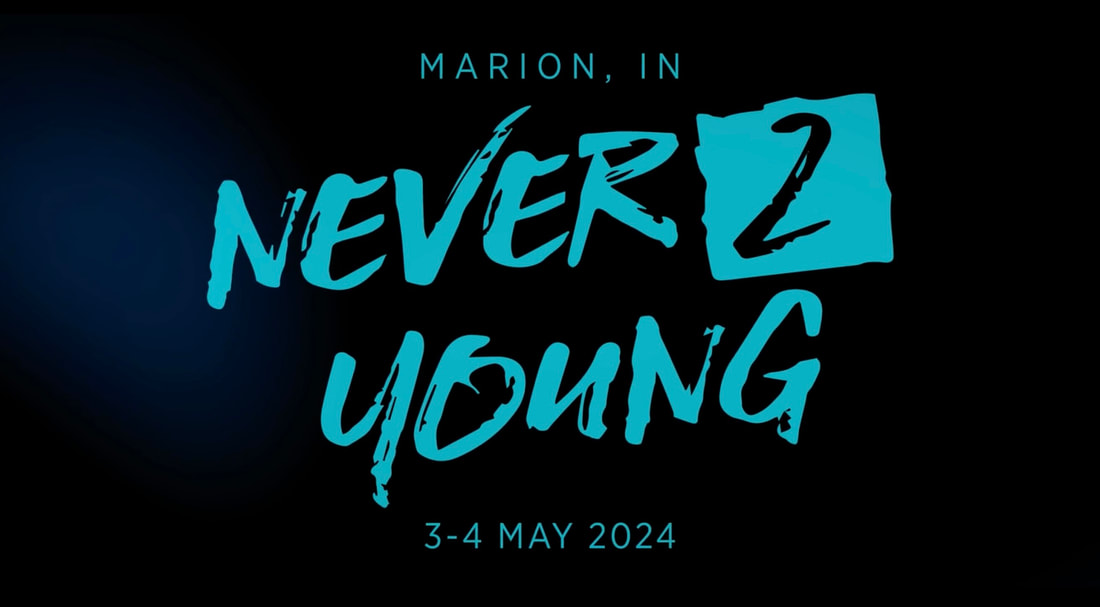 I’m looking forward to some time away from the office this week attending the ARC Conference at Church of the Highlands in Birmingham, Alabama. Michael Wood will be anchoring the district office for those who may need assistance in completing their ASR (annual service report). In cases of emergency, lead pastors can always reach me directly via text. Thank you for making a difference in the cause that counts for eternity! Your servant in Christ, Mark Gorveatte Crossroads District Superintendent Sunday morning, April 14, I dropped in on Pastor Gary Bingham and his team at Hillside Wesleyan Church. These have been exciting days of outreach and several people shared praise reports and testimonies in the service. Pastor Gary preached a powerful message from Psalm 51 on sharing our faith as an overflow of God’s joy in our lives. 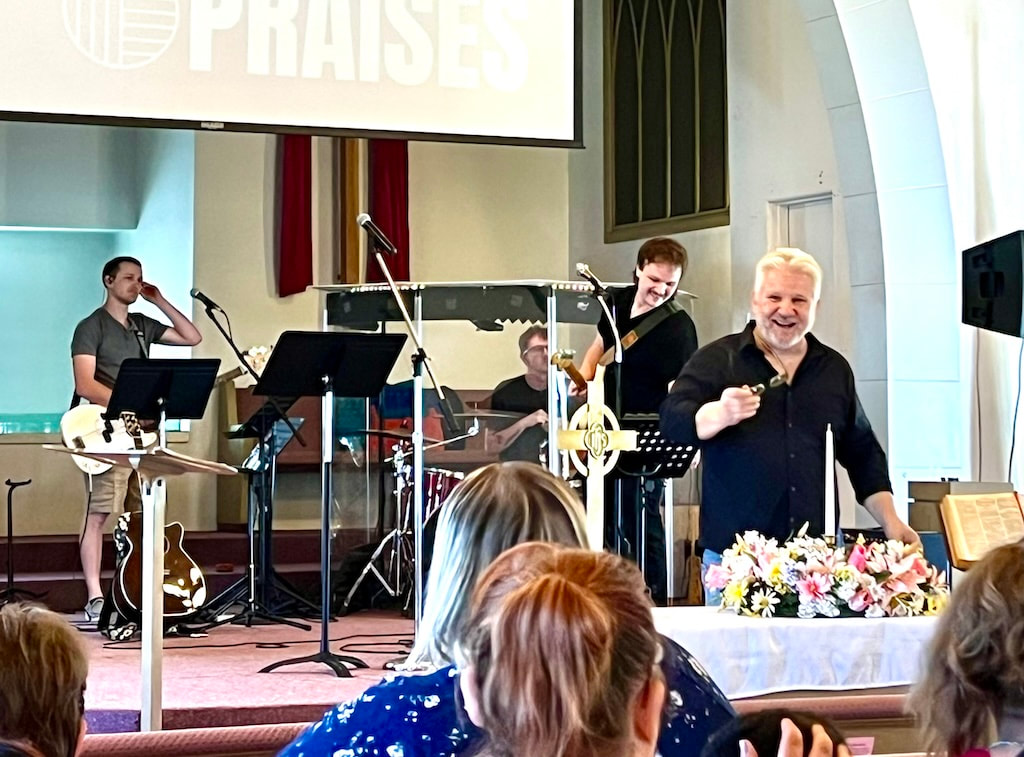 Before arriving at Hillside, I was able to stop in at College Wesleyan Church for their 9:15 service. Pastor Alex Sicilia from Mexico City was the guest speaker. He brought a challenging message from Matthew 9 on God’s holiness. One of his key points was, “God’s holiness doesn’t need to be defended. It needs to be unleashed.” 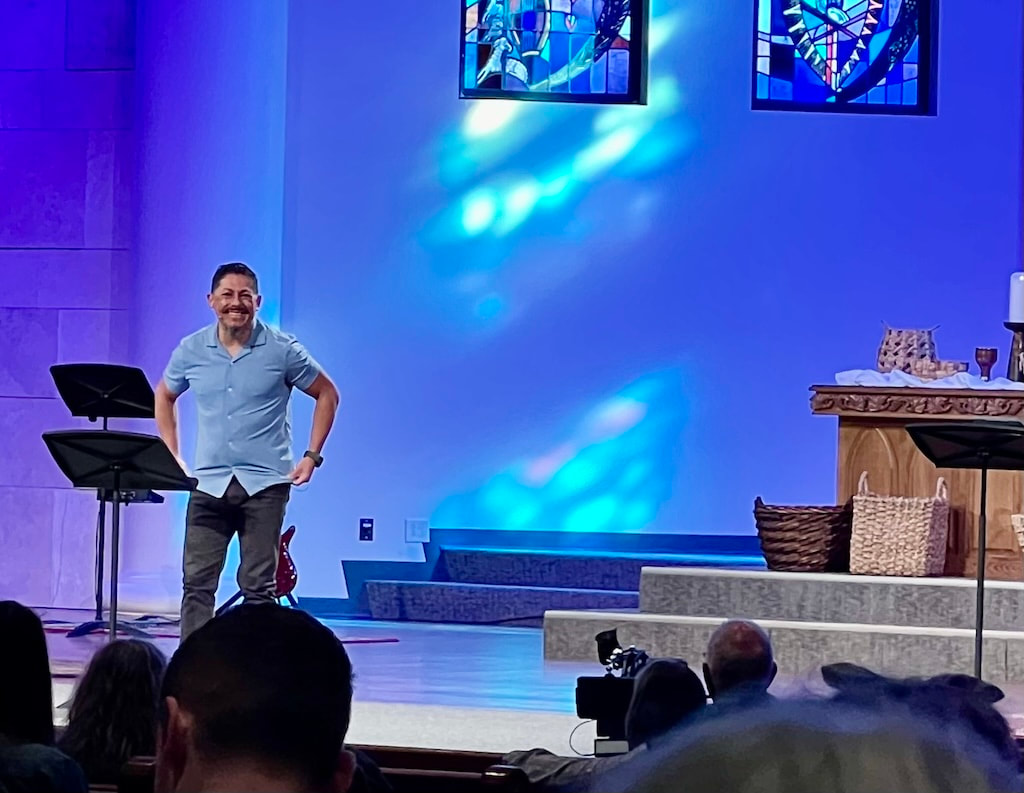 Sunday evening, I brought greetings to the Local Church Conference at Eastview Wesleyan Church in Gas City. Pastor Noah Farmer chaired the meeting as they elected delegates and board members, reviewed the budget, and celebrated 76 professions of faith this conference year. They’ve also been rejoicing with 8 baptisms in the past two weeks! 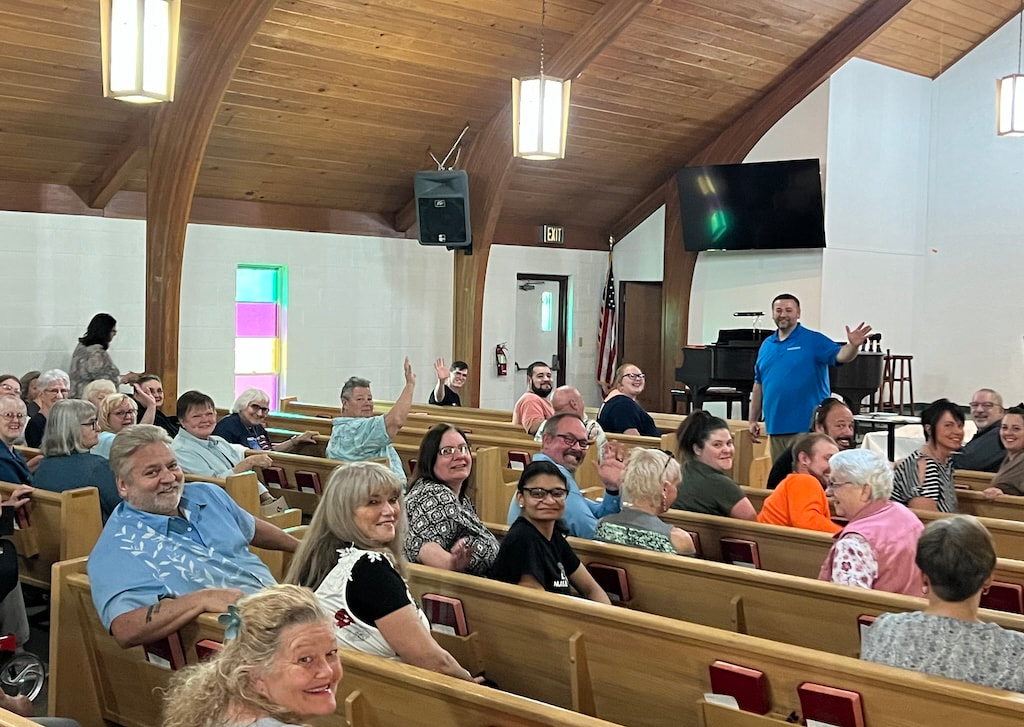 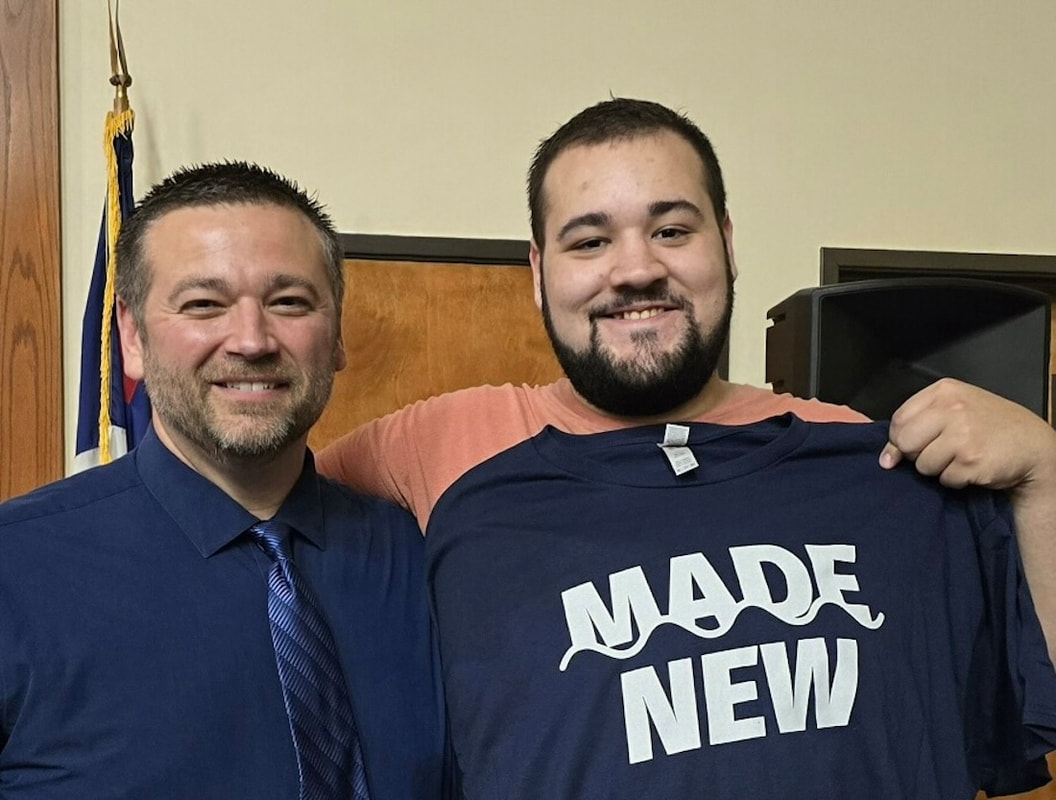 Last Monday was historic for central Indiana with the first total solar eclipse since 1806. It was a remarkable moment as the sky grew dark, the air grew colder, and everything became silent. For many people, it was truly a once in a lifetime event and a magnificent reminder of God’s creative genius. Indeed, “the heavens declare the glory of God; the skies proclaim His handiwork.” Psalm 19:1 (NIV) 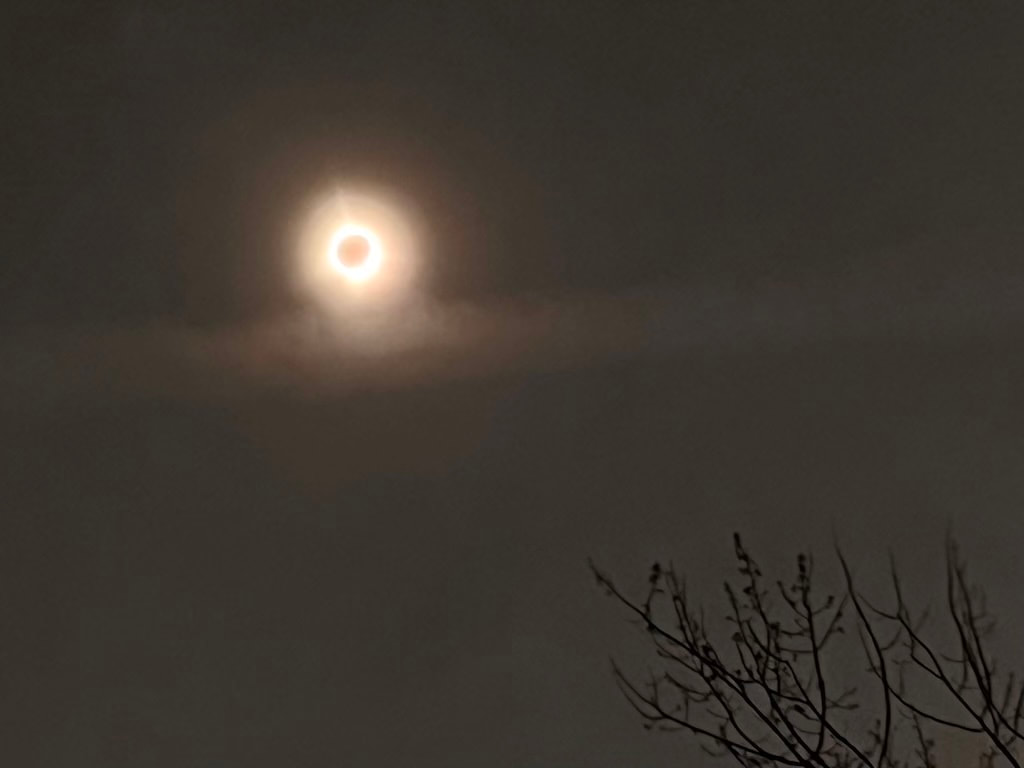 Tuesday, I was back on the road for coaching conversations. I met over lunch with Rev. Scott Ferguson, pastor of Harvest Church, and then with Rev. Theo Griffin, pastor of Greenfield Brown’s Chapel Wesleyan Church, later that afternoon. Wednesday morning, I was in South Bend for coaching conversations with Rev. Greg Holmes, pastor of Sonlight Fellowship, and then with Rev. Don Bayne, pastor of New Carlisle Wesleyan Church. My last stop that day was sitting in with Rev. Jeff Luedtke, chair, and the Fairmount Camp Board as they finalized their updated standing rules for approval as an affiliate corporation of the Crossroads District. Thursday morning I met with Rev. Andy Jellison, pastor of Lifeway Church in Fort Wayne, for a coaching conversation and then I connected with Rev. Aldean Pablo over lunch for an encouraging update on ARISE, our church planting project in Roanoke. Thursday evening, I signed in for the Marketplace Multipliers Conference and connected with friends at the opening reception hosted at College Wesleyan Church. 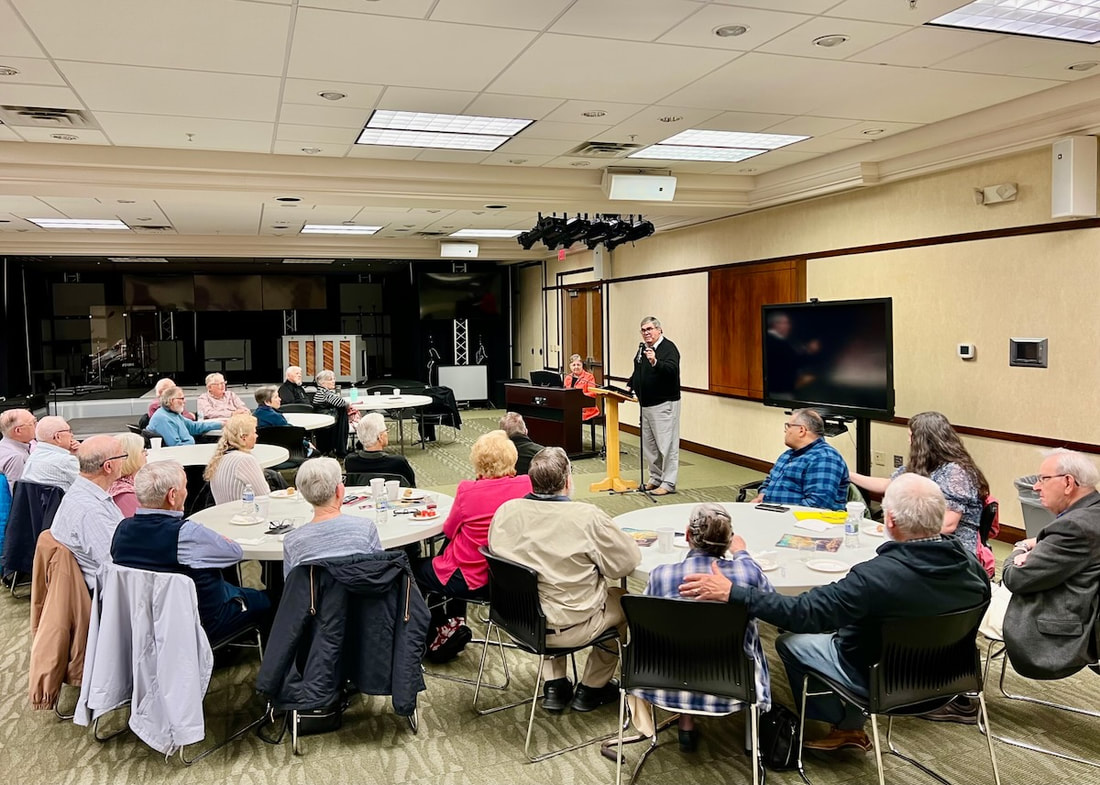 Friday morning, I was blessed to host the Retired Pastors’ Fellowship at Wesleyan HQ in Fishers. We were also privileged to welcome George and Christy, Global Partners missionaries to Muslim people immigrating to Europe. Rev. Mark and Anna James brought inspirational music and a message from God’s Word. They were such a blessing that we have invited Pastor Mark and Anna to join us again at our retirees’ fellowship this fall in Marion. Friday afternoon, I was back at College Wesleyan for Dr. Steve DeNeff’s presentation on Shepherding in the Marketplace. There was a great response to this initial conference called together by our General Superintendent, Dr. Wayne Schmidt. Lay leaders and pastors from across the US and Canada assembled to launch this mobilization initiative. 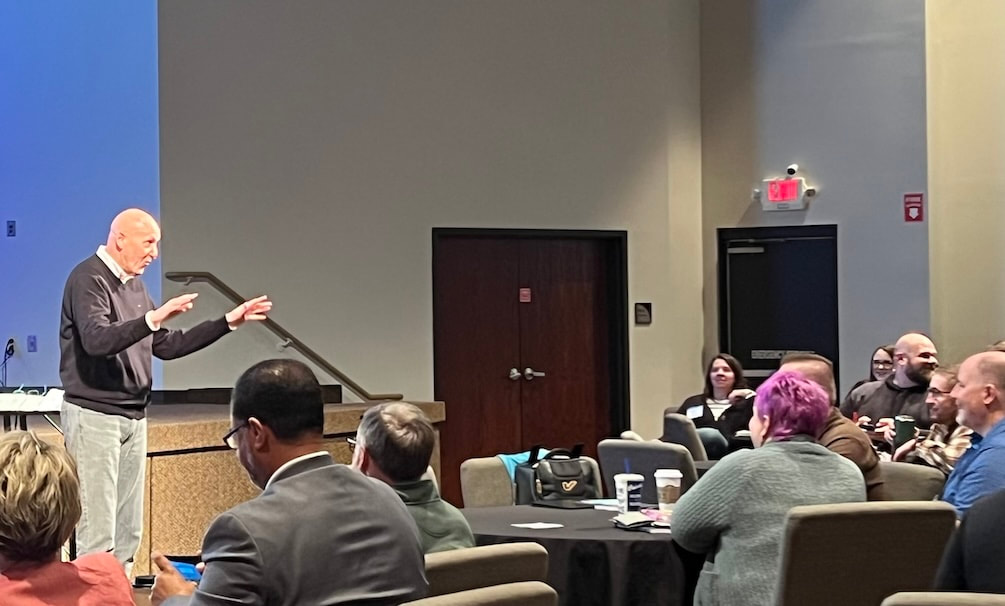 Saturday began back at College Wesleyan in Marion as Dr. Schmidt invited district superintendents and key leaders to a 7:30 meeting before the main session began. Dr. Schmidt announced two more Marketplace Multipliers events in the coming year with the next one at LifePointe Church in the Washington, DC suburbs and the final one in San Antonio. The new website for this initiative will soon be launching at GodWorx.Live. 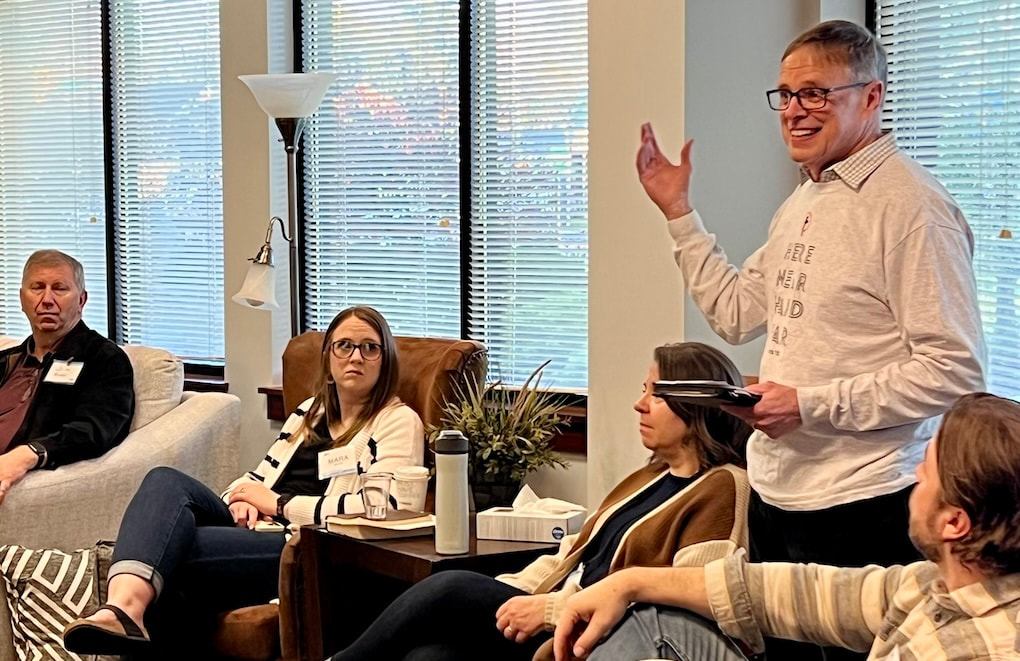 Rev. Nathan Richardson and Rev. Neftali Lopez hosted OCHLOS, a conference for multicultural ministry development, at Southview Wesleyan Church in Indianapolis also on Saturday. I was able to join in for the opening session with Rev. Zach Szmara, CEO of Immigrant Connection. There was good representation from several churches and denominations across the greater Indianapolis area. Special thanks to Southview for hosting this event! 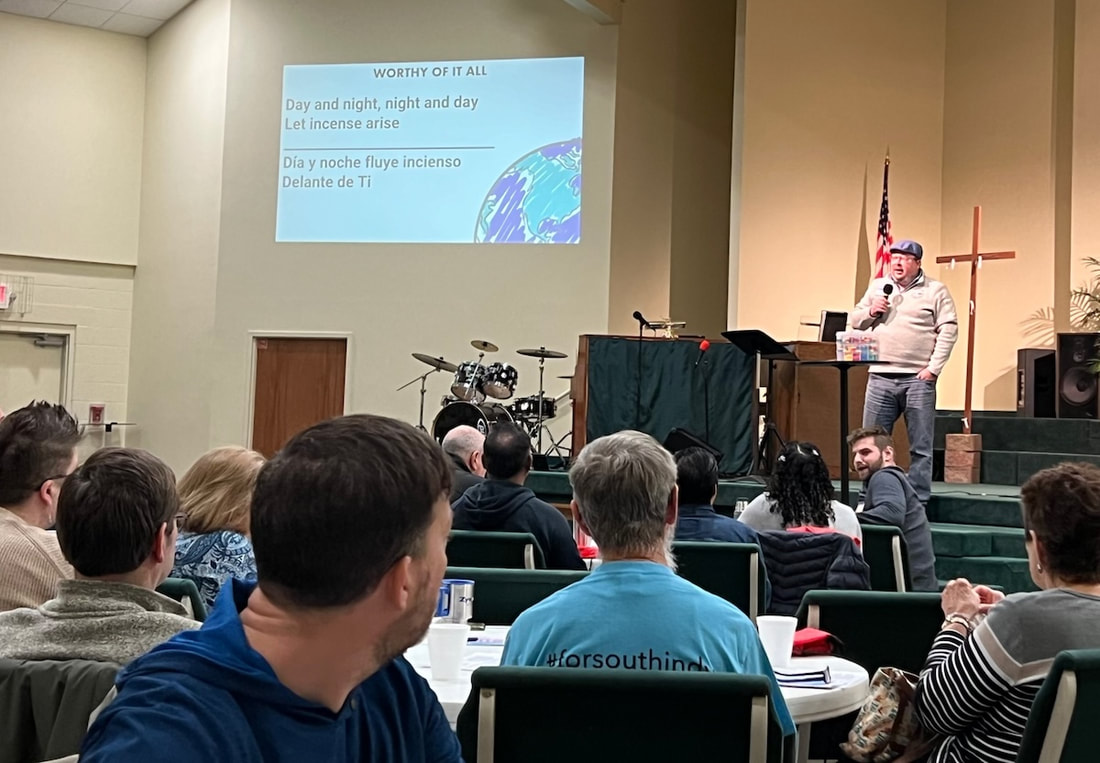 Heaven rejoices and we join in on that celebration with every story of a life #MadeNew by the grace of God. Pastor Tony Bye and the team at Brookhaven Wesleyan Church have baptized four new believers in the past two weeks! 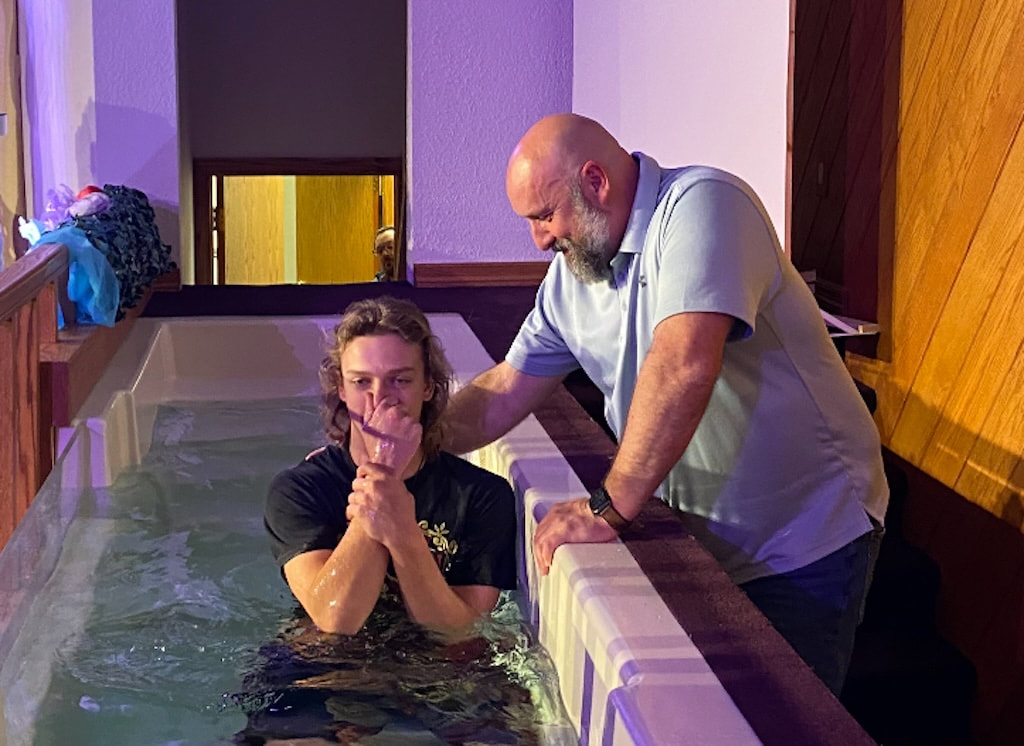 Pastor Lyle Breeding shared the good news of seven baptisms at Sonlight Wesleyan Church in Bluffton on Sunday morning, April 14. Three of these have just recently started attending Sonlight and worship attendance has been over 240 for the past four weeks! 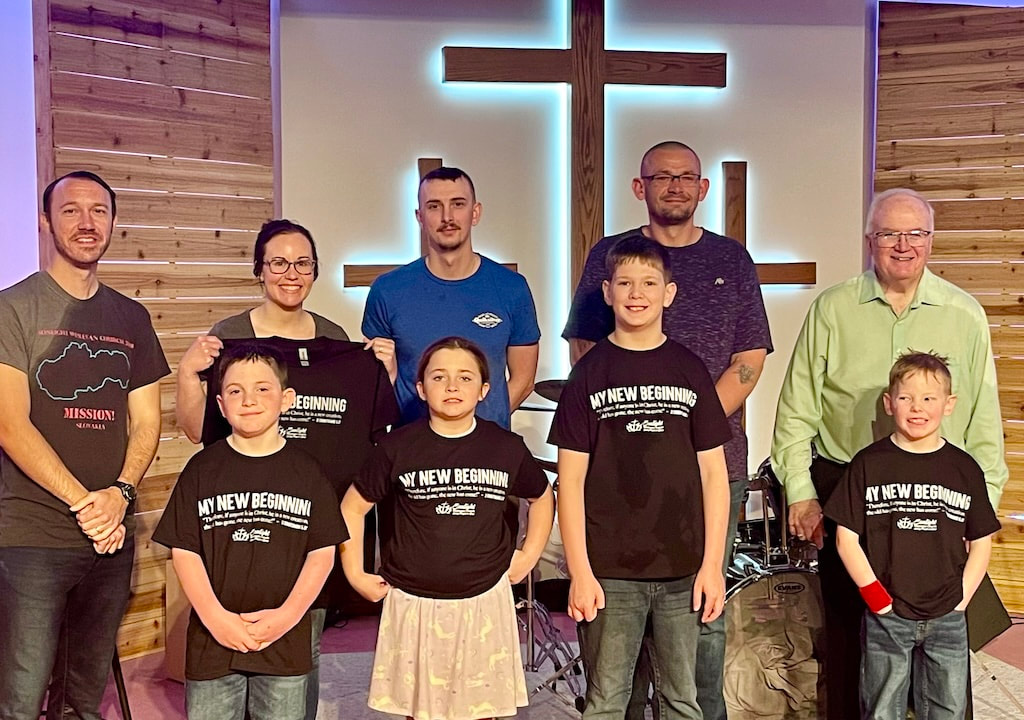 Pastor Scott McDermid and the team at Six Points Church in Sheridan rejoiced this morning with two more new believers publicly professing their faith in Christ through baptism! 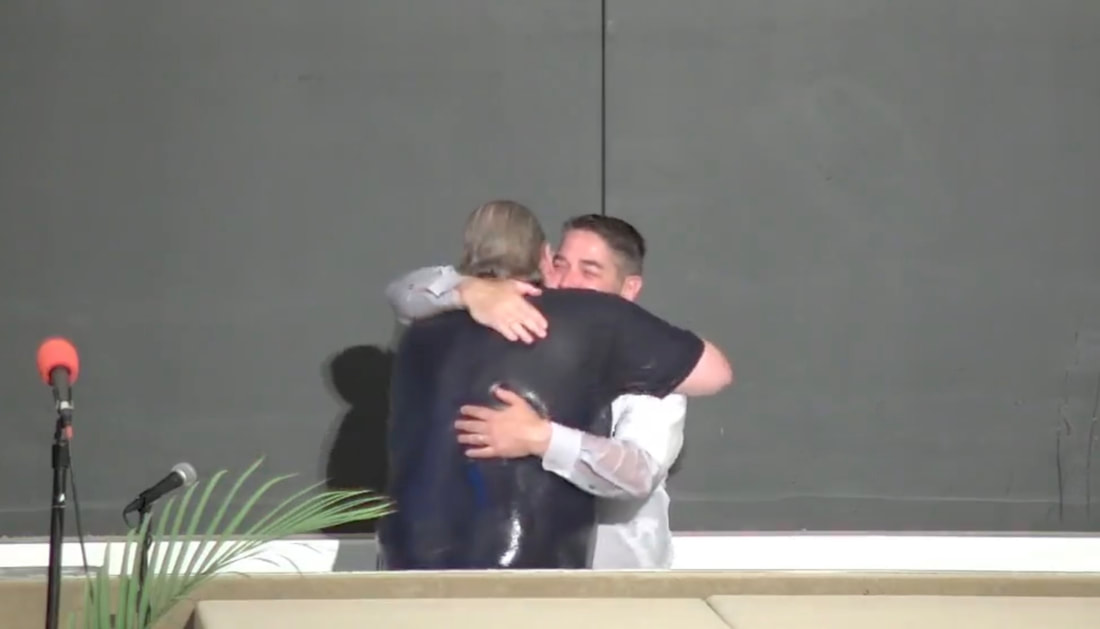 Rev. Mark Atkinson has been serving as interim pastor at Central Wesleyan Church in Elwood. They had another great day on Sunday with 6 more baptisms, the Lord’s Supper, and a baby dedication. We’re praying with Central Wesleyan Church as they prepare for their pastoral interview and vote this coming Sunday. 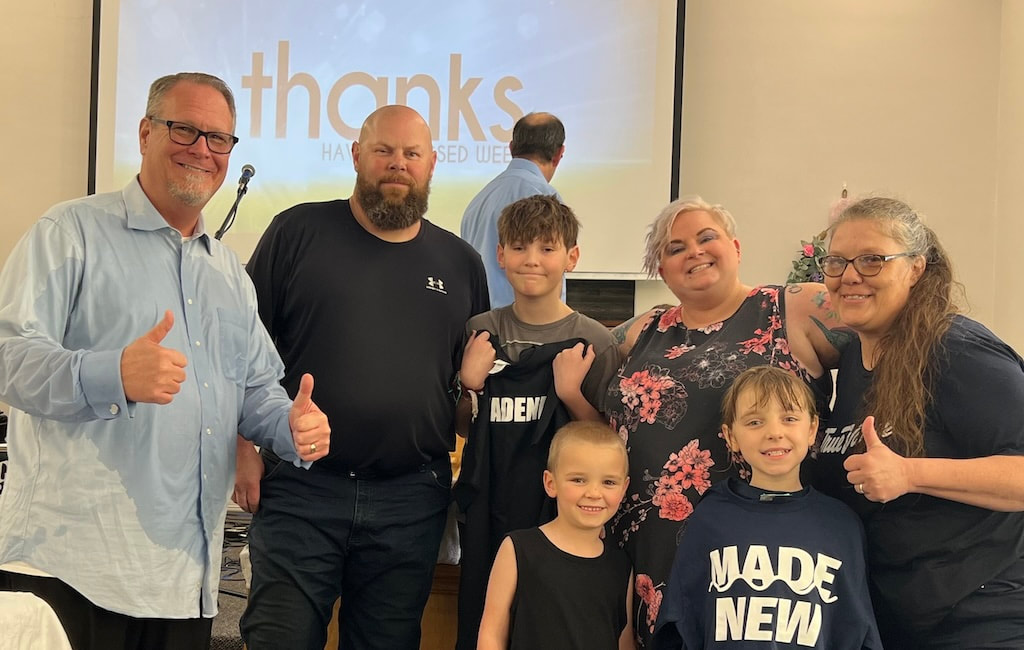 Pastor Michael Hewitt and the team at Muncie Rising Hope Church had another victory celebration on Sunday with five more baptisms. Those being baptized ranged in age from 7 to 75. Praise God for these lives being #MadeNew! 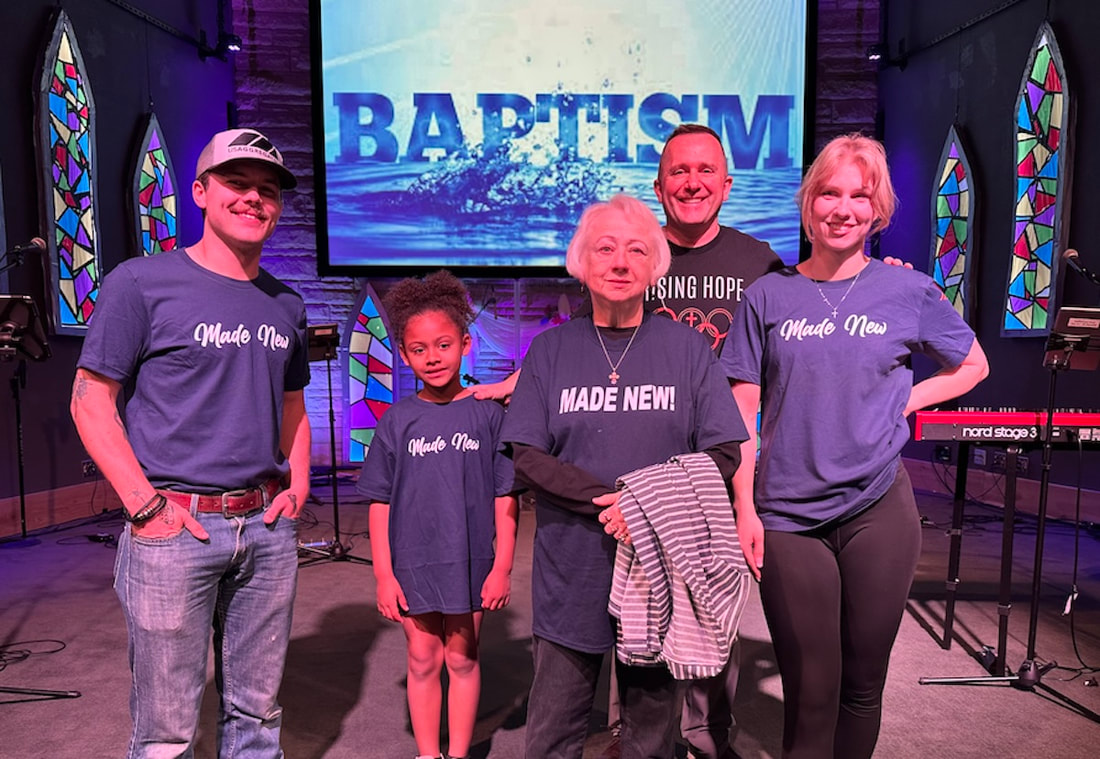 Calling on children’s ministry workers! Don’t miss the Crossroads KidMin Huddle, Saturday, April 20th, at Brookhaven Wesleyan Church in Marion. For $25, you’ll enjoy a full day of learning and networking with fellow children’s ministry leaders, volunteers, and pastors. A continental breakfast and lunch is included in your registration. Stephanie Rhyne, Kids Ministry Catalyst for The Wesleyan Church and content creator for David C. Cook (Wonder Ink), will be our guest speaker. Lead pastors who register to attend can bring two additional volunteers for free! Register at this link. 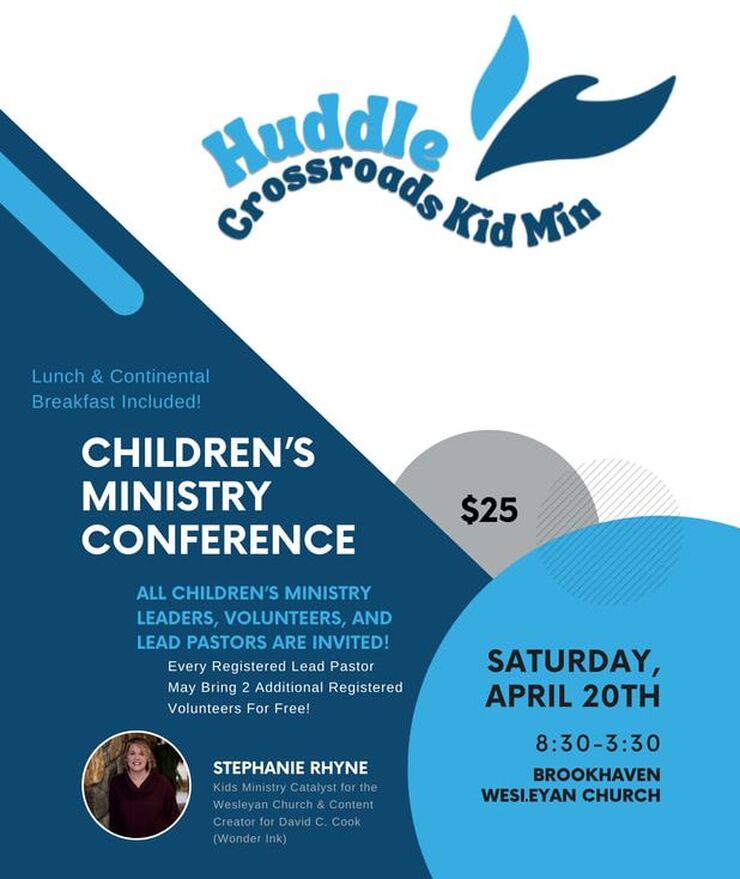 Please continue to keep Rev. Nick Wilson, assistant pastor at United Wesleyan in Anderson, in your prayers. Pastor Nick was recently airlifted to IU University Hospital for specialized care following serious health challenges. For updates on his health and to support the family, please visit his CaringBridge page here. If you’d like to assist the family with meals, you can visit their Meal Train page here. Our prayers and sympathies are also extended to Dr. Sharon Drury, Dr. David Drury, and Dr. John Drury at the passing of Dr. Keith Drury, beloved husband and father. To many, Keith was a coach, mentor, professor, and ministry hero. I was one of many district youth leaders back in the 1980s who were blessed by Keith’s investment in our lives (Strategetics). There will be a celebration of life service at College Wesleyan Church in Marion on April 29. Dr. Drury’s obituary and funeral arrangements may be viewed at this link: https://www.nswcares.com/obituaries/Keith-Drury?obId=31165113 Like Coach Drury, let’s keep on making a difference in the cause that counts for eternity! Your servant in Christ, Mark Gorveatte Crossroads District Superintendent Sunday morning, April 7, Rev. Noah Farmer and the team at Gas City Eastview Wesleyan Church welcomed me for their 9 a.m. worship service. Pastor Noah brought an encouraging message on getting past your past by the grace of God. They had a great day on Easter Sunday with 363 in worship and 31 people indicating their profession of faith. This Sunday, attendance was over 230 as Eastview celebrated six baptisms. Here is Pastor Noah with the three baptized in the early service. 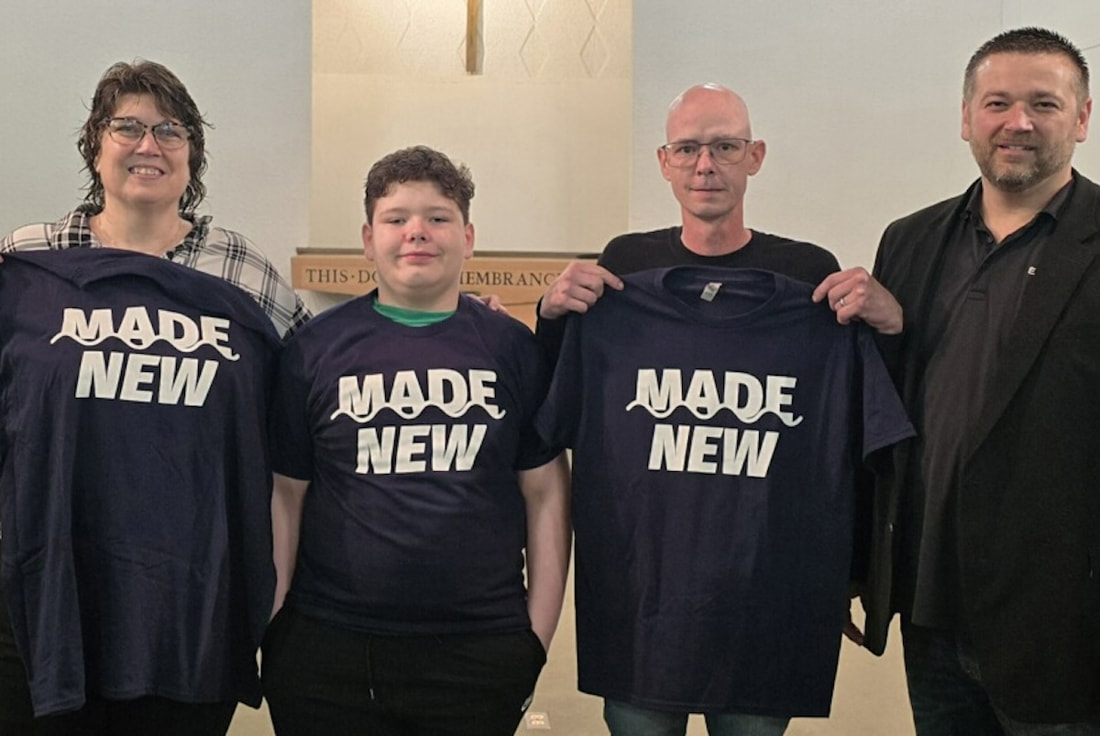 My second stop of the day was with Rev. Brent Miller and the team at Southside Wesleyan Church. They had a full house on Easter and are rejoicing with the 8 people who prayed to receive Christ. Pastor Brent started a new sermon series called “Lessons from the Road.” He’s logged over 1 million miles driving commercially so he will be sharing lessons from his experiences. Following the service, Southside hosted a fellowship meal for the congregation. 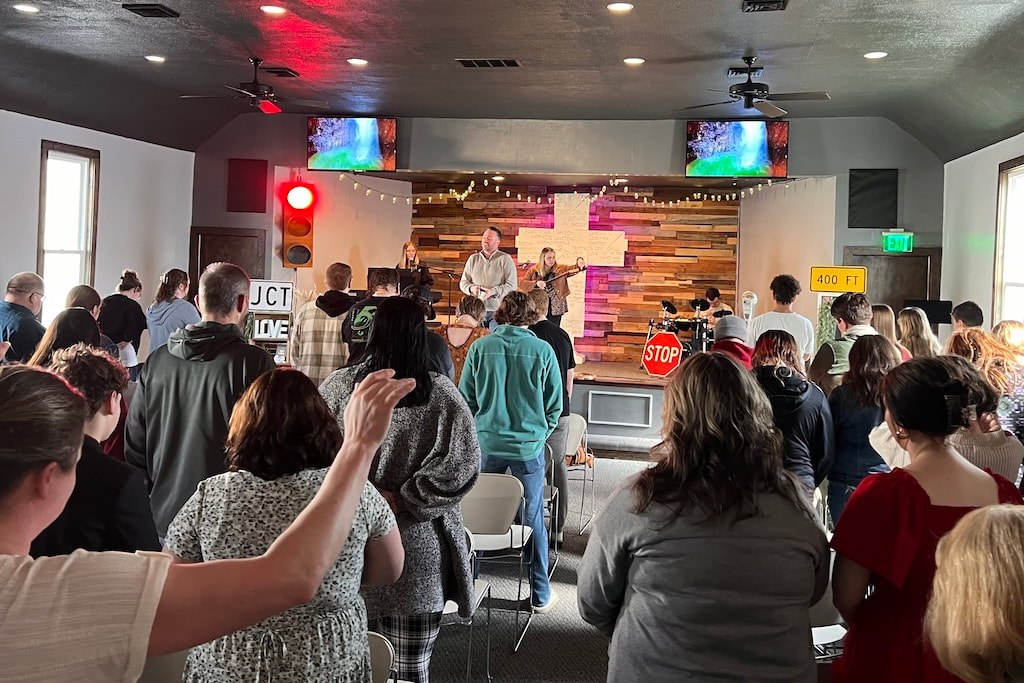 My last stop of the day was with Pastor Jerry Alexander in Anderson. Together, we chaired the Local Church Conference for Living Hope Church (formerly Anderson Central Wesleyan). I’m grateful for Pastor Jerry and Teresa’s loving investment in this turnaround initiative. Pray with them as they prepare for Launch Sunday on May 19. 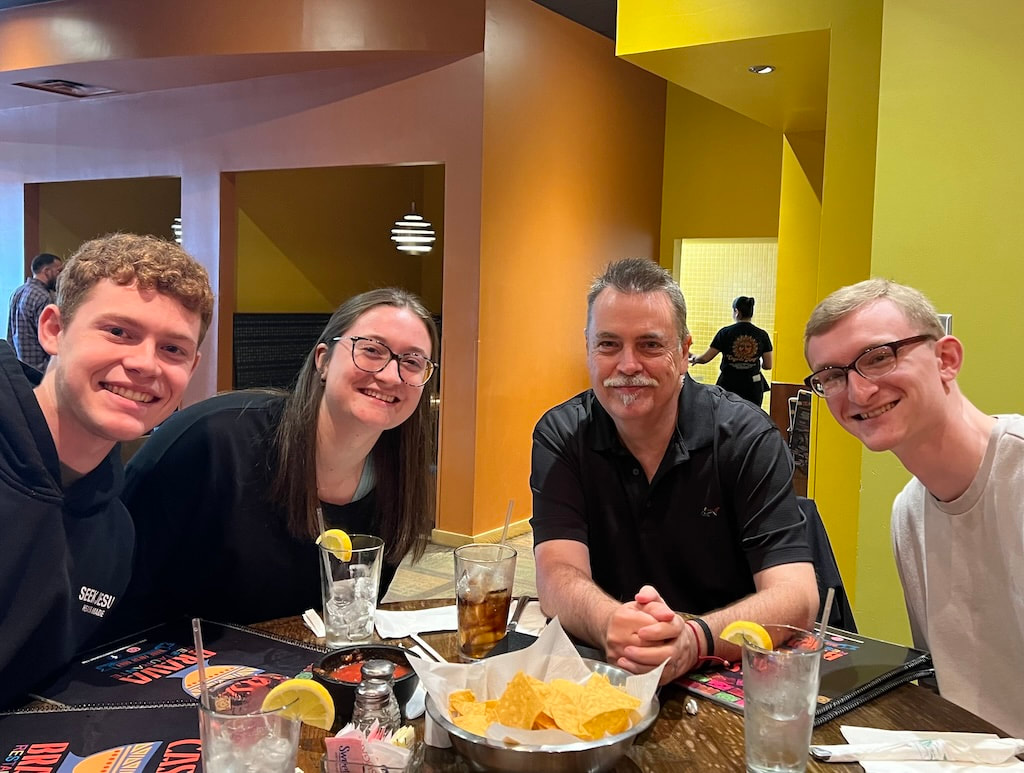 Last week began with a delightful lunch hosting Rev. Steve Arnett and three of the college students from New Castle Mt. Zion Wesleyan Church who are studying for ministry. Pastor Steve is a great mentor and friend to these college students. If you have people in your congregation who are prayerfully considering a call to ministry, I’d be grateful to connect with them over lunch or coffee to answer questions they might have about The Wesleyan Church and our ordination process. Monday evening, I joined the pastoral search team at Elwood Central Wesleyan Church as they conducted the first of two candidate interviews that evening. Easter was amazing at Central Wesleyan Church with Rev. Mark Atkinson as guest speaker, 187 people in attendance, and 30 people responding to the invitation to become disciples of Jesus Christ! 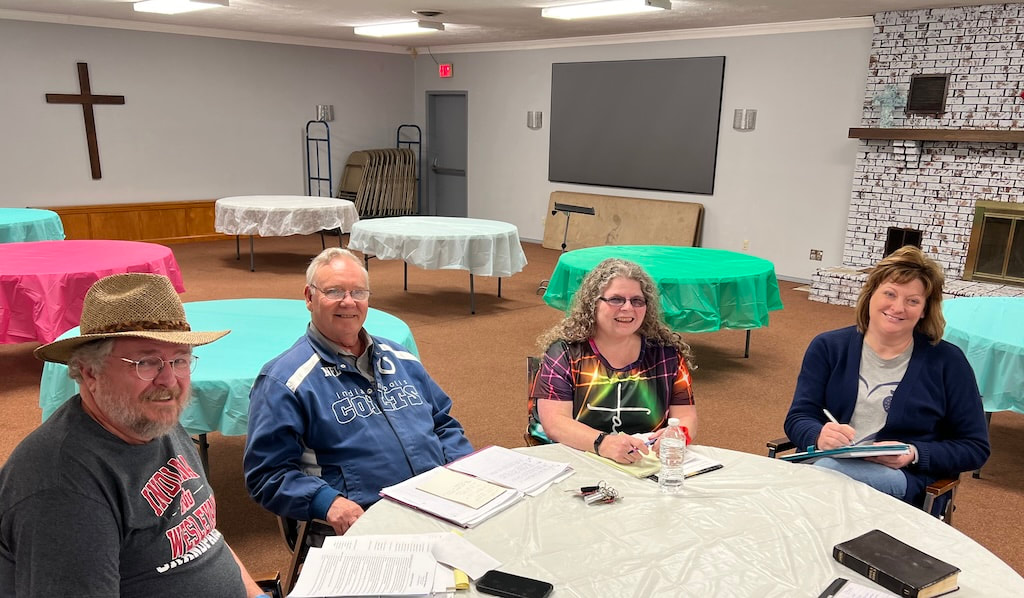 The Heartland Gathering was held last week in Pigeon Forge, TN. This was the third time that our four Heartland Region districts (Crossroads, Greater Ohio, Indiana South, and Kentucky-Tennessee) have combined to host this retreat for pastors and their families. We had the strongest contingent present among the more than 300 who gathered for the three nights of worship and refreshment. The speakers were inspiring and the fellowship was a little taste of heaven. Thank you to key leaders from our district, including Carla Working, Michael Wood, Seth Bye, and others, who helped make this event possible. 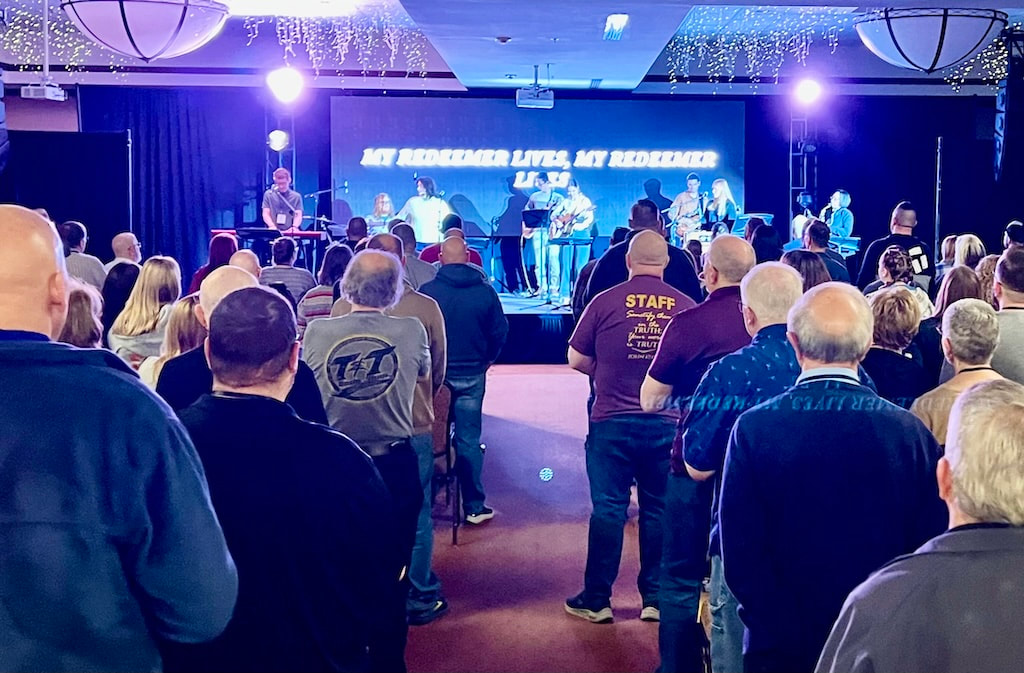 I returned early from Tennessee to participate in the funeral of Larry Trexler, Sr., father to Rev. Matthew Trexler. It was an honor to serve the family in this service alongside Dr. John Ott, one of my heroes and a long-time mentor for Pastor Trexler. Please continue to keep the Trexler family in your prayers. 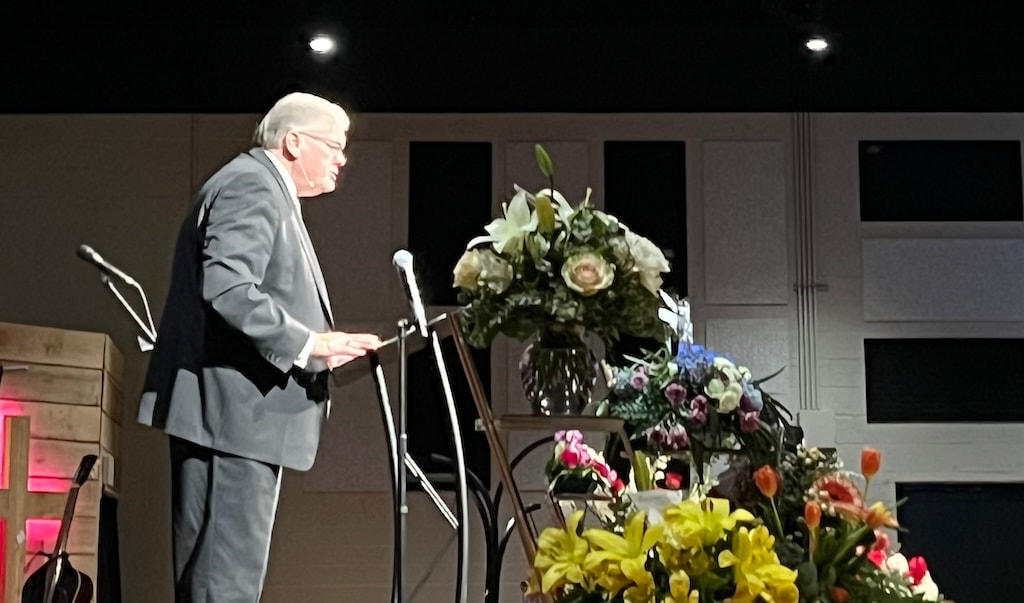 Friday evening, I joined Pastor Charlie Alcock, 700 high school students, and a chapel full of worshipers at Indiana Wesleyan University for the kickoff rally of FUSION. This was the 20th anniversary of FUSION and I’m grateful for the IWU team that makes this event possible. Pray for the hundreds of students who walked through an open door on Saturday evening to answer the call to follow Jesus. 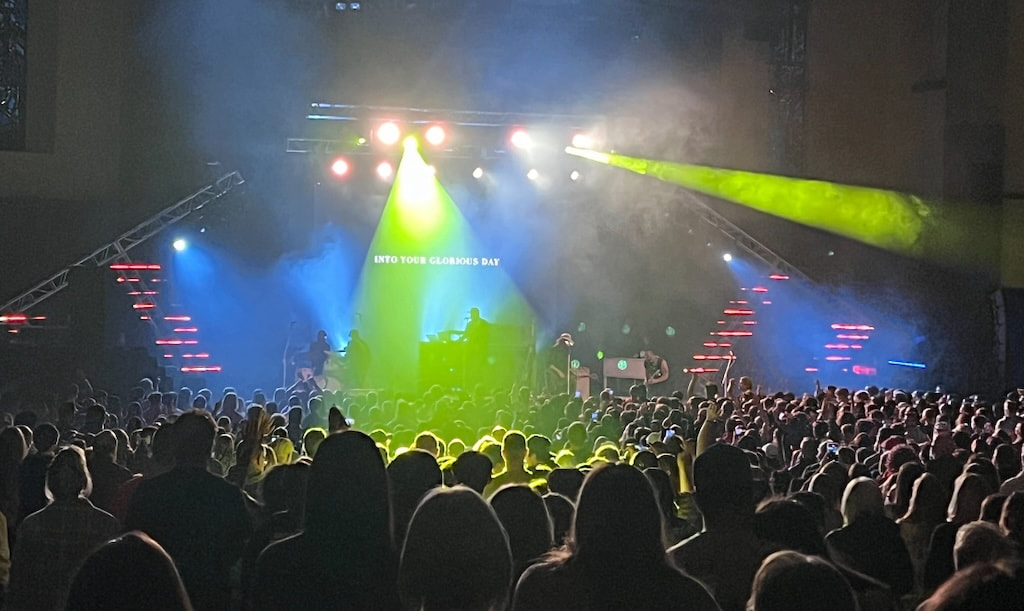 I took the day off on Saturday and stopped by Northview Church to hear John Maxwell share about the power of mentoring. I’m old enough to remember when Dr. Maxwell worked on staff at the headquarters of The Wesleyan Church. I am grateful for his investment in my life and the lives of so many leaders in our denomination. Pastor Dan Fisher shared the encouraging report that Delphi Wesleyan Church welcomed 118 for Easter Sunday. Then they followed that up by baptizing a new believer and welcoming six new members yesterday. God is on the move in Delphi! 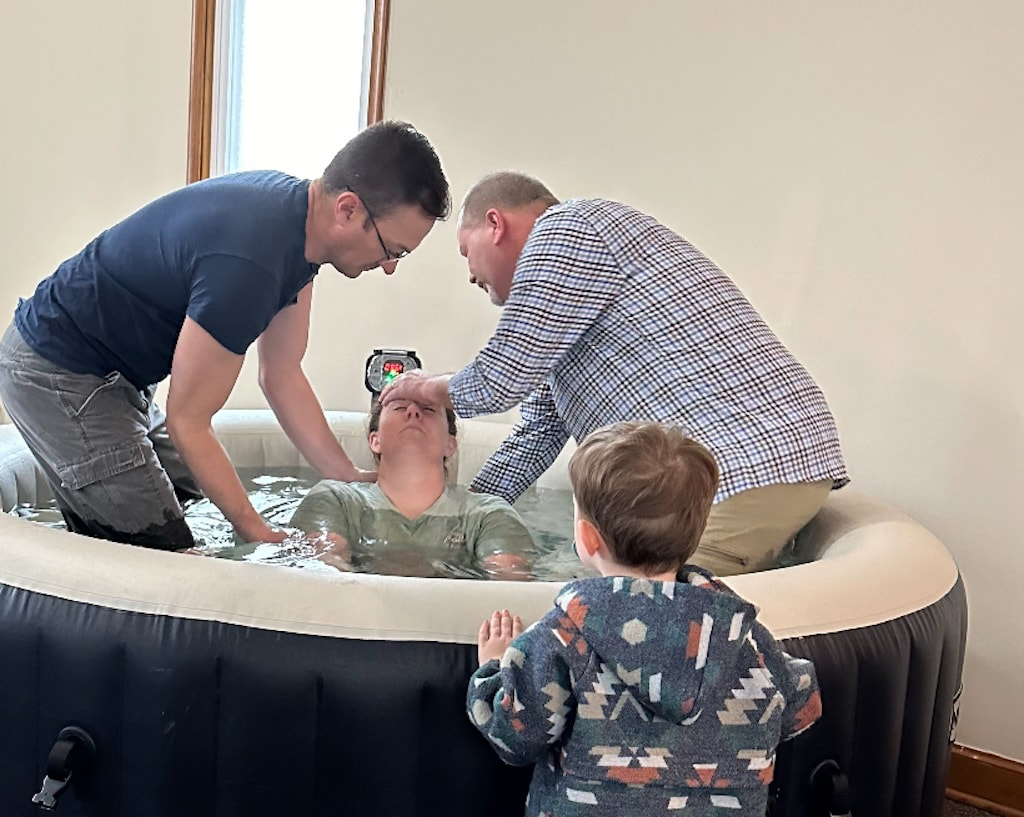 Rev. Andy Riemersma and the team at ONE Church in Westfield welcomed over 200 on Easter Sunday and baptized two new believers this past week in the Westfield YMCA pool. Both young men are athletes that Pastor Andy serves in his part-time role as a chaplain in the Indiana Pacers organization. Pray for God’s favor on Pastor Andy’s unique ministry. 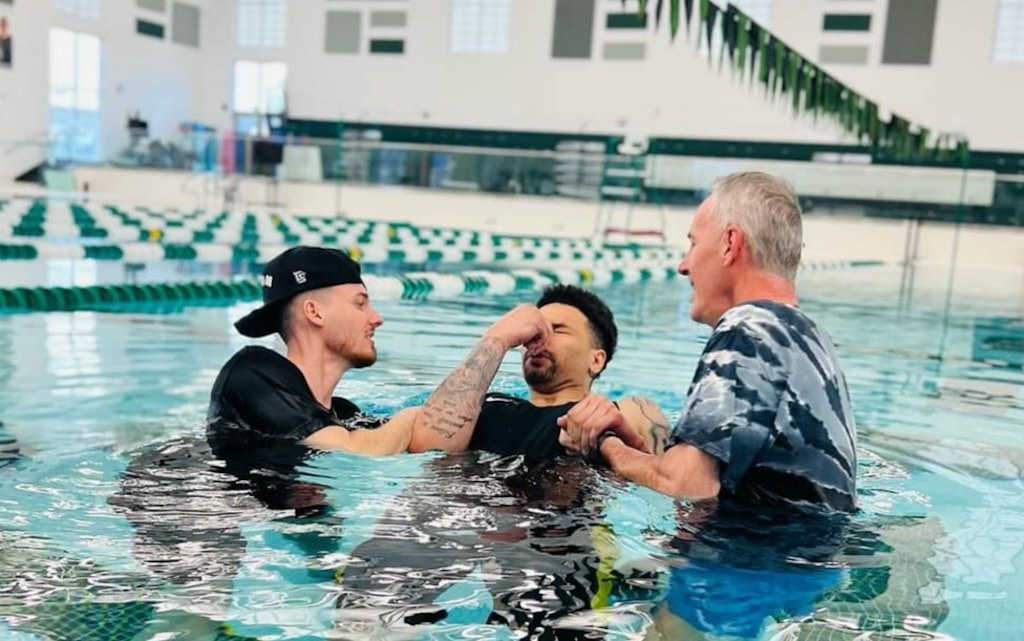 This is shaping up to be another great week in the Crossroads District. On April 11-13, 2024, College Wesleyan Church will host their first-ever Marketplace Multipliers Conference. This conference is designed to empower and equip ordinary people to effectively live out their faith in the workplace. You will hear from clergy and laity alike—practitioners on the front lines of this movement. You can still register for the event at this website. 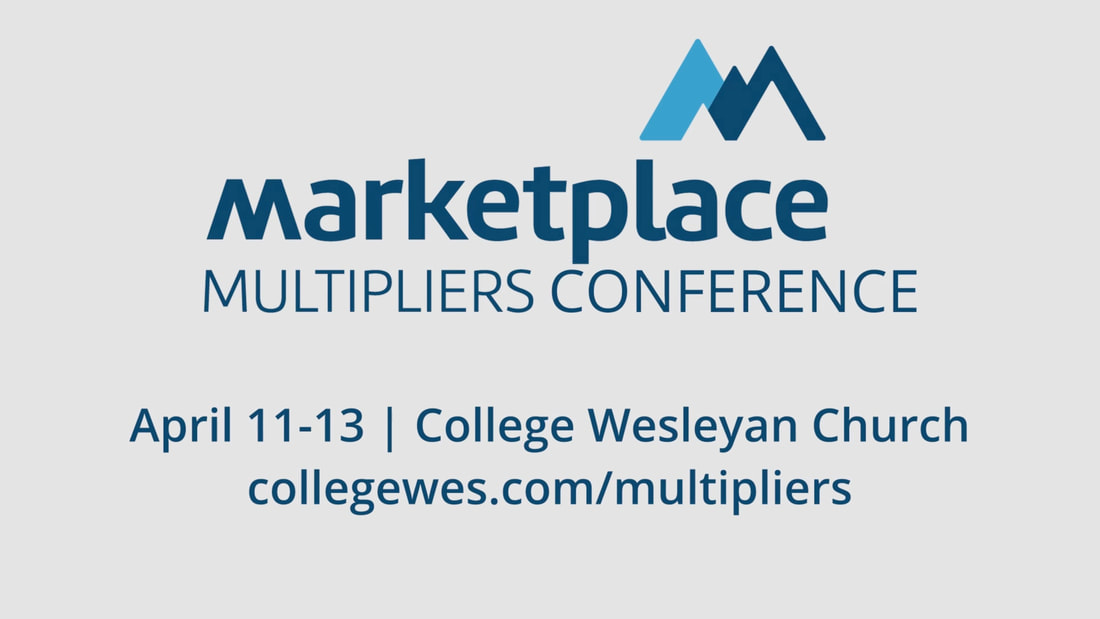 You are also invited to the OCHLOS Conference, April 13-14, 2024 at Southview Wesleyan Church in Indianapolis. Speakers include Santes Beatty, Director of Next Gen for The Wesleyan Church; Yamil Acevedo, Executive Vice President of Wesley Seminary; Zachary Szmara, Executive Director of Immigrant Connection and Pastor of the Bridge Church in Logansport; and Meg Puello, Executive Director of ASPYRE Inc. Click Here for more information and registration. 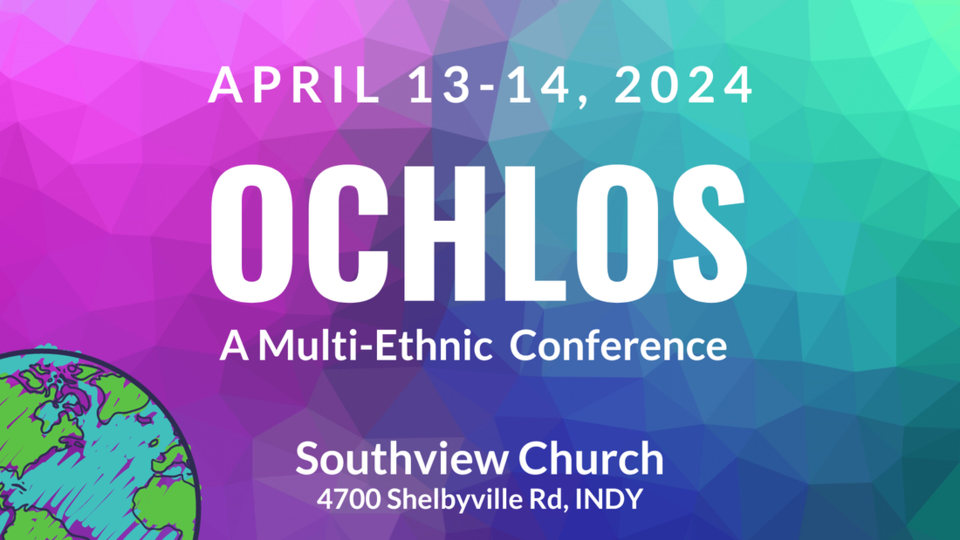 Calling on children’s ministry workers! Don’t miss the Crossroads KidMin Huddle, Saturday, April 20th, at Brookhaven Wesleyan Church in Marion. For $25, you’ll enjoy a full day of learning and networking with fellow children’s ministry leaders, volunteers, and pastors. A continental breakfast and lunch is included in your registration. Stephanie Rhyne, Kids Ministry Catalyst for The Wesleyan Church and content creator for David C. Cook (Wonder Ink), will be our guest speaker. Lead pastors who register to attend can bring two additional volunteers for free! Register at this link. 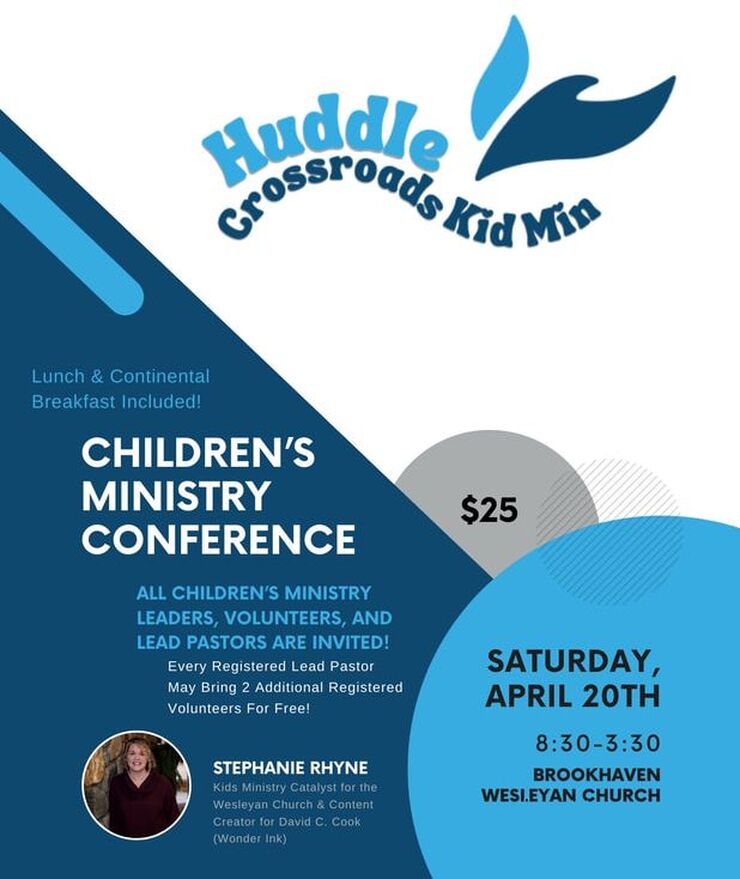 Save the date! Our 2024 Crossroads District Conference will be held at Lakeview Wesleyan Church in Marion on Saturday, June 29th. Mark your calendars now and make plans to join us! Keep on making a difference in the cause that counts for eternity! Your servant in Christ, Mark Gorveatte Crossroads District Superintendent Here's the second installment of our special Easter Team Update! Pastor Noah Farmer and the team at Eastview Wesleyan in Gas City were overjoyed to welcome 363 attendees on Easter Sunday, with 31 public confessions of faith. The excitement continues as they look forward to baptisms coming up on April 7th and 14th. The opening of their new Lobby Café was a highlight, serving the Easter congregation and offering a space for fellowship and celebration. 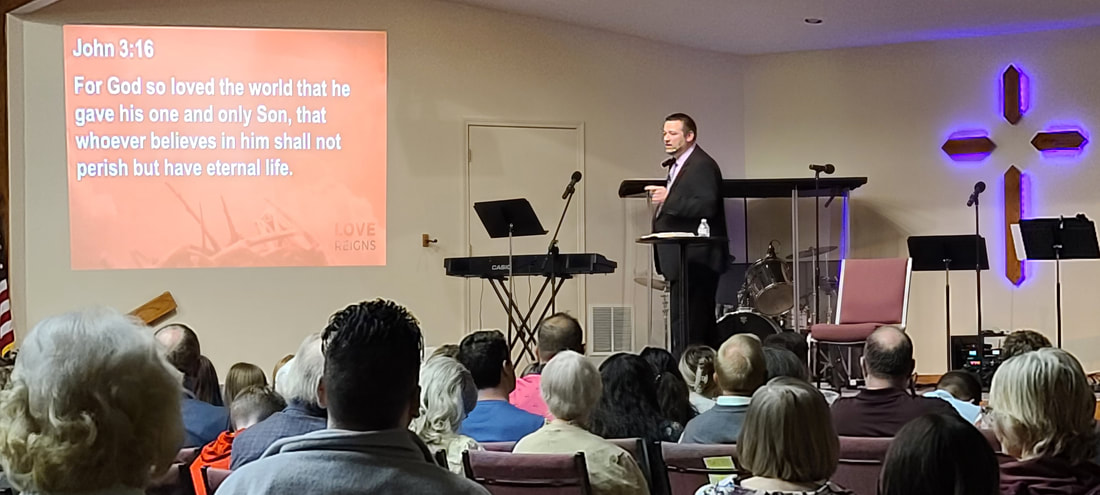 Pastor Josh Fox and the team at Hartford City Wesleyan Church provided the following report: "It is always so amazing to celebrate the collective joy that is unique to Easter through our worship, prayers, and the message. We also had an Easter Egg Hunt for families with children after the morning gathering. God is growing our church and touching hearts!" 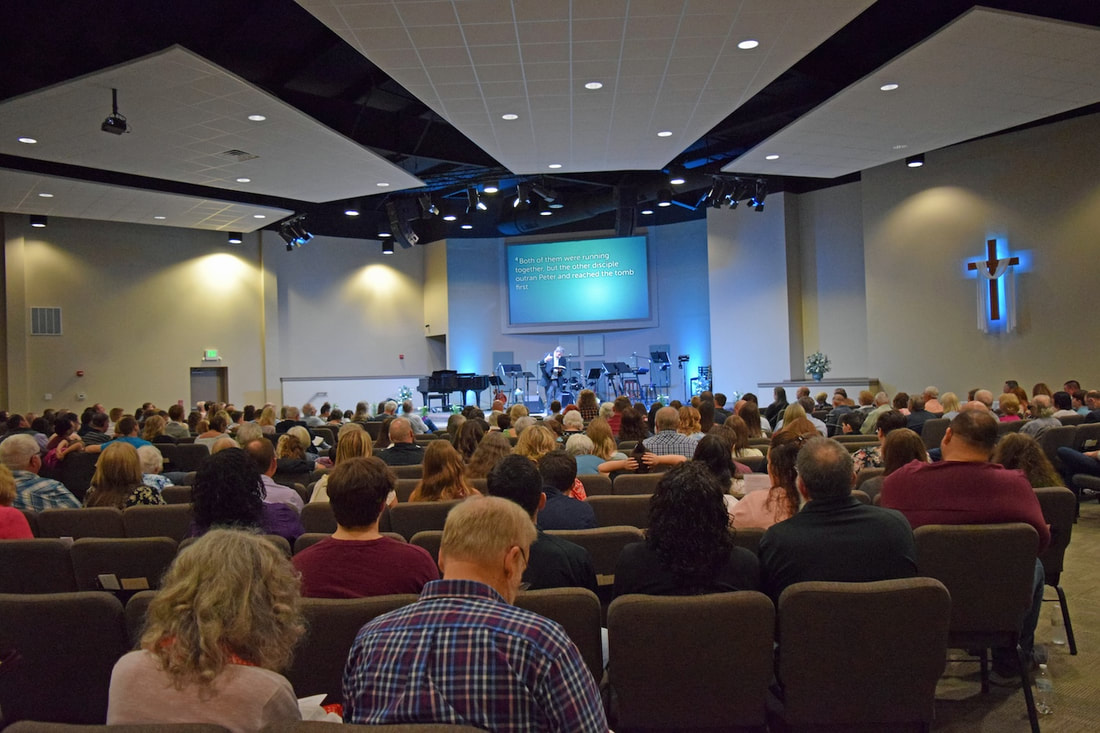 RE.THINK Church, led by Pastor Marc Ulrich, navigated the challenge of Easter falling between spring breaks. They hosted their third Good Friday service with 48 attendees and saw 85 people join them on Easter Sunday. A community egg hunt followed the service on Sunday and provided meaningful connections among families. Pastor Theo Griffin and the team at Brown's Chapel Wesleyan celebrated Good Friday with a service titled "The Seven Last Words of Jesus," focusing on remembrance and communion. Easter Sunday was marked by a breakfast and a well-attended service, with four individuals responding to the call to embrace the resurrected Christ. 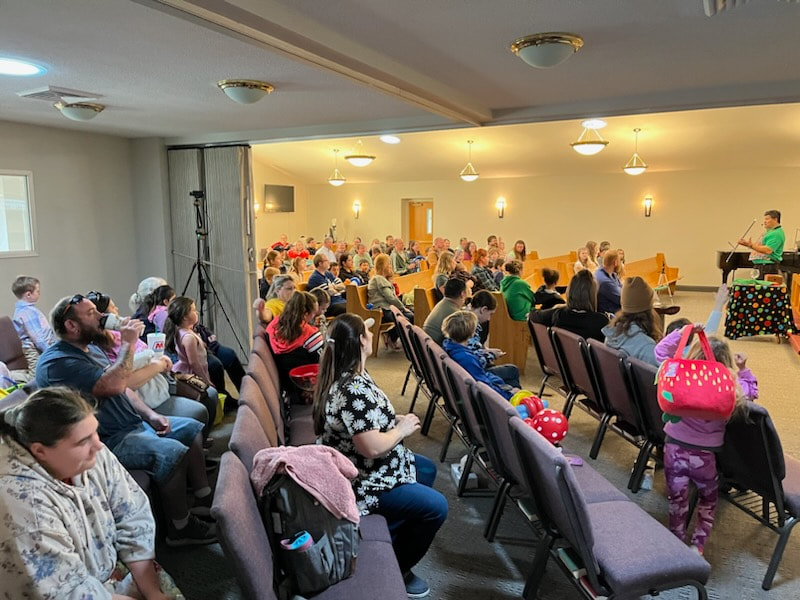 Pastor Martin Furrow and the team at The Cross in Rochester hosted a Maundy Thursday foot-washing ceremony. The Good Friday service, led by Pastor Richard Ladouceur, featured readings by young couples and their children with 135 in attendance. Pastor Martin also reported 292 on Easter Sunday, including a baptism! Praise the Lord! 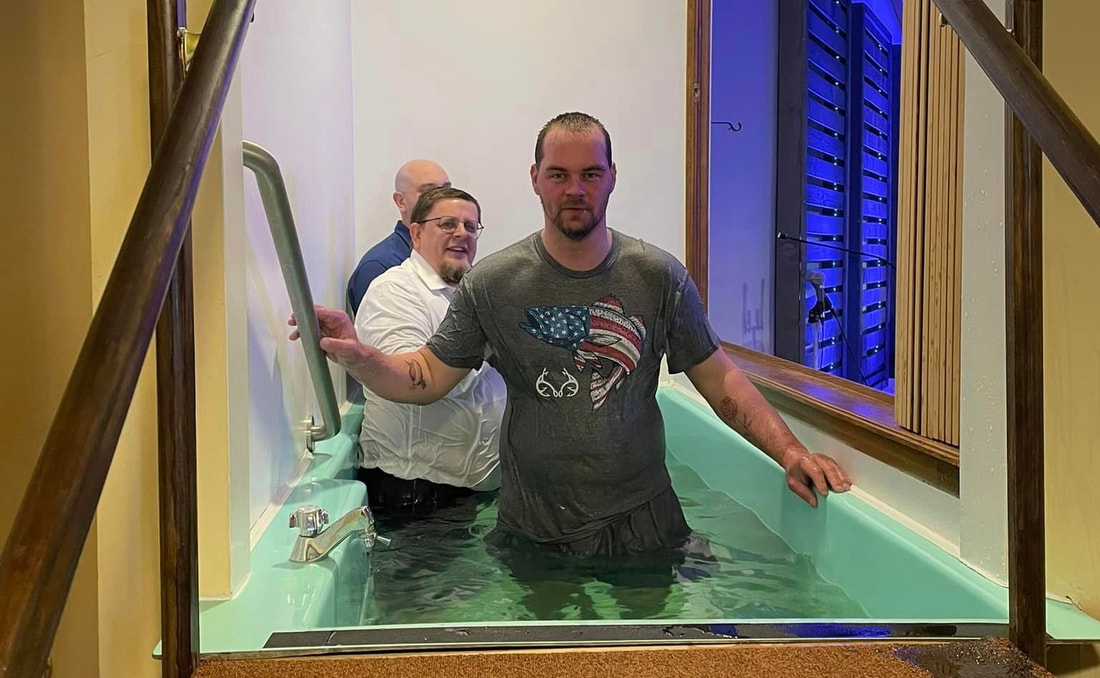 Rev. Dr. Chris Williams and Lakeview Wesleyan Church in Marion celebrated 9 baptisms and 3 reaffirmations of baptism! 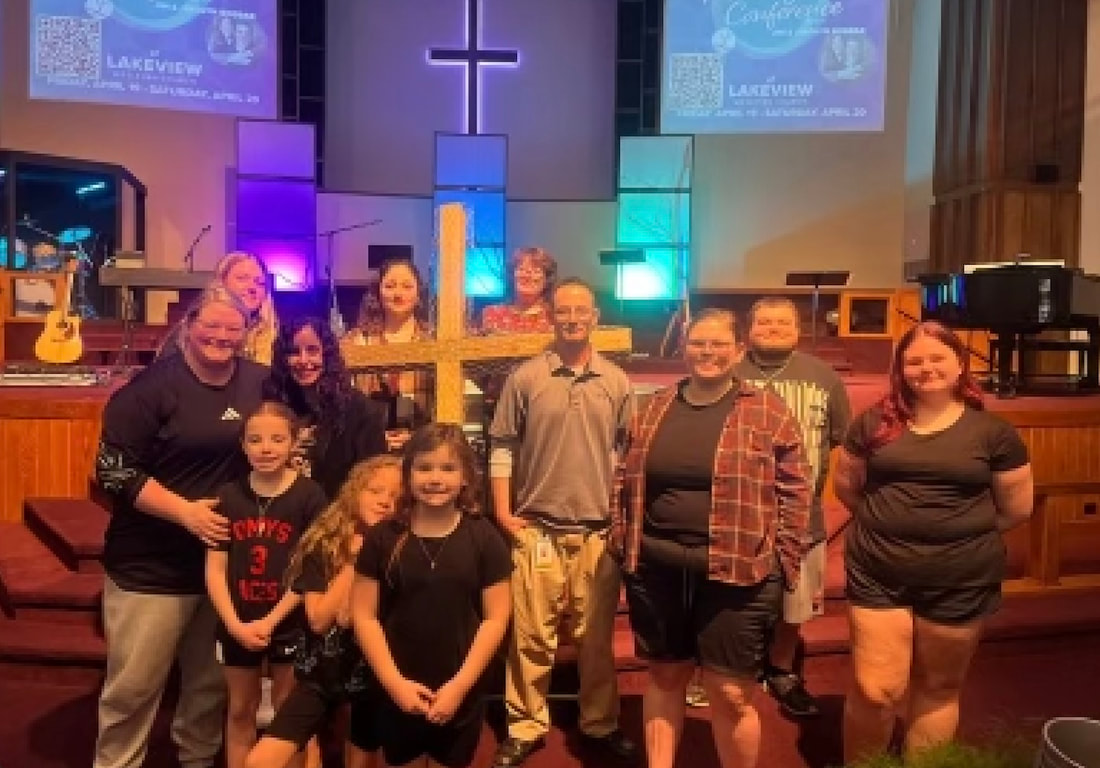 Pastor Jacob Gibson and the team at LifeSpring Church in Richmond celebrated 14 baptisms across both campuses! 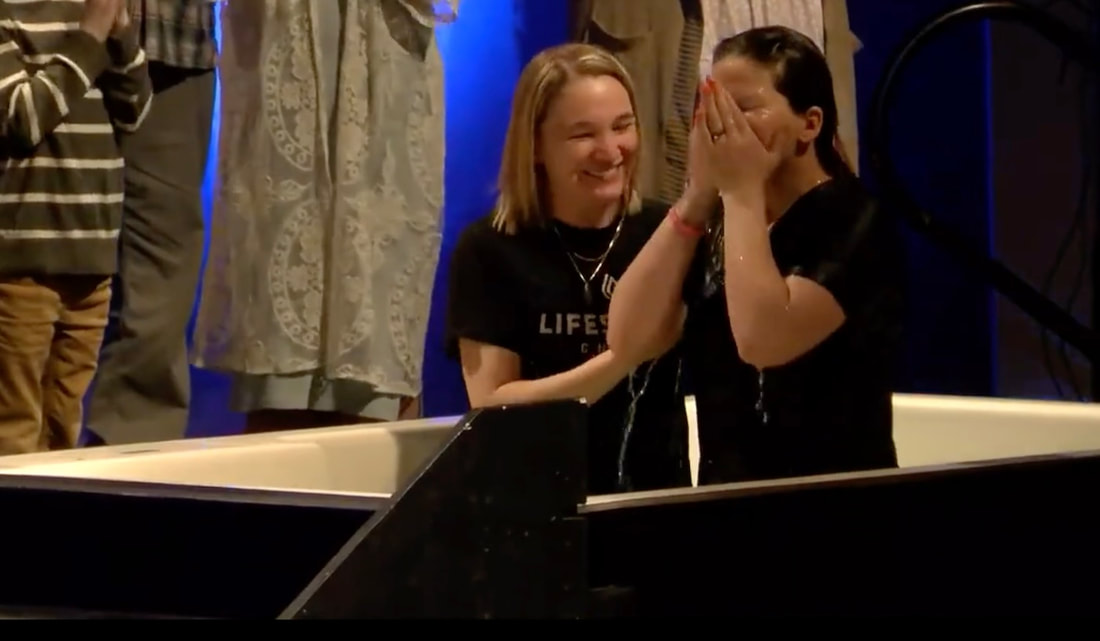 Pastor Sam Maddox and the Albion Wesleyan team celebrated 1 baptism and 1 more receiving Jesus as Savior! Pastor Mike Henry and Inspire Church in Fort Wayne welcomed 61 attendees and celebrated 3 baptisms, a clear sign of new beginnings, making this Easter a truly special time for the Inspire team. 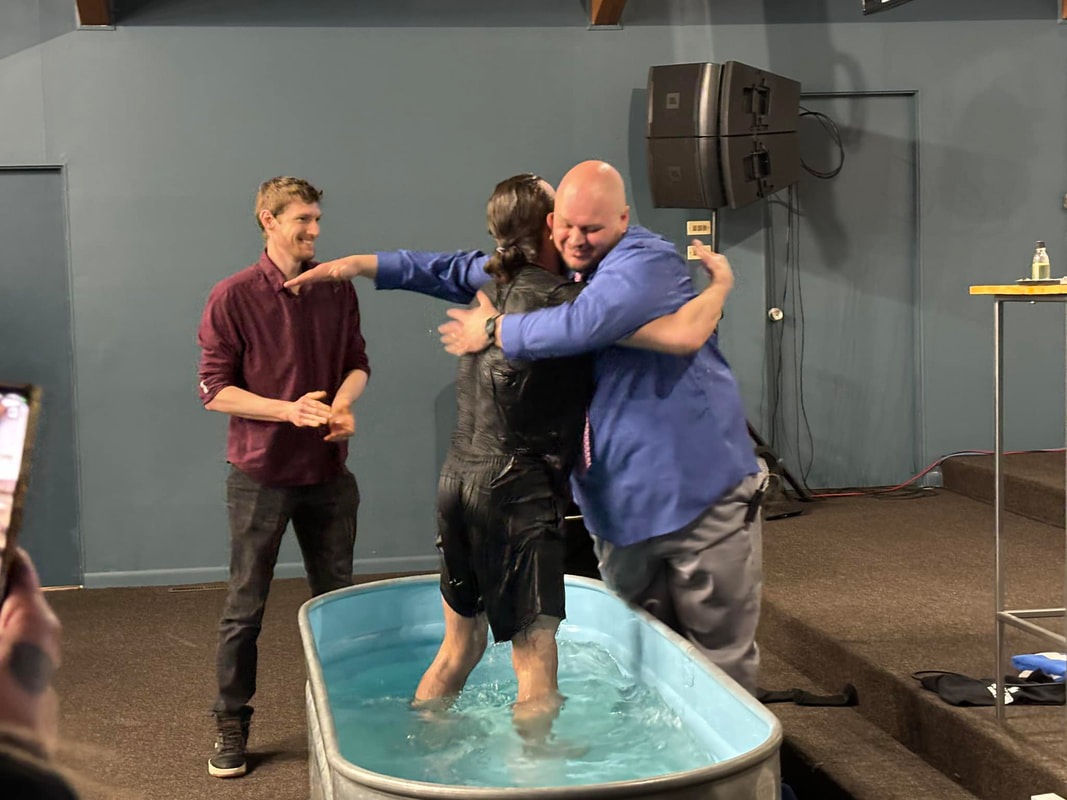 Rev. Dr. Steve DeNeff and the team at College Wesleyan Church joyfully celebrated 6 baptisms and 1 confirmation of baptism! Thanks be to God! 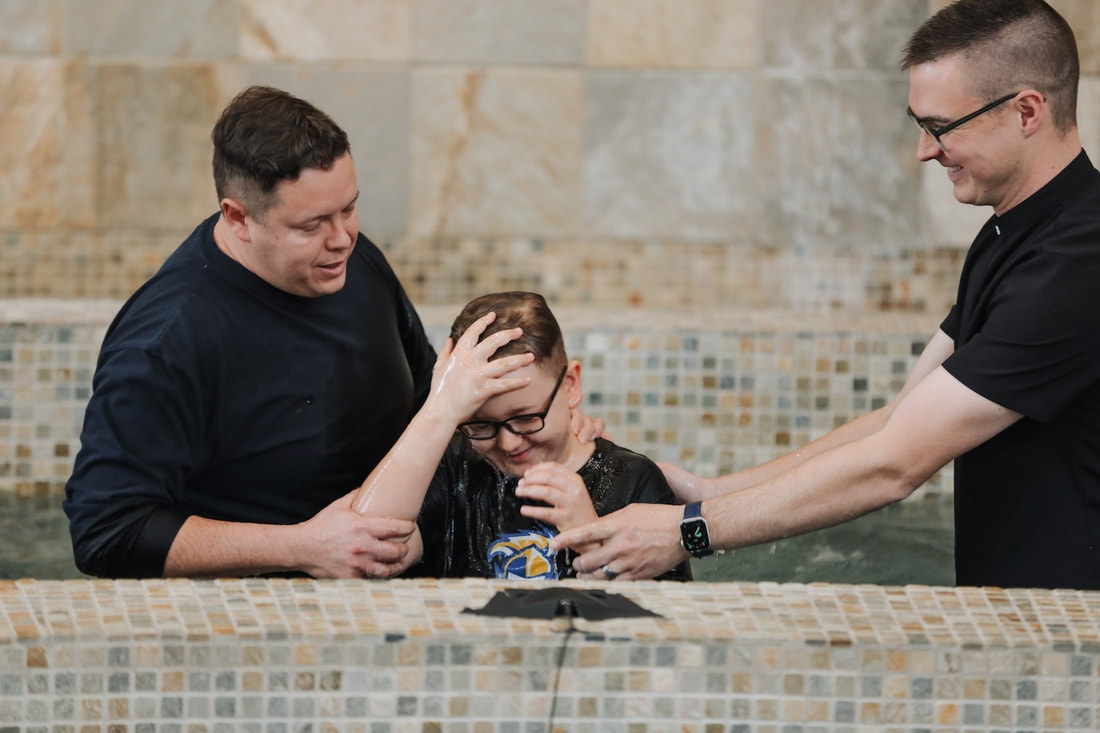 Pastor Shane Wilson and New Hope Wesleyan in Columbia City celebrated 8 baptisms! Praise the Lord! 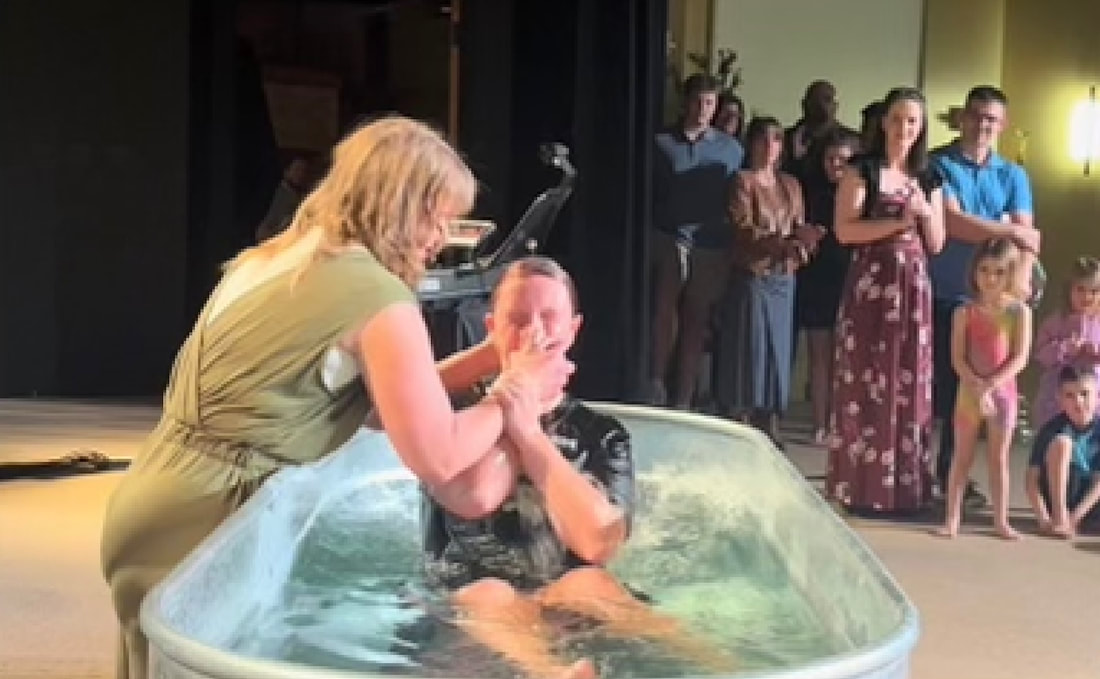 Pastor Don Bayne and the team at New Carlisle Wesleyan celebrated 3 baptisms! Praise God for more lives #MadeNew! 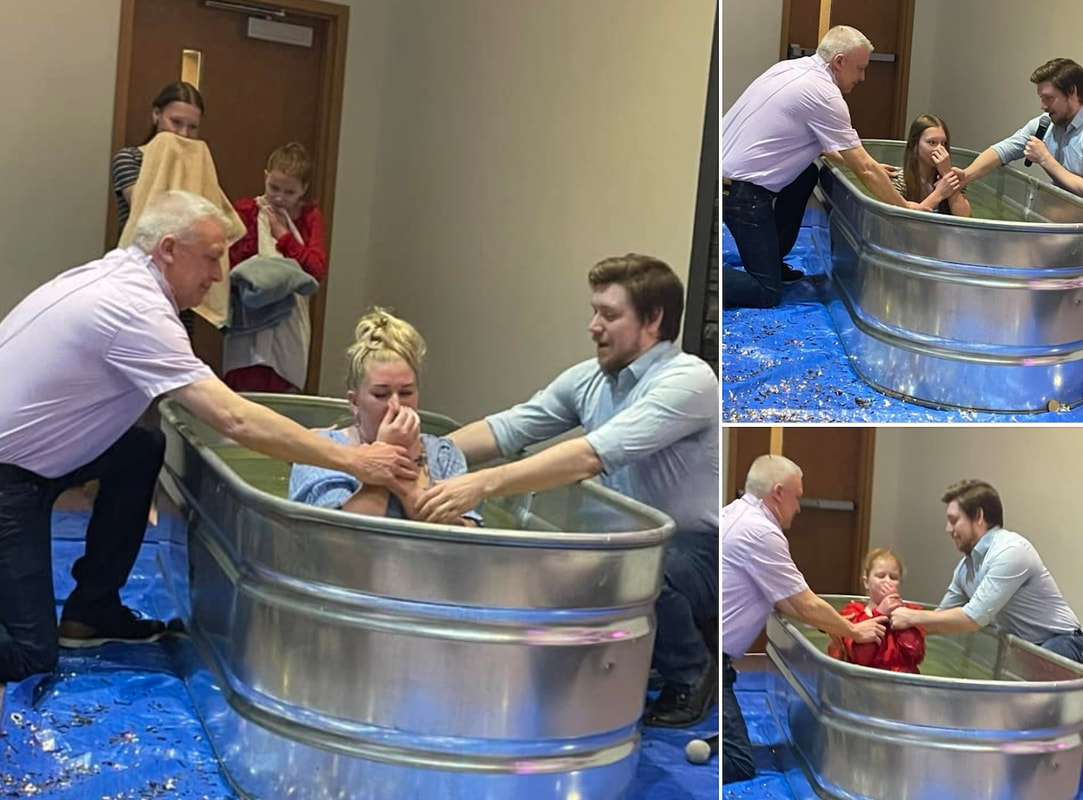 Pastor Allen Gross and United Family Wesleyan Church celebrated 4 baptisms and over 100 in attendance! God is on the move in Cicero! 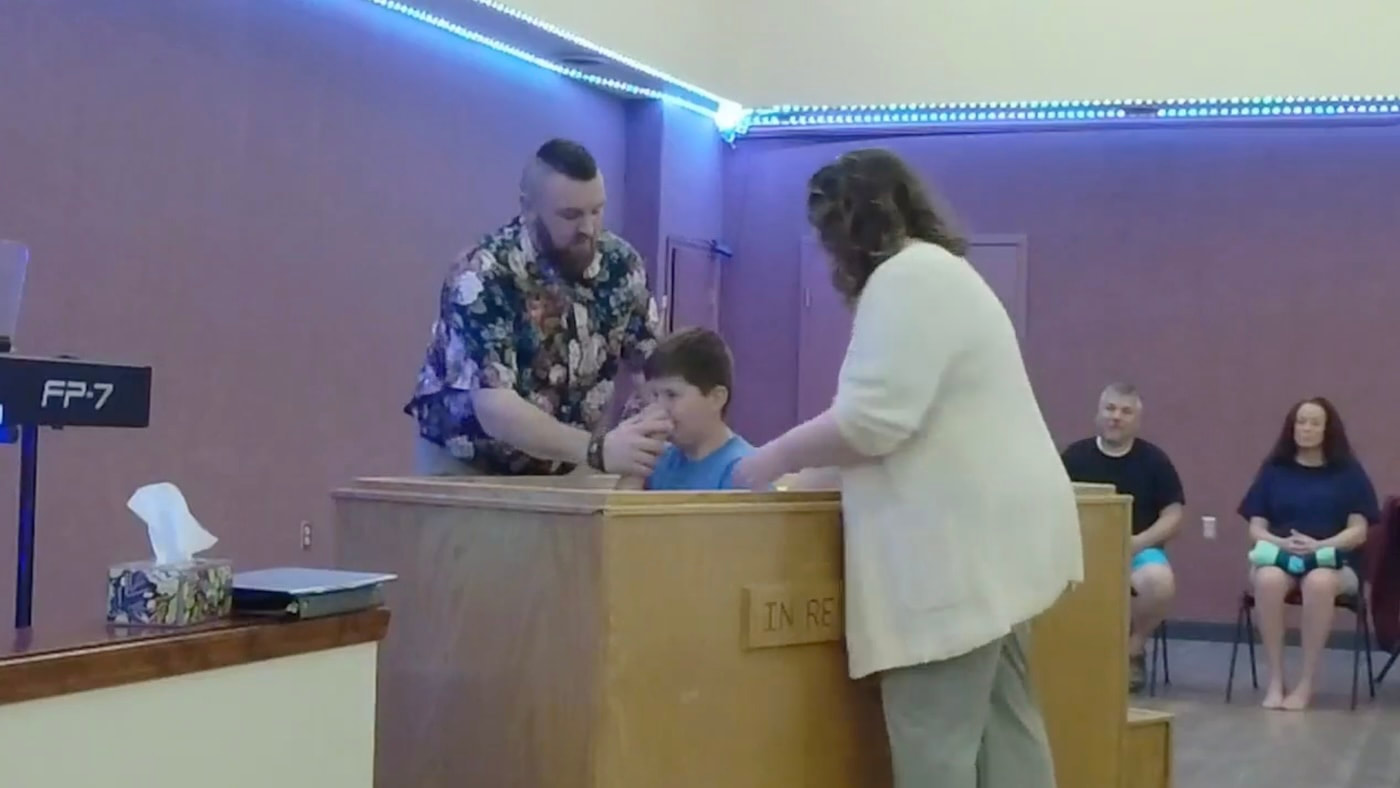 Rising Hope celebrated a joyful Easter with 312 attendees, spanning from their main campus in Muncie to their "Cafe Con Dios" campus in Sevilla, Spain. The joy was amplified by four individuals making decisions to follow Christ. With four baptisms on the horizon, it's a time of celebration and gratitude in Muncie! Keep sending your Easter stories and updates to [email protected] so we can continue celebrating together! Easter 2024 was a day of eternal impact for many here in the Crossroads District! We’ll be offering a special Easter edition later in the week so more churches have an opportunity to share their praise reports, but early updates are very encouraging. We’d love to hear from your church. Just send us a brief paragraph (at [email protected]) with the details and share a few photos. 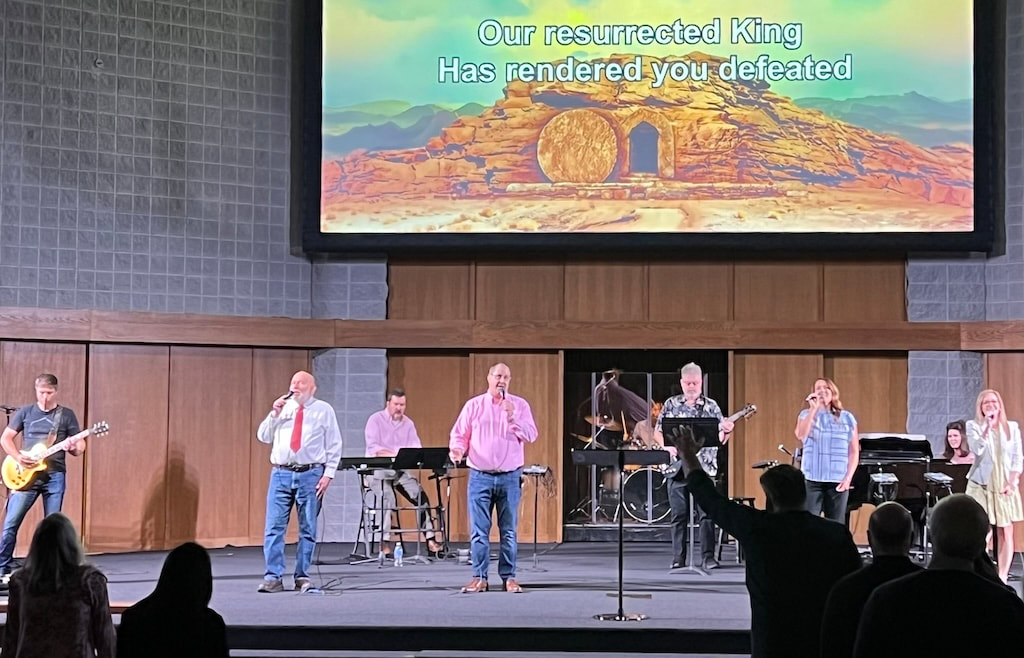 Easter Sunday, March 31, was a wonderful opportunity for me to drop in on four of our congregations in the northern part of our Crossroads District. My first stop was with Rev. Chris Taylor and the team at Plymouth Wesleyan Church. This was the first Easter for Pastor Chris and the church is responding well to his ministry. Attendance is rebounding and PWC just updated their worship center with new carpeting and video to welcome guests for Easter. 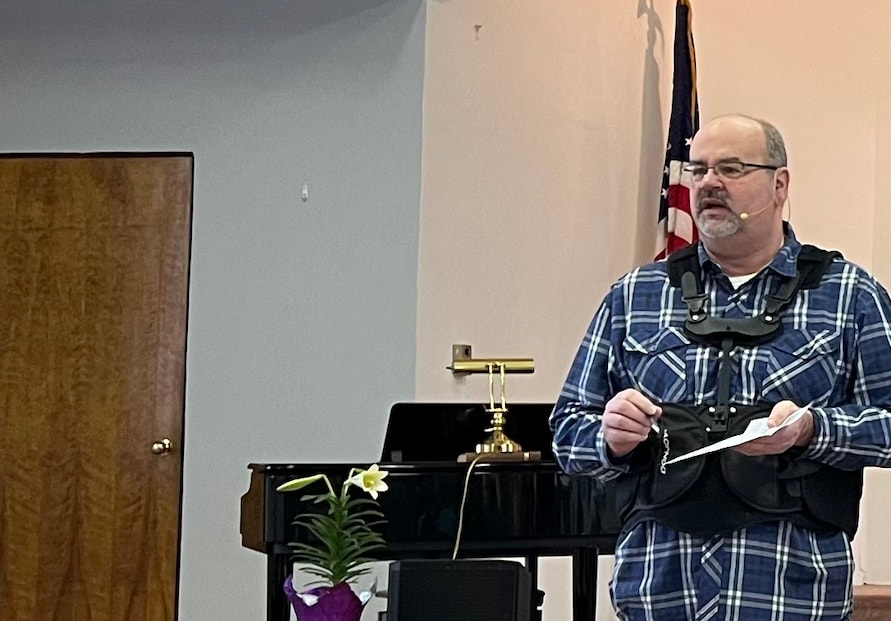 Rev. Greg Holmes, pastor at Sonlight Fellowship in South Bend, was able to preach on Easter Sunday morning. This is an answer to prayer since he fell on ice earlier this winter resulting in a concussion and fractured back. He will continue to be in a back brace as he heals but what a joy to be with him, his family, and the Sonlight congregation on Easter. Thank you to our churches who have been praying and also responded generously to the financial challenge. 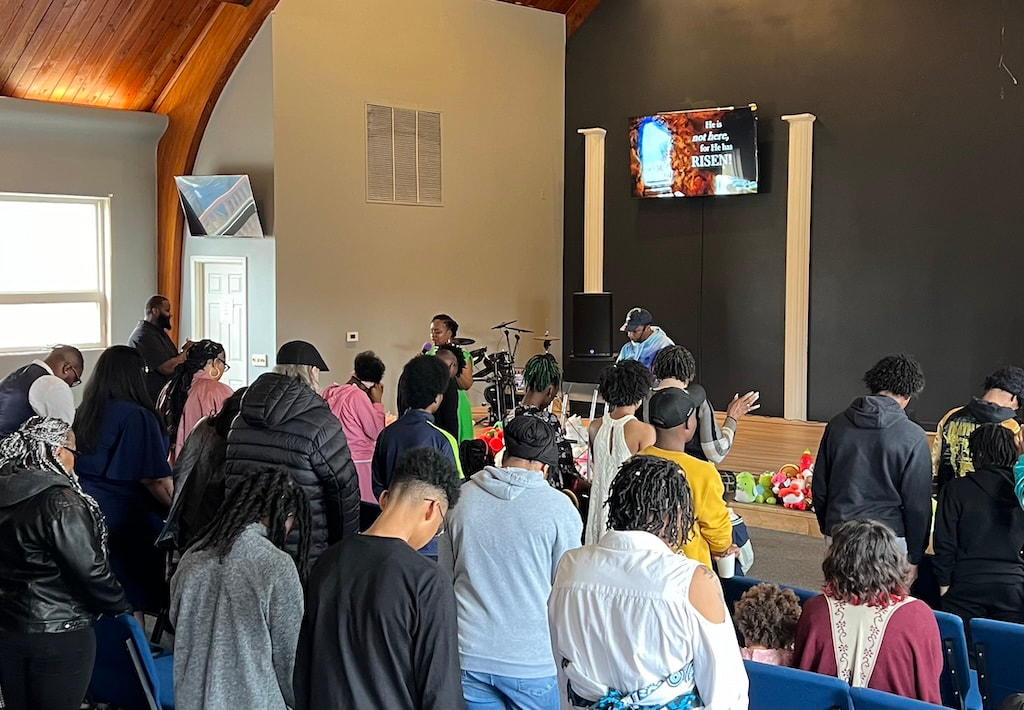 Pastor Terry and Lennaire Vaughn are doing an incredible job building a multi-ethnic ministry known as The Bridge Urban Church serving the greater South Bend area. I was able to join them for their 12:00 p.m. worship service which featured hip-hop music, anointed praying, and powerful preaching. Keep praying for The Bridge as they focus on developing disciple-makers. 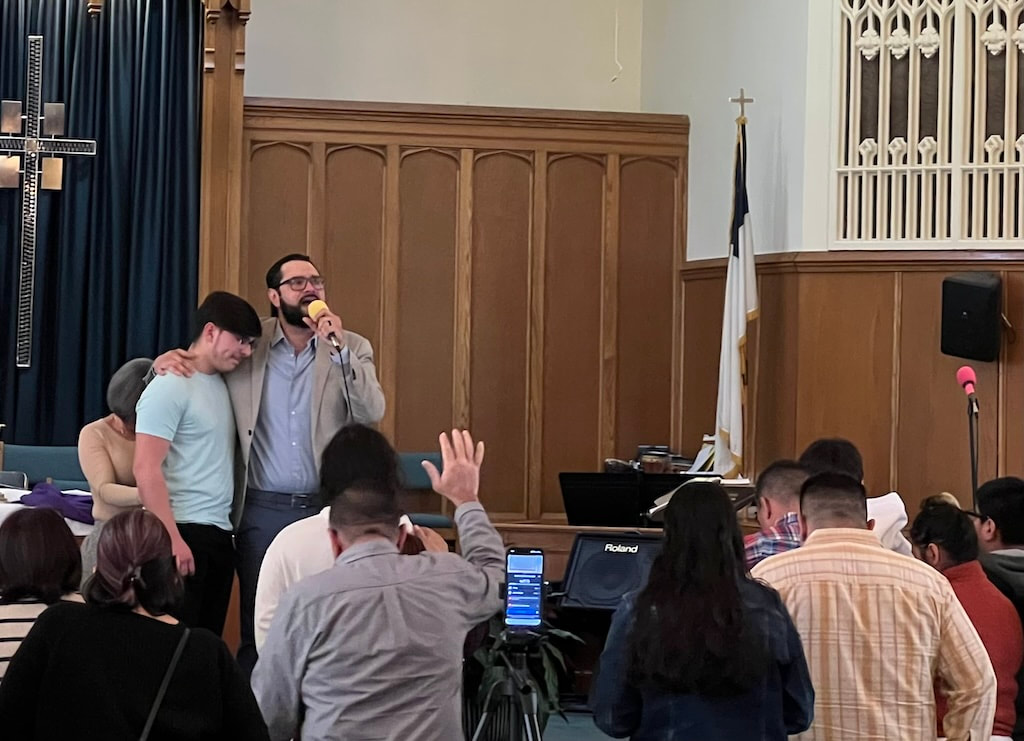 My last stop of the day was with Cielos Abiertos Iglesia Wesleyana in Elkhart. Led by Lay Supply Pastor Jose Cardenas, this congregation has a growing ministry to the primarily Venezuelan refugee community. I was encouraged by the beautiful spirit of prayer and worship. Jose welcomed me warmly and I was glad to bring greetings from our district team. 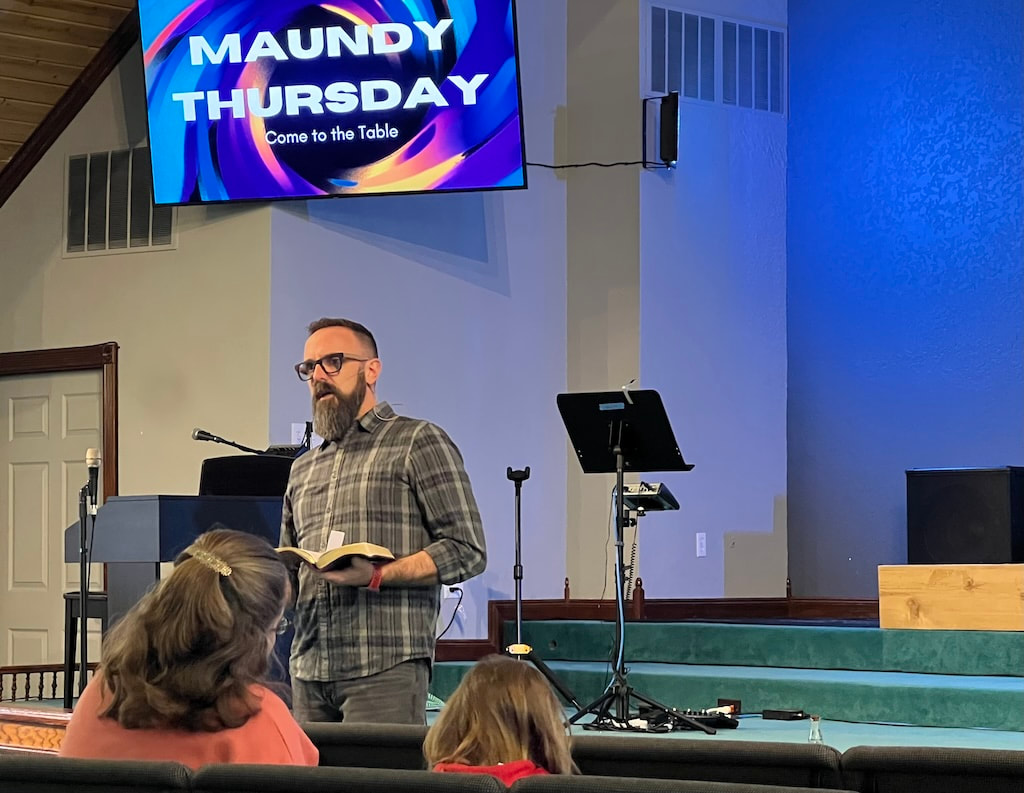 Pastor Zach Working and his team at Hope Rising Church in Huntington offered a Maundy Thursday evening service again this year. It was good to worship with them and I was glad to see the significant improvements they made to their front entry. Hope Rising was one of the churches award a property improvement project challenge grant last year. Well done! 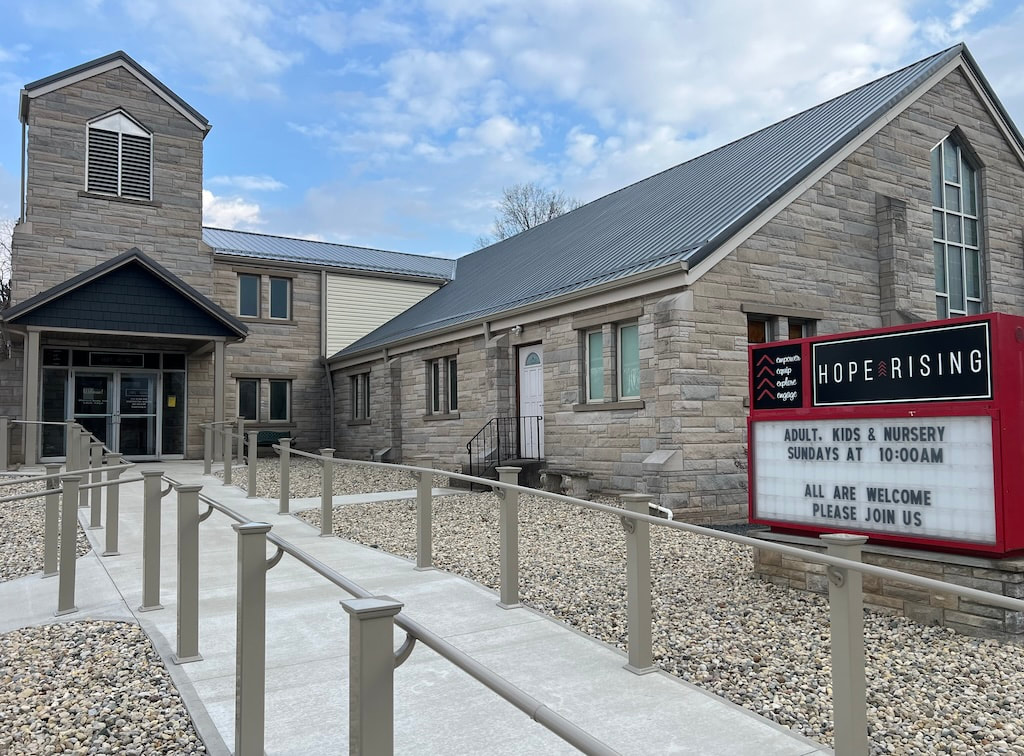 Friday evening, I joined Rev. Joshua Fox and the team at Hartford City Wesleyan Church for their Good Friday service. It was a delightful surprise to hear Dr. Ed Love, Executive Director of Church Multiplication and Discipleship for The Wesleyan Church, bring the message from God’s Word. Twenty years ago, I sat with Ed and Emily Love in their small apartment at Asbury Theological Seminary and dreamed with them about church planting. It is wonderful to see how God has blessed their family and ministry as they’ve stepped out in faith. 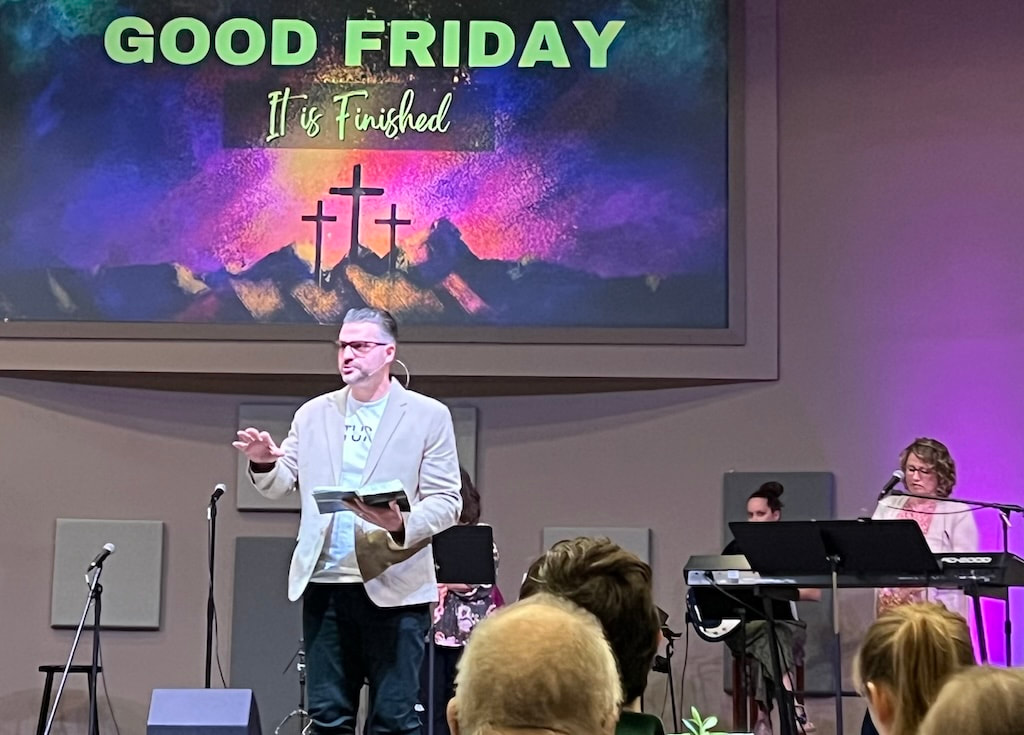 Saturday morning, I dropped in on Rev. Gary and Karen Bingham at Hillside Wesleyan Church in Marion. They were preparing to welcome families in their neighborhood for an Easter egg hunt and gospel presentation. Pastor Gary and Karen are ministry heroes who have served effectively at Hillside Wesleyan Church since 1992. 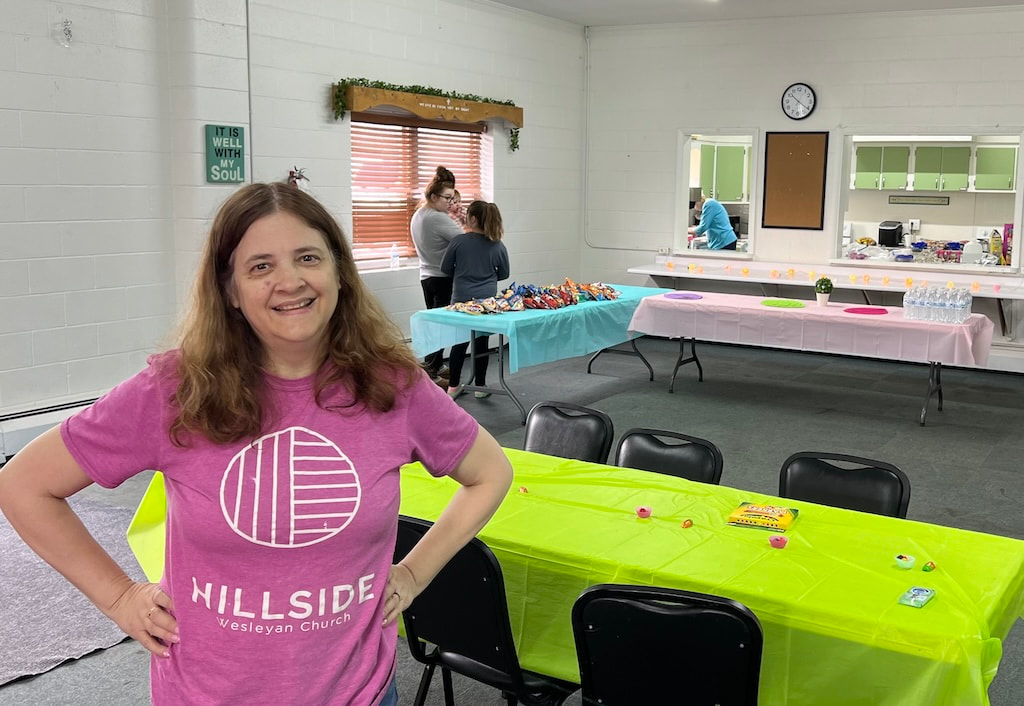 Rev. Rob Tippey has been leading the team at New Journey Church in Wabash since 2020 (he started in the middle of the pandemic). I enjoyed connecting with the New Journey team members as they welcomed families for their Easter egg hunt. The young adult ministry launched their new Italian soda fundraising project for community outreach events. 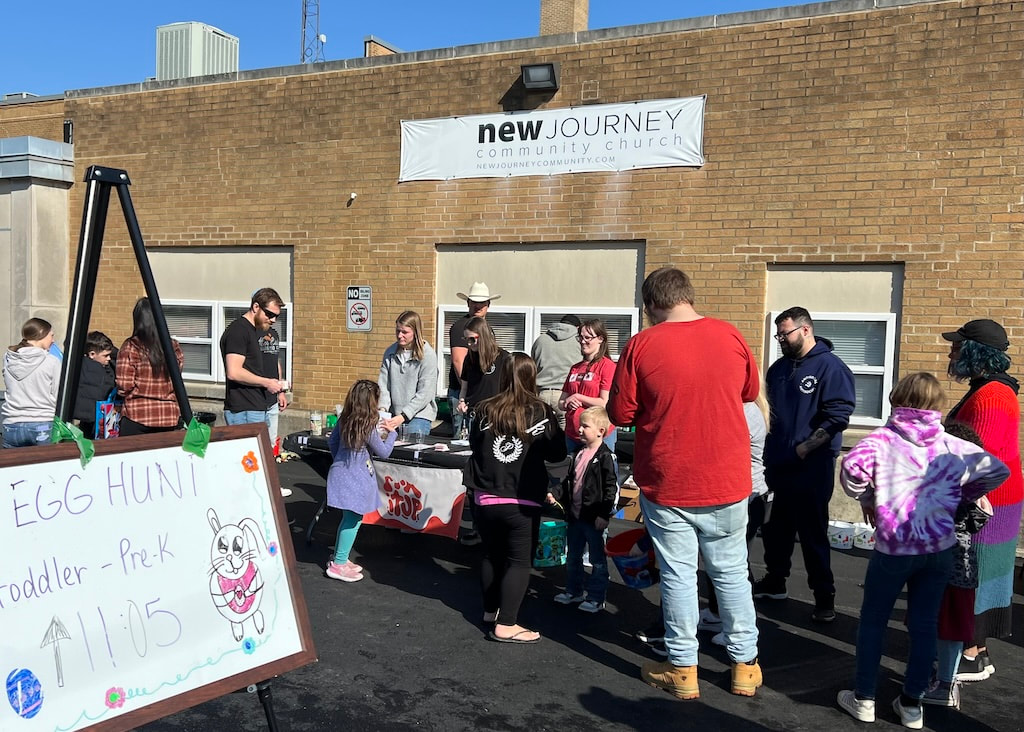 My last stop of the day was at the The River Church in Marion for the 4:30 service, the first of five weekend services. Pastor Matthew Trexler brought the Easter message but with a heavy heart knowing that his father was just hours away from eternity. Early Monday morning, Larry Trexler entered into his eternal reward. Thank you for joining us in prayer for the Trexler family. We will share funeral arrangements with our pastors as more information is available. 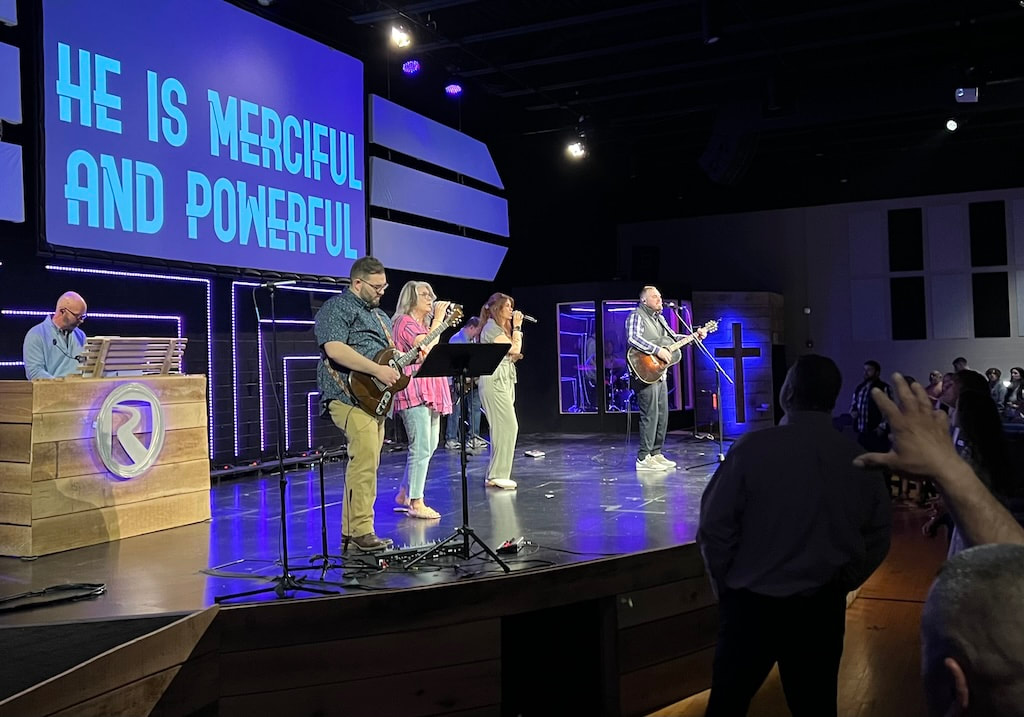 You won’t want to miss the special Easter edition of our Team Update on Friday which will feature every praise report we receive from our churches by Wednesday, 5 p.m, but here’s a sneak preview with just the first church reporting. Pastor Andy Jellison and the team at Lifeway Wesleyan Church in Fort Wayne welcomed more than 300 for worship and celebrated a record of 14 baptisms. Praise the Lord for lives being #MadeNew by the power of the Cross and Resurrection of our King! 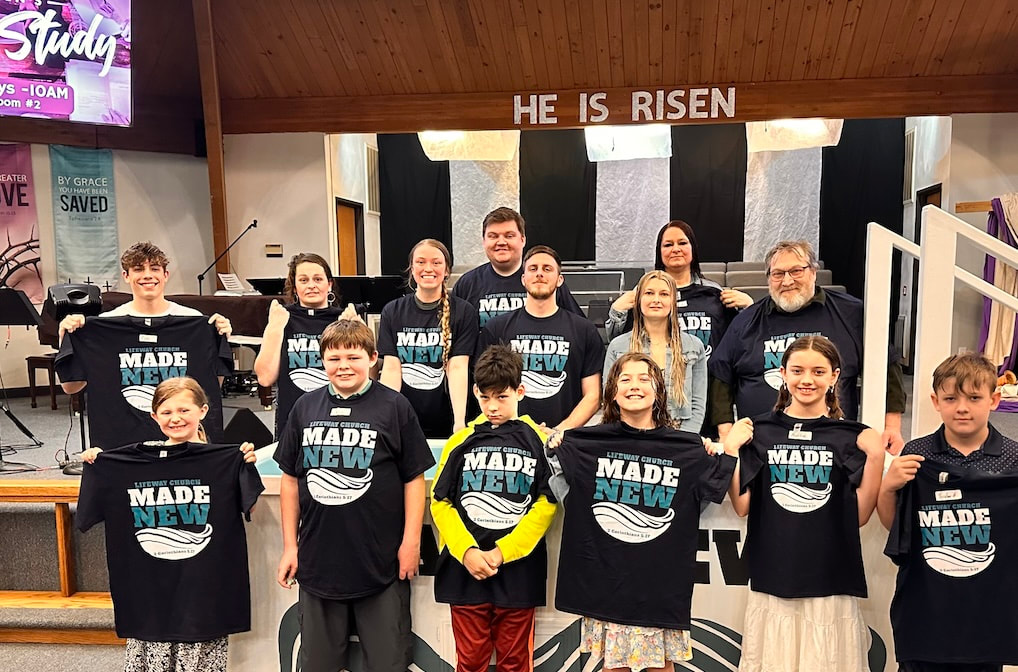 On April 11-13, 2024, College Wesleyan Church will host their first-ever Marketplace Multipliers Conference. The goal of this conference is to inspire and empower ordinary people to effectively live out their faith in the workplace. You will hear from clergy and laity alike—practitioners on the front lines of this movement. You can learn more about the conference and register for the event at this website. 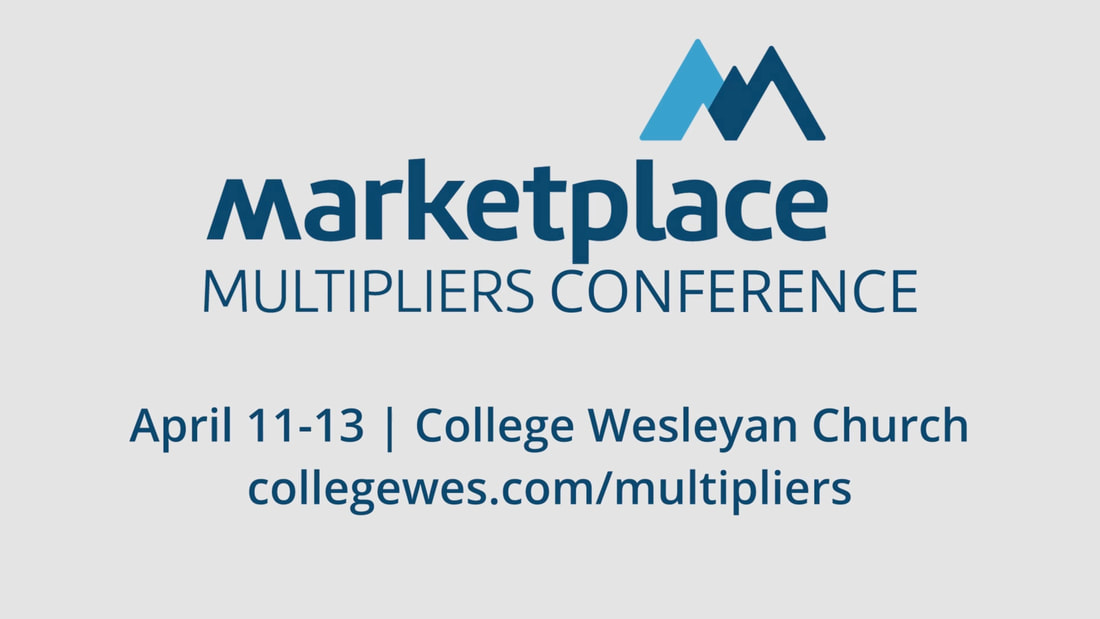 You are invited to join us for the OCHLOS Conference, April 13-14, 2024 at Southview Wesleyan Church in Indianapolis. Speakers include Santes Beatty, Director of Next Gen for The Wesleyan Church; Yamil Acevedo, Executive Vice President of Wesley Seminary; Zachary Szmara, Executive Director of Immigrant Connection and Pastor of the Bridge Church in Logansport; and Meg Puello, Executive Director of ASPYRE Inc. Click Here for more information and registration. 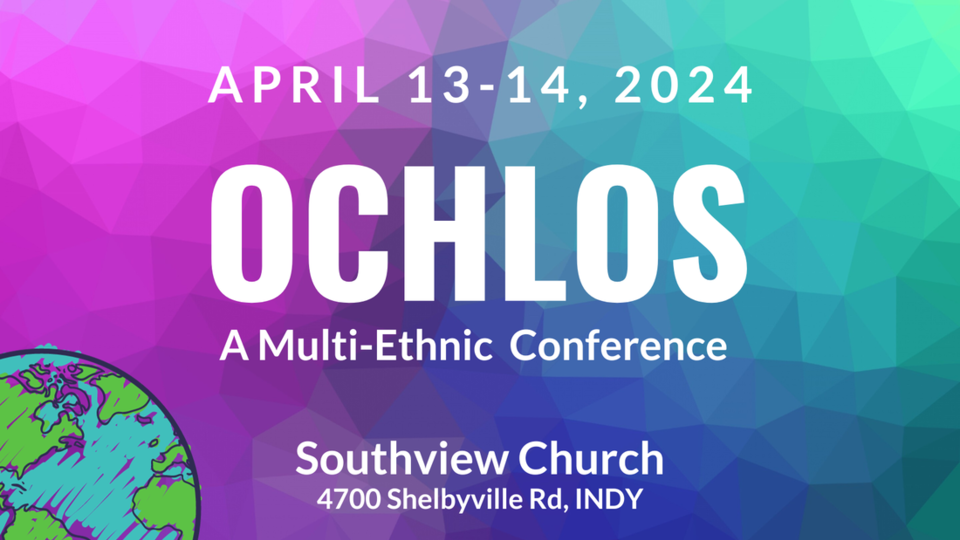 Join us for the Crossroads KidMin Huddle, Saturday, April 20th, at Brookhaven Wesleyan Church in Marion. For $25, you’ll enjoy a full day of learning and networking with fellow children’s ministry leaders, volunteers, and pastors. A continental breakfast and lunch is included in your registration. Stephanie Rhyne, Kids Ministry Catalyst for The Wesleyan Church and content creator for David C. Cook (Wonder Ink), will be our guest speaker. Lead pastors who register to attend can bring two additional volunteers for free! Register at this link. 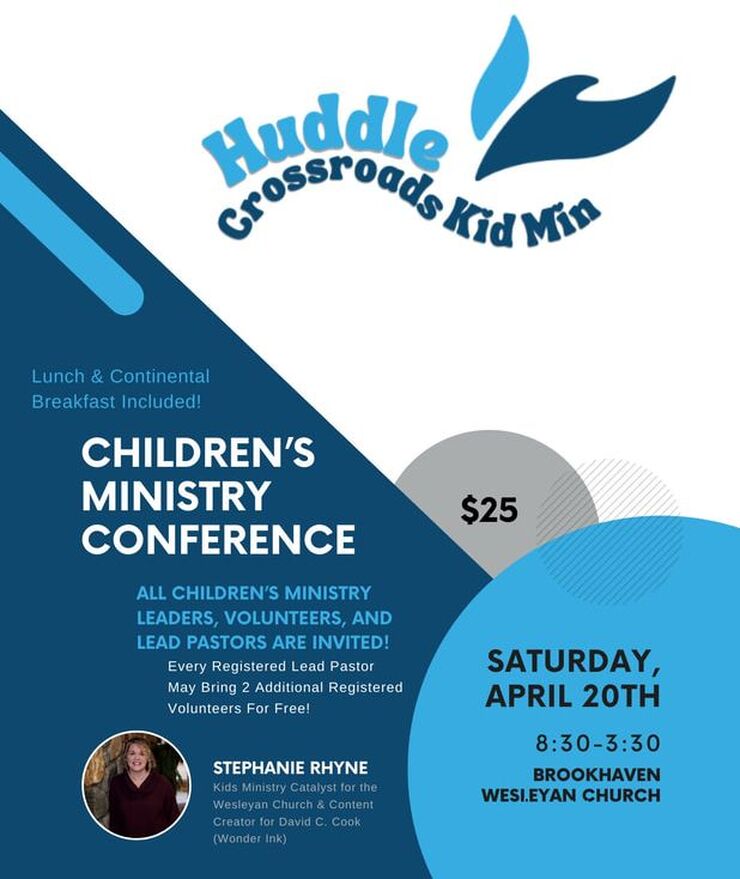 Save the date! Our 2024 Crossroads District Conference will be held at Lakeview Wesleyan Church in Marion on Saturday, June 29th. Mark your calendars now and make plans to join us! Keep on making a difference in the cause that counts for eternity! Your servant in Christ, Mark Gorveatte Crossroads District Superintendent 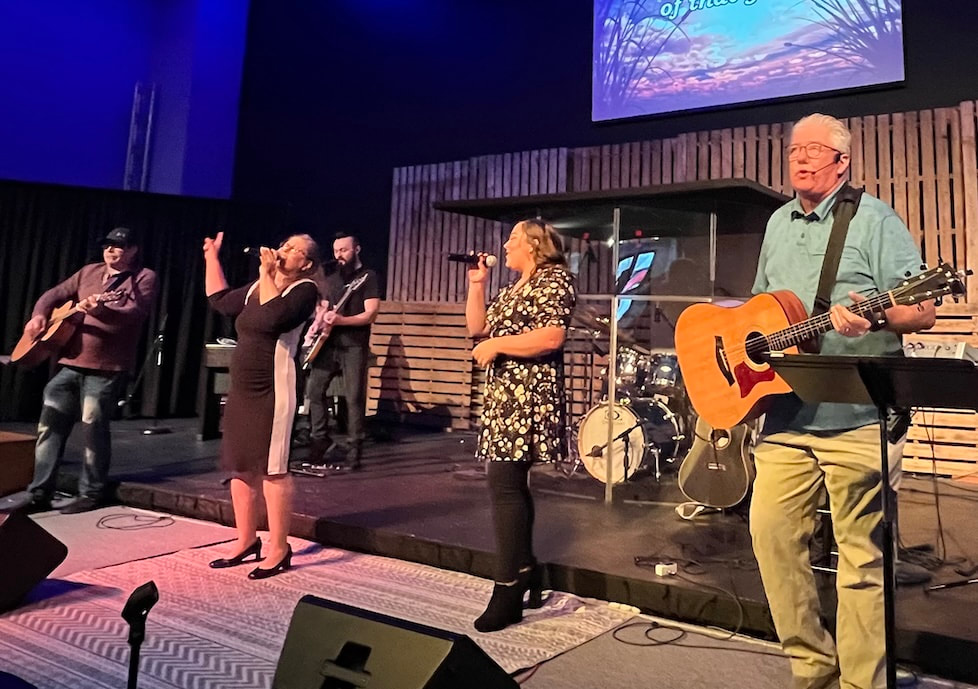 Sunday, March 24, I had the privilege of preaching at Daybreak Church in Lapel. Pastor Andy Cole was running a fever of nearly 102 degrees on Saturday evening so when he called I was glad to rearrange my schedule to pinch-hit. Alex Small stepped up to lead the worship team and Rev. Kevin Bragg, Assistant Pastor, served as host for the gathering. It was good to catch up with Rev. Naomi Small before the service. She and Alex joined the staff at Daybreak a few weeks ago. Rev. Small is enjoying rebuilding the children’s ministry while Alex helps with youth and worship. 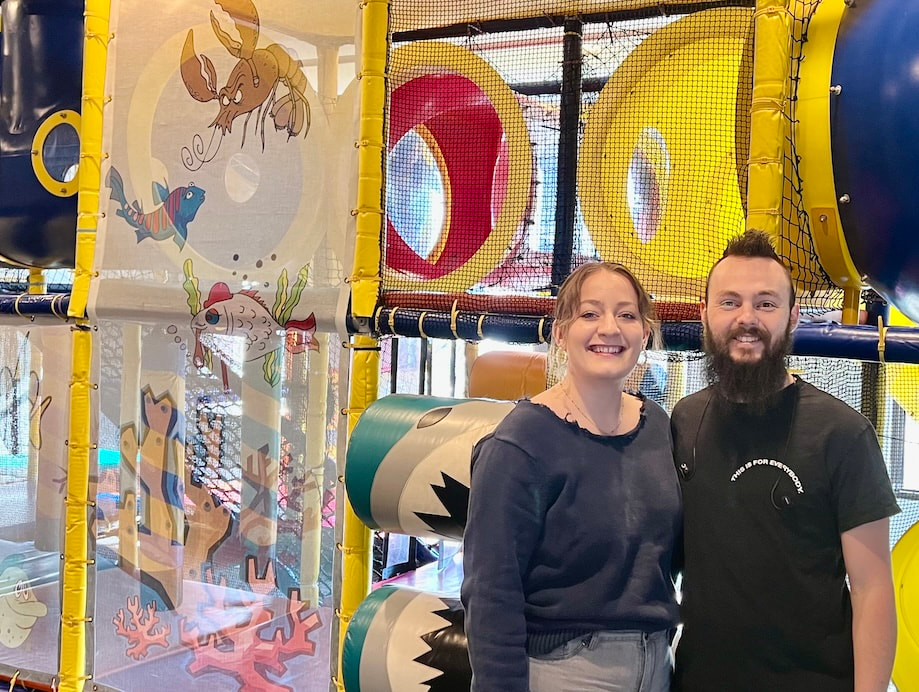 God has blessed Pastor Andy and Elicia Cole’s leadership in revitalizing the ministry at Daybreak. The church, which averaged 79 in worship last year, has baptized 29 people in the last two conference years. Pastor Andy’s fever broke Sunday morning and he’s excited to be back preaching on Easter Sunday. Yesterday afternoon I received great news from Pastor Aldean Pablo about two Palm Sunday baptisms at ARISE Church in Roanoke. They also welcomed 11 first-time guests yesterday! 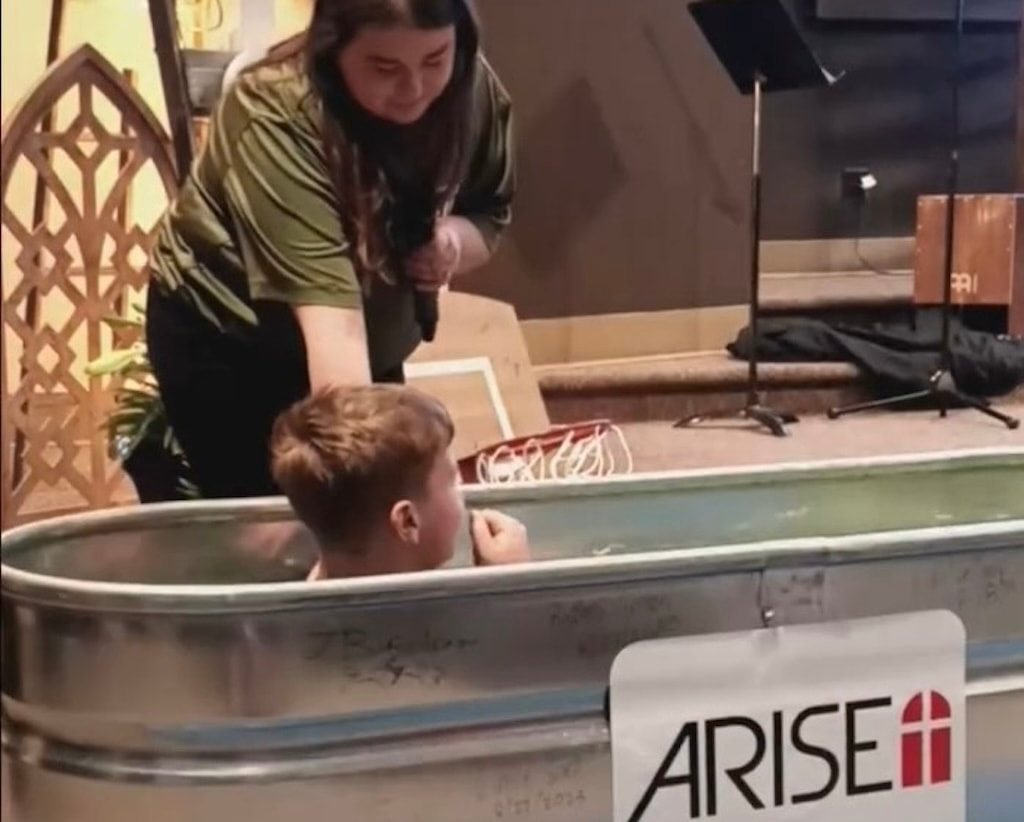 Last week included coaching conversations and a district nominating committee meeting. Two highlights of the week were both on the IWU campus. On Wednesday, over the noon hour, Dr. Eddy Shigley welcomed me to a meeting with undergraduate students in the Kern program at the School of Theology and Ministry. I enjoyed connecting with several of our Crossroads District students and meeting with some prospective church planters. 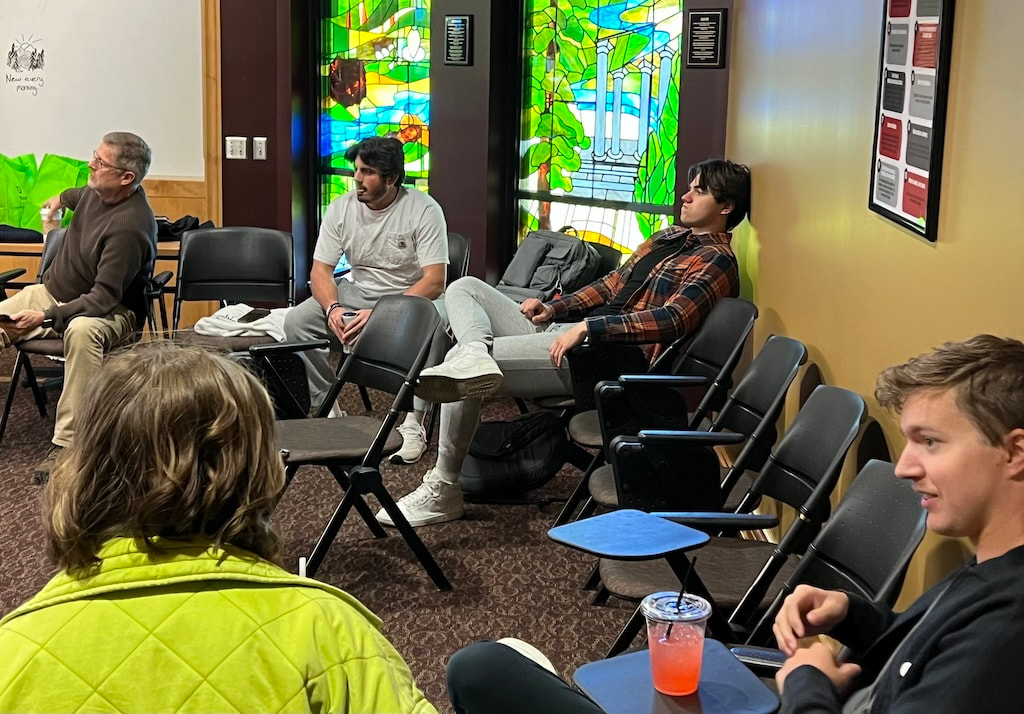 Dr. Shigley and Professor Charlie Alcock invited me back on Thursday morning to record what will eventually become two episodes of their podcast titled “Good Days with Eddy and Charlie.” Their podcast covers a range of topics and welcomes guests that they feel would be encouraging to people serving in youth ministry. I am grateful for the many ways these two seasoned leaders continue to invest in the next generation. 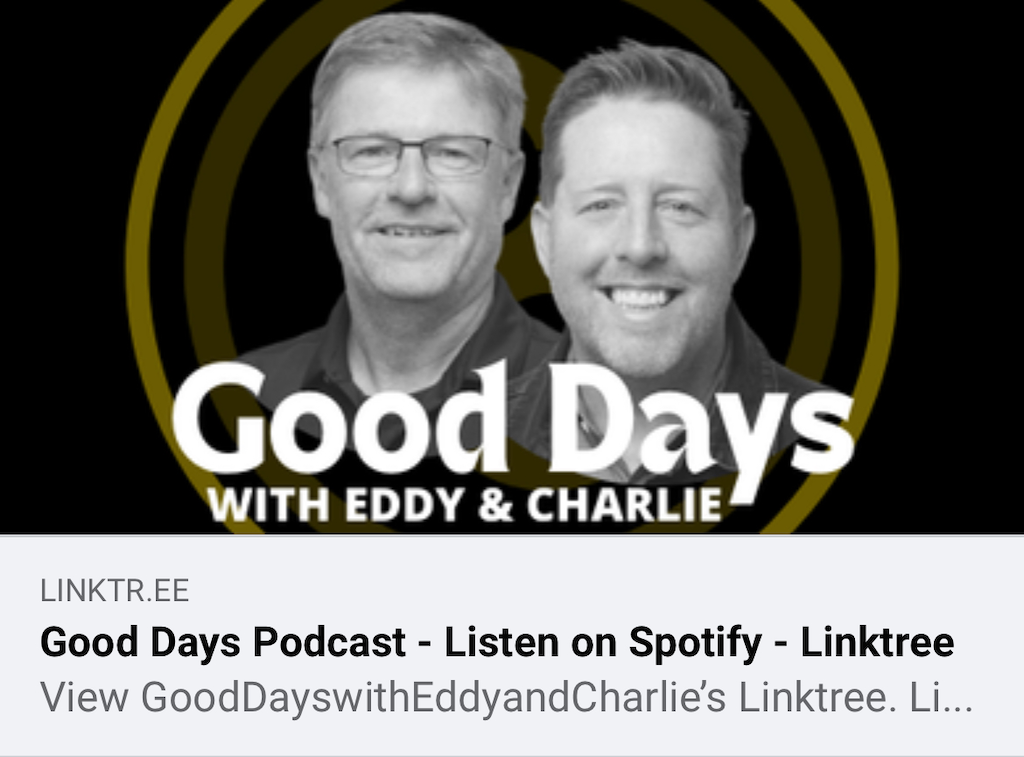 Saturday was a fun day on the road connecting with our district churches who are finding creative ways to make a difference. I stopped in at Waterline’s new location in Ingalls for a progress report. They are working toward the goal of worshiping in their new location in just a few more weeks. Pray for Pastor Scott Rhyno and their team as they make the big move from Wesleyan HQ to this more permanent location. 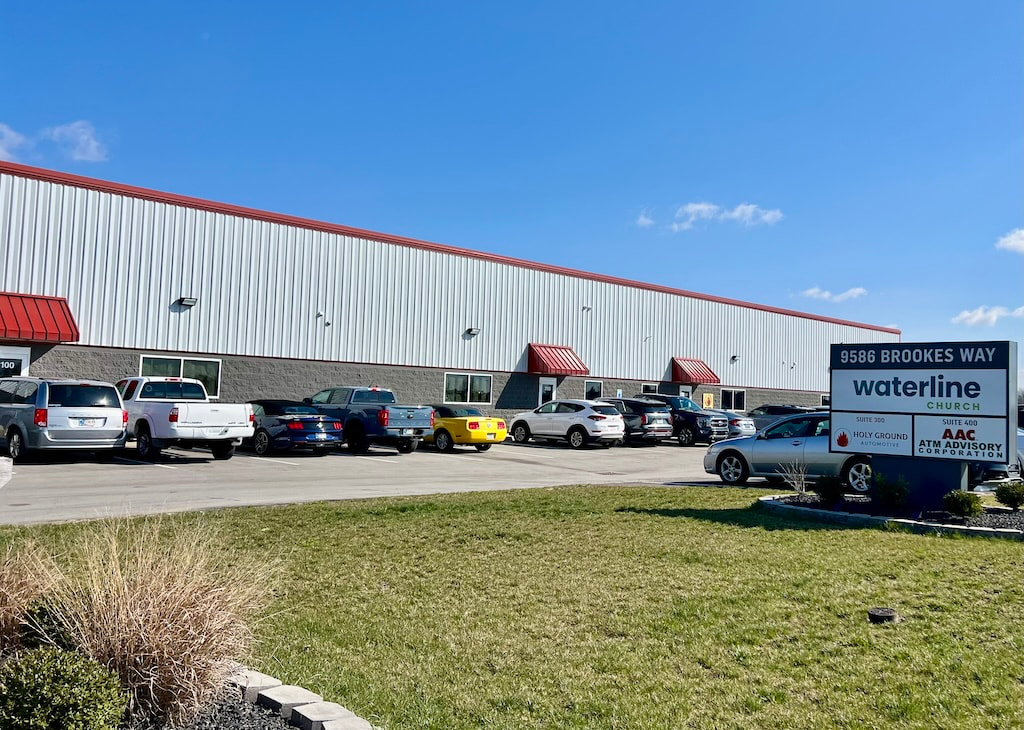 My next stop was in Sheridan to connect with Pastor Scott McDermid and his team at Six Points Wesleyan Church. They hosted a wonderful outreach event for their neighbors with hidden eggs, contests, bouncy houses, and, most importantly, the Bible story Pastor Scott shared with the children and their parents. This has become a significant bridge event with the Sheridan community. Pray for the seeds of the Gospel that were planted to bloom! 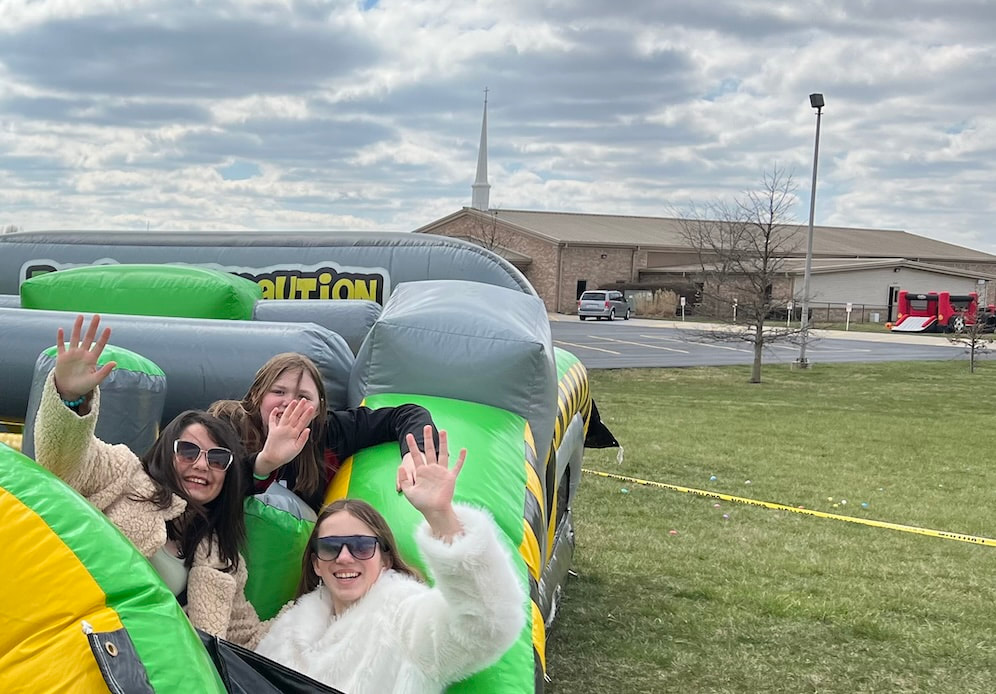 My next stop was at Tri-Central High School where Tipton Trinity Wesleyan Church was hosting their annual Easter Egg Drop. Pastor Johnnie Blair and his team pulled off another exciting bridge event that engaged families from across the county. To kick off the festivities, they had a helicopter circle the football stadium and then drop eggs until the total amount on the field hit 20,000 eggs. Pastor Johnnie’s team did a great job of welcoming families and extending the invitation to be part of Easter Sunday at Trinity Wesleyan. 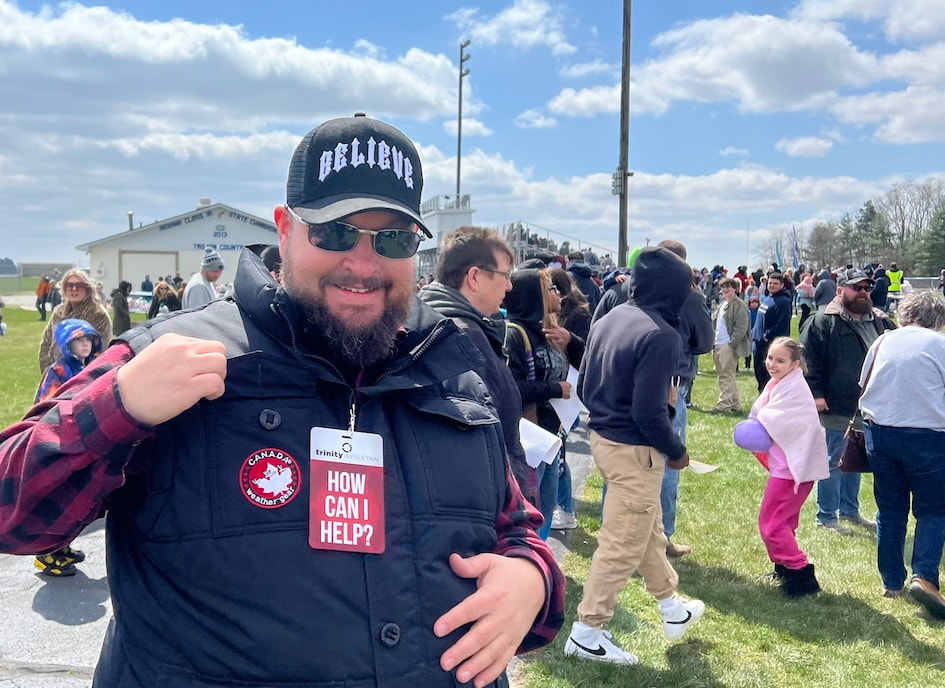 My last stop of the day was at Lakeview Wesleyan Church in Marion. Dr. Chris Williams and his staff hosted a creative EGGsperience on Saturday afternoon to help children discover the real meaning of Easter through a series of EGGsperiments. This is an exciting season of growth at Lakeview with worship attendance regularly over 300 and new friends becoming part of the church family almost every week. 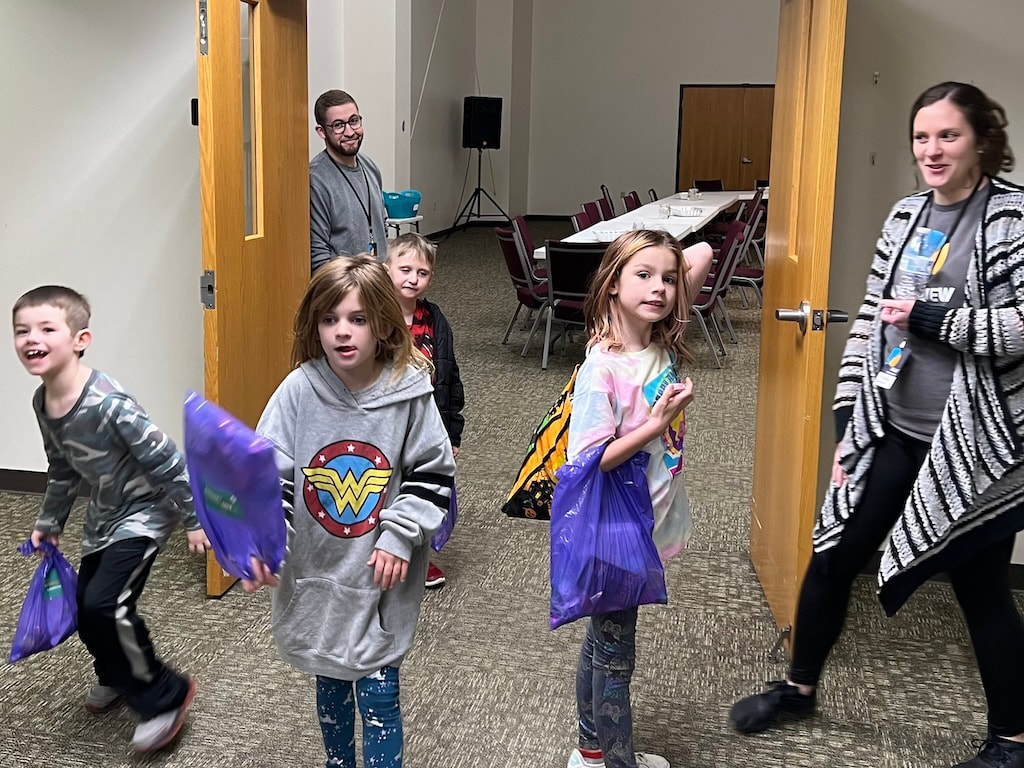 Pastor Shane Wilson passed along the news of New Hope Wesleyan Church in Columbia City using drama to connect with their neighbors and friends. Musicals have been one of New Hope’s effective outreach tools over the past several years. This year they offered a play entitled “House of Miracles.” Even the pastoral staff participated so you may recognize a few faces in the photo below. They welcomed 651 for the two presentations with 5 people praying to receive Christ and 7 more rededicating their lives! 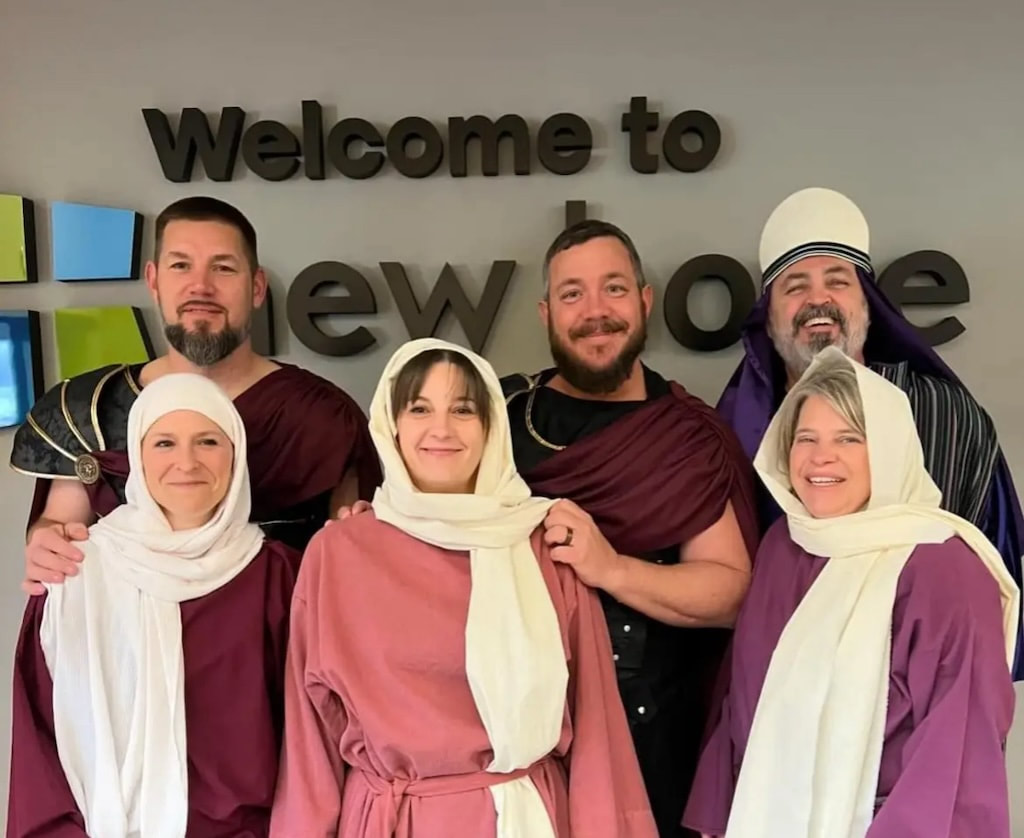 Thank you for praying for Rev. Greg Holmes (South Bend Sonlight) and Rev. Dennis Croy (East Liberty). I had conversations with them this week and received encouraging reports as they continue their journey back to health and ministry. Please continue to pray for Dakotah Cecil, a student at IWU and the granddaughter of Rev. George and Tawne Cecil, who is still recovering from multiple serious injuries sustained in an automobile accident. Your prayers are making a difference! 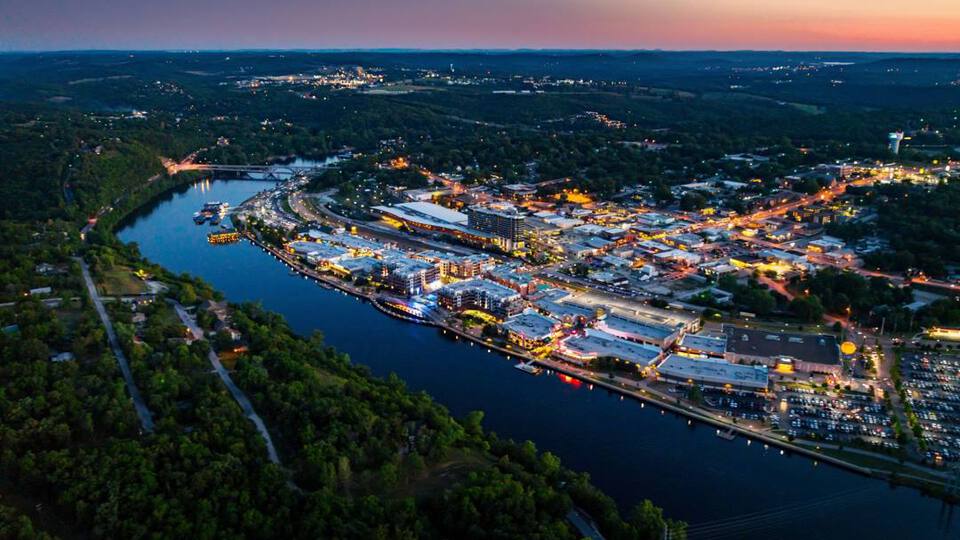 Rev. C.K. Chitty, Director of Senior Adult Ministries (SAM) for the Crossroads District, reported that 35 paid registrations are in hand for the Branson excursion this May 21-24. The highlight of the trip will be “Queen Esther” the current production of Sight and Sound. There are still a few seats remaining on this bus tour but the deadline is Thursday, March 28, to reserve your rooms. Click Here to register online. Crossroads District high school students, it’s almost time for Fusion 2024! An amazing event at a great price, and did we mention Crowder? Register at: www.indwes.edu/youthministry/fusion 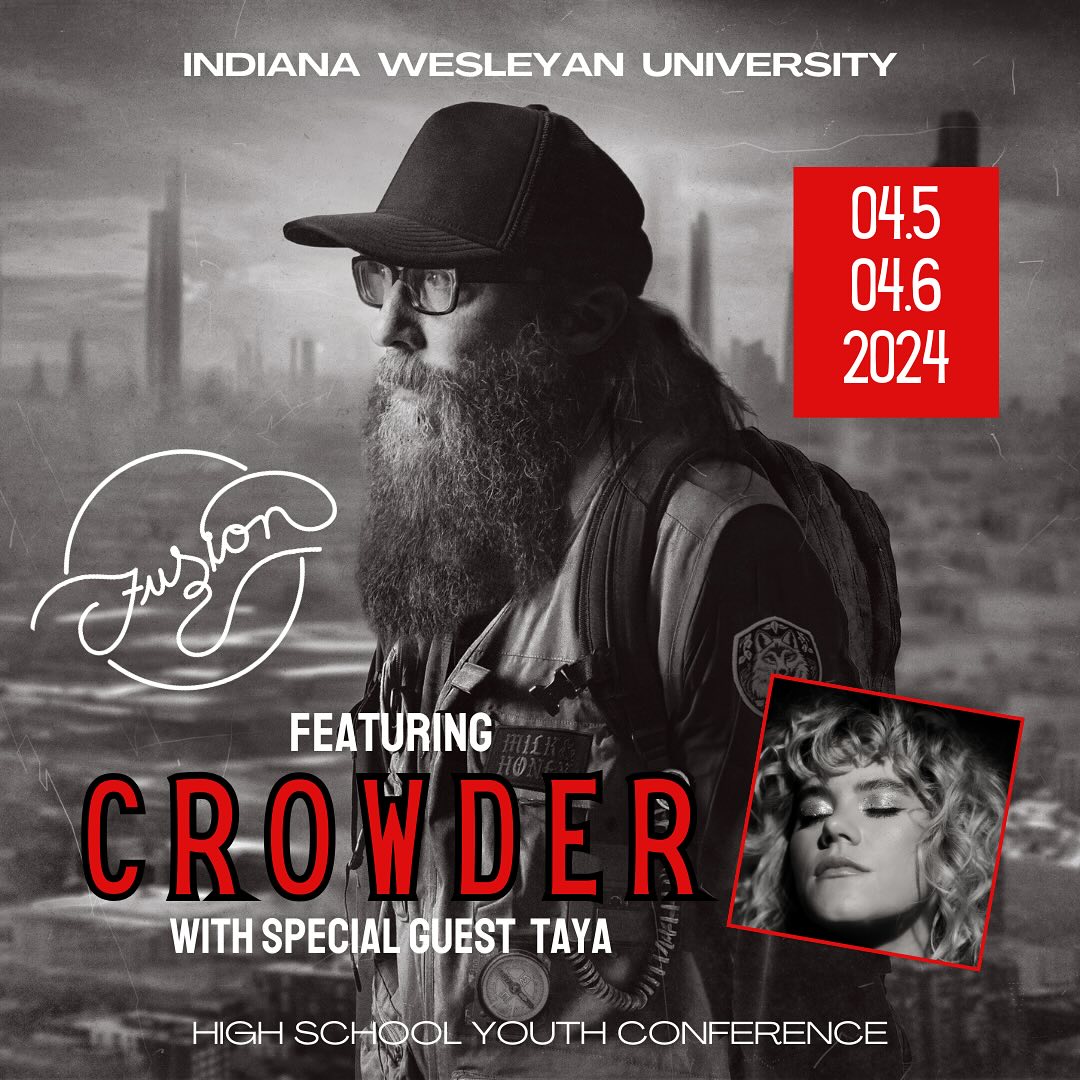 On April 11-13, 2024, College Wesleyan Church will host their first-ever Marketplace Multipliers Conference. The goal of this conference is to inspire and empower ordinary people to effectively live out their faith in the workplace. You will hear from clergy and laity alike—practitioners on the front lines of this movement. You can learn more about the conference and register for the event at this website. You are invited to join us for the OCHLOS Conference, April 13-14, 2024 at Southview Wesleyan Church in Indianapolis. Speakers include Santes Beatty, Director of Next Gen for The Wesleyan Church; Yamil Acevedo, Executive Vice President of Wesley Seminary; Zachary Szmara, Executive Director of Immigrant Connection and Pastor of the Bridge Church in Logansport; and Meg Puello, Executive Director of ASPYRE Inc. Click Here for more information and registration. Join us for the Crossroads KidMin Huddle, Saturday, April 20th, at Brookhaven Wesleyan Church in Marion. For $25, you’ll enjoy a full day of learning and networking with fellow children’s ministry leaders, volunteers, and pastors. A continental breakfast and lunch is included in your registration. Stephanie Rhyne, Kids Ministry Catalyst for The Wesleyan Church and content creator for David C. Cook (Wonder Ink), will be our guest speaker. Lead pastors who register to attend can bring two additional volunteers for free! Register now at this link. Save the date! Our 2024 Crossroads District Conference will be held on Saturday, June 29th at Lakeview Wesleyan Church in Marion. This annual gathering is a wonderful time of celebration, inspiration, and Kingdom connection across our district family. Mark your calendars now and make plans to join us! Keep on making a difference in the cause that counts for eternity! Your servant in Christ, Mark Gorveatte Crossroads District Superintendent Sunday morning, March 17, Rev. Joe Jackson and the team at Anderson United Wesleyan Church welcomed me to bring greetings and share a message from God’s Word. I’m glad to report that Anderson United Wesleyan Church collected over $500 in donations for the Winchester relief efforts. After the service, I met with the LBA and then toured the newly remodeled childcare wing. The church is now hosting a new preschool program that is serving 25 children each week. 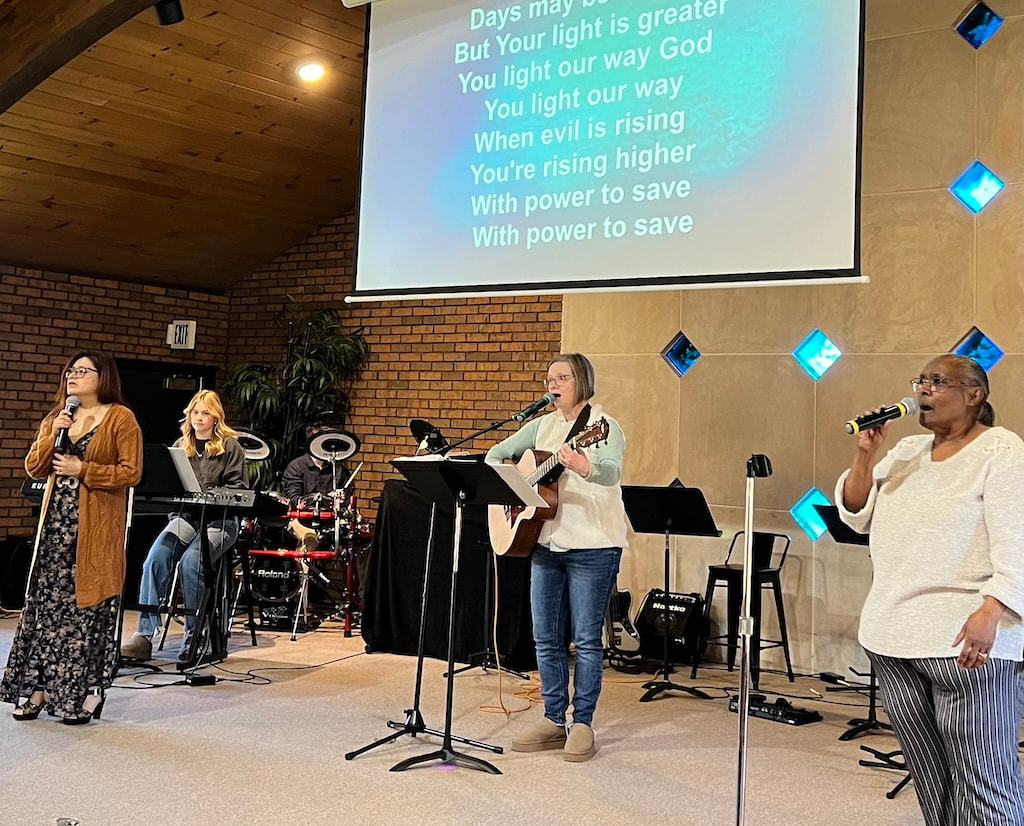 The Jackson family joined me for lunch and it was fun to hear updates from their family members who are in college and high school. In addition to leading worship and partnering with Pastor Joe at the church, Jennifer serves special needs children in the public school system. Continue to pray for Assistant Pastor Nick Wilson in his health rehabilitation journey. 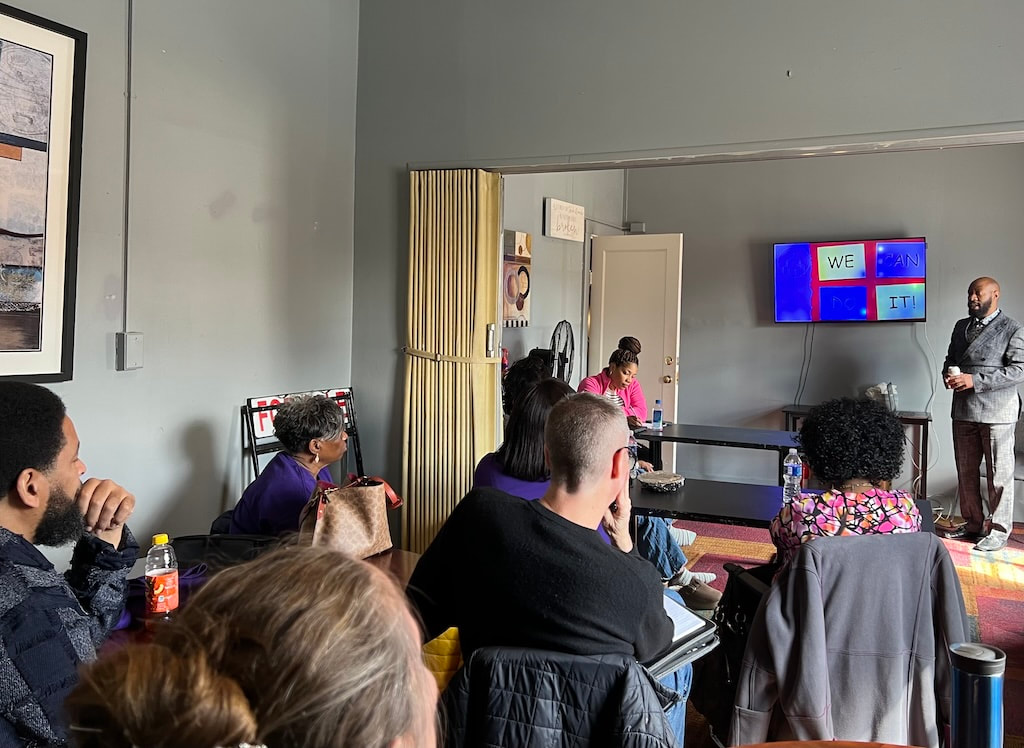 Sunday afternoon, I had the joy of serving Pastor Gawin Anderson and the team at Indianapolis Divine Direction Church as they are working through the process of relaunching this important ministry on 46th Street. Pastor Gawin and Monique Anderson have stepped up to the challenge of seeing this congregation revitalized and back on the mission making disciples. In addition to pastoring and working a full-time job in the marketplace, Pastor Anderson is also continuing his ministerial studies at Indiana Wesleyan University. 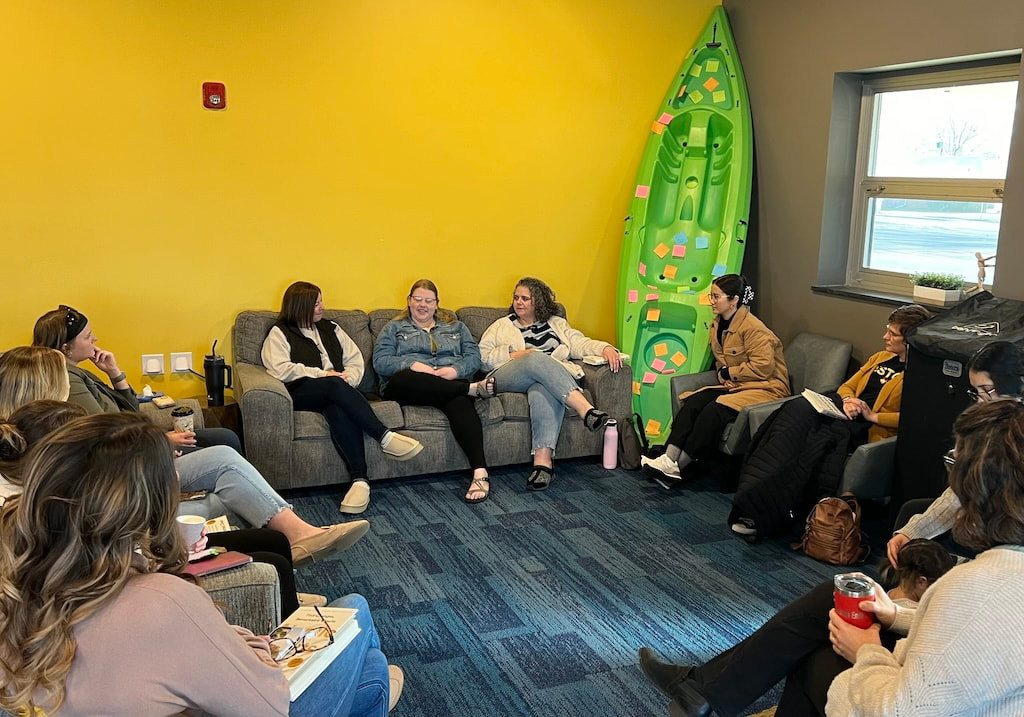 Last Monday I was able to connect with several of our ministry leaders who are participating in leadership learning cohorts. Rev. Carla Working leads a cohort for women in ministry and Rev. Matthew Trexler is leading two cohorts, one in the morning and one in the afternoon, for pastors. All three cohorts met on Monday at The River Church in Marion. Next year, we are planning to add a Saturday leadership cohort option for our bi-vocational pastors. You’ll hear more about this at the Crossroads District Conference, June 29. 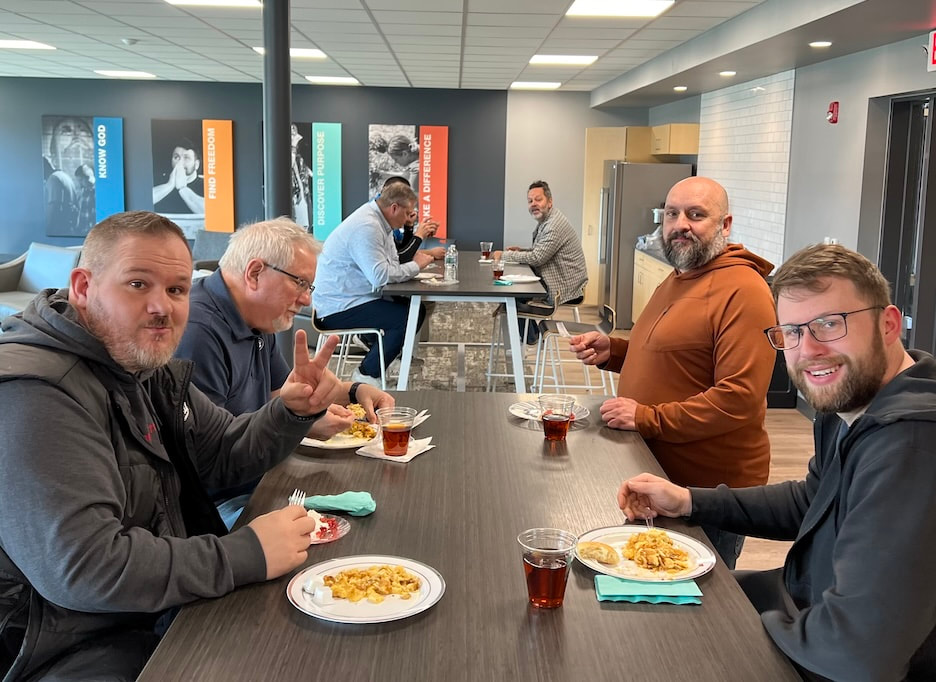 On Tuesday morning, I accepted the invitation from Pastor Noah Farmer to join his staff meeting at Gas City Eastview Wesleyan Church. Each team member had each taken the Clifton StrengthsFinder assessment and we spent a fun hour together learning more about leading from our strengths. The district board provided StrengthsFinder coach training last summer so that I can assist our pastors and their leadership teams with this resource. If you’d like to learn more, you can reach out to the district office and we’ll set up a time to connect. 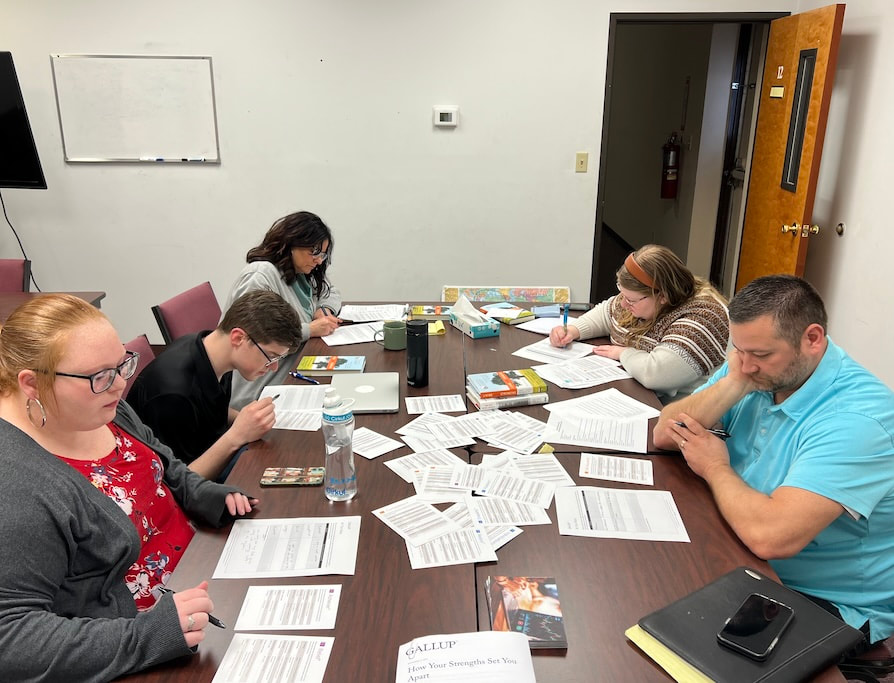 From Gas City, I traveled to Indianapolis to meet with Pastor Cary Sanders over coffee and then joined Pastor Barry Dixon later that afternoon. My final stop on Tuesday was with the Anderson Lone Oak Wesleyan Church Local Board of Administration. Pastor Jerome Bell has been helping Lone Oak but will be giving his full attention to Autumn Hills in the new conference year. Lone Oak will be posting their pastor position on the Wesleyan.org/jobs website and hopes to begin interviewing candidates in the next few weeks. 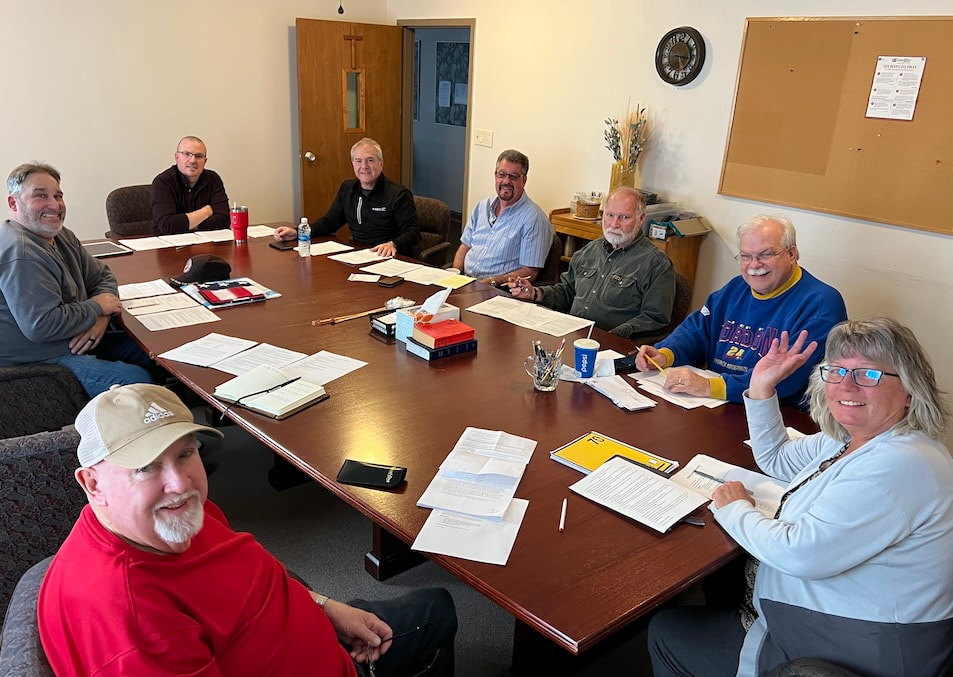 Wednesday and Thursday were office days with the exception of a quick trip to Lebanon for a coaching conversation over lunch with Rev. Dr. Morris Jones on Thursday. The weather situation grew worse through the day on Thursday and Friday morning dawned with news of the storms' impact in Winchester and the surrounding area. 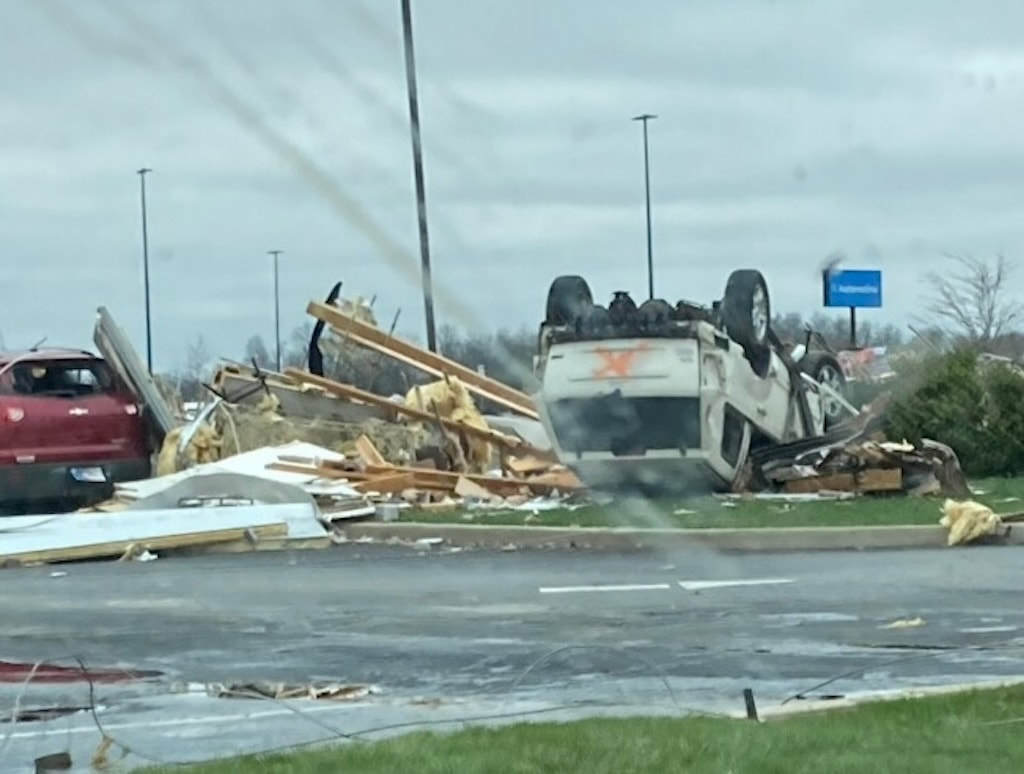 Pastor Randy Yaryan, Winchester Wesleyan Church, and Rev. John Hannan, Union City CrossRoads Church, were both involved in the response efforts. We’re thankful to God that our churches were not damaged, but the toll to the community is still being calculated. Volunteers from the church provided more than 400 meals on Saturday to workers and impacted families. The volunteers also helped with clean-up efforts that afternoon. 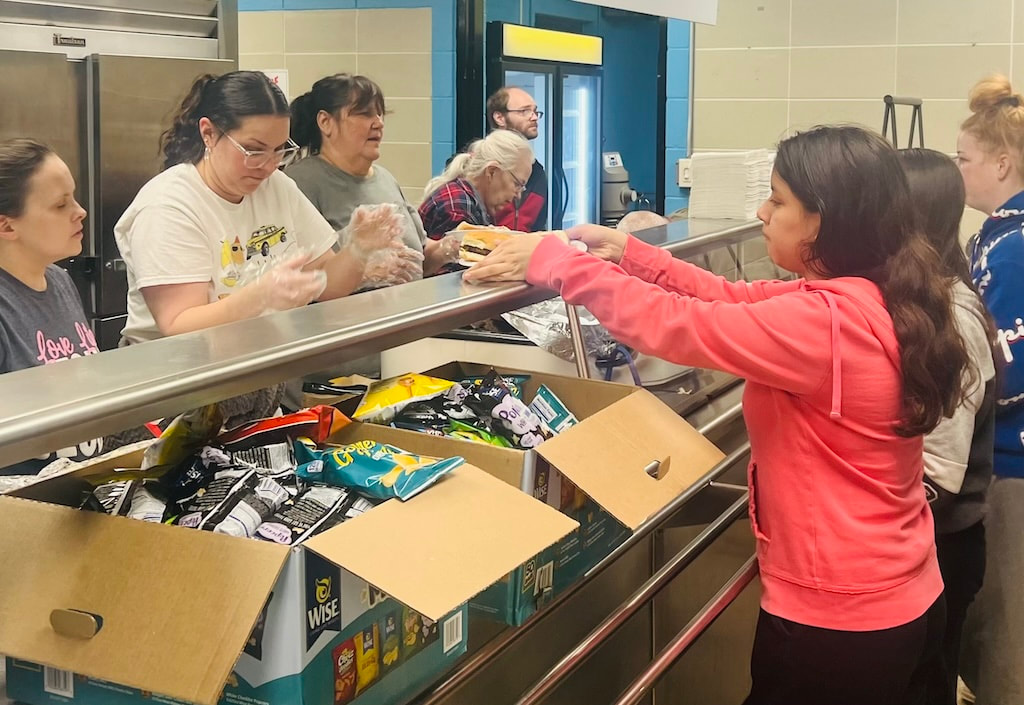 I’m grateful to Rev. Yaryan and Rev. Hannan for the way they’ve stepped up and mobilized team members to respond in this crisis. After a meeting in Indianapolis on Saturday morning, I was able to drive to Winchester to thank them personally. Thank you also to each church that has already responded with financial donations. I received word just this morning that the generous Lifeway Church in Fort Wayne received more than $3000 in donations. You can send those offerings through our district office. If you have donations of supplies (water, toiletries, clothing, etc.), the CrossRoads Church in Union City is serving as our staging point for those materials. 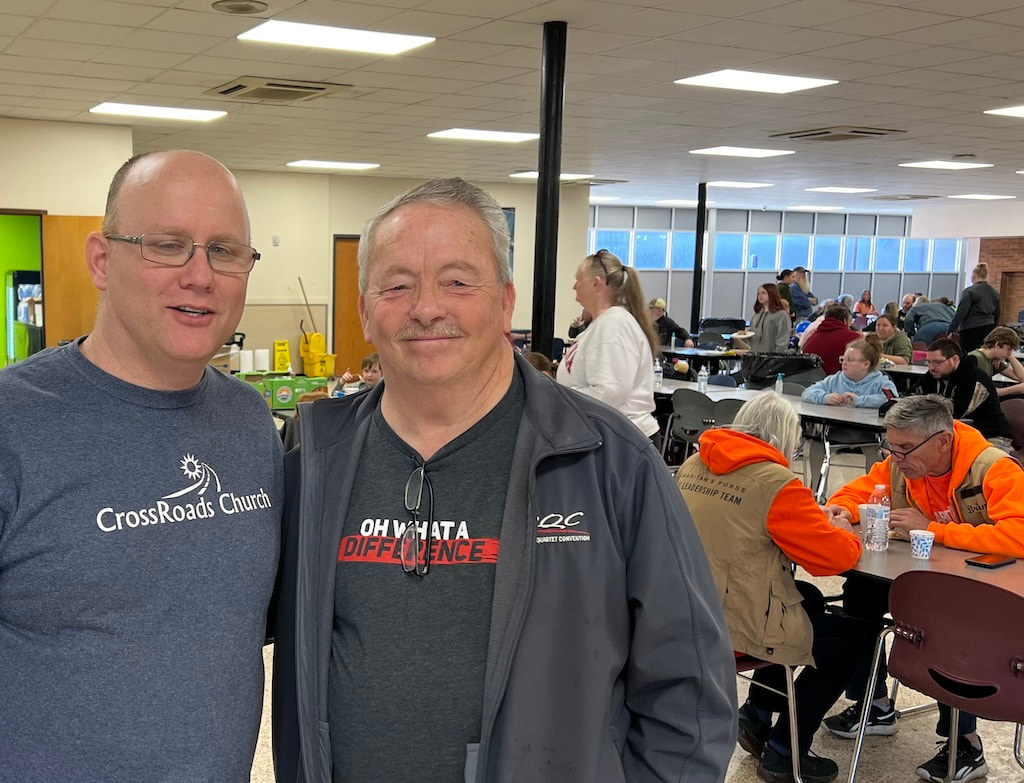 We love to share the stories of how God is at work in our churches and changing lives. Rev. Mark Atkinson has been serving as interim/supply pastor at Elwood Central Wesleyan Church. Attendance has been rebounding from 66 people in January to 96 yesterday, Most importantly, yesterday was a celebration with two people publicly professing their faith in Christ through baptism. Praise God for lives being #MadeNew! 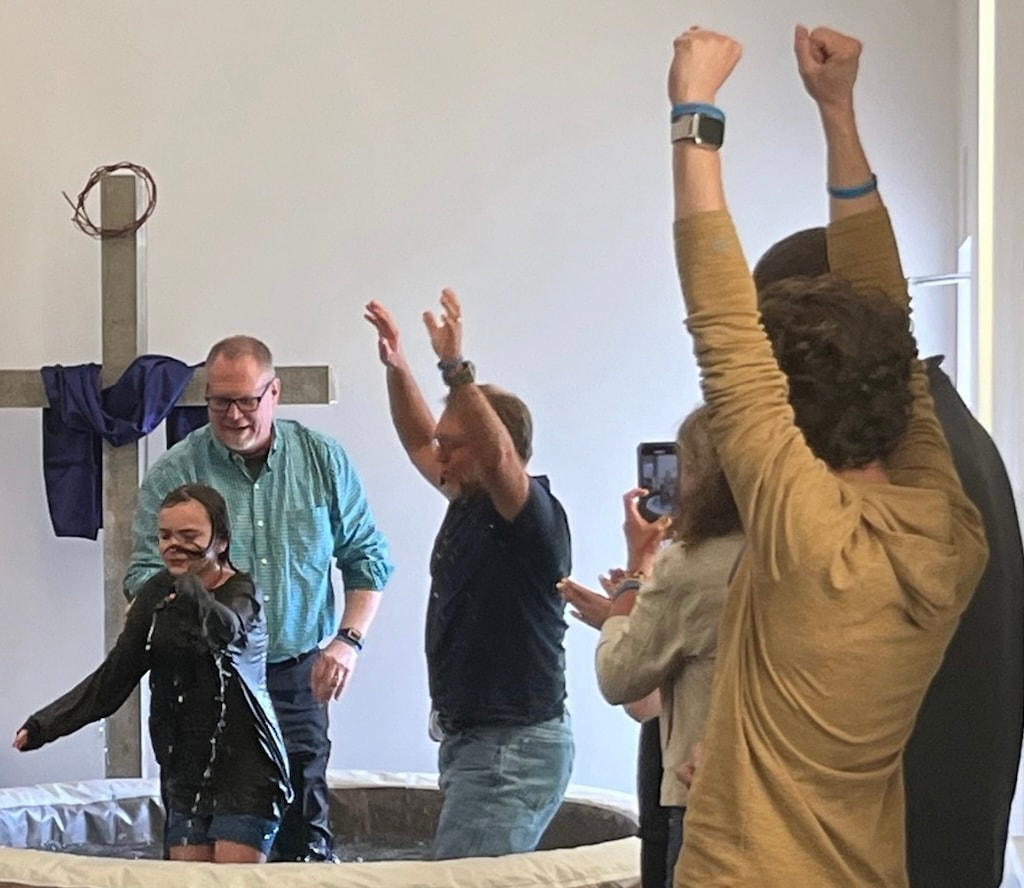 There’s still time to register! Crossroads District high school students won’t want to miss Fusion 2024! An amazing event at a great price, and did we mention Crowder? Registration is still open at: www.indwes.edu/youthministry/fusion The Heartland Gathering is right around the corner with the full schedule posted on the conference website. We look forward to seeing you in Pigeon Forge, April 2-5! 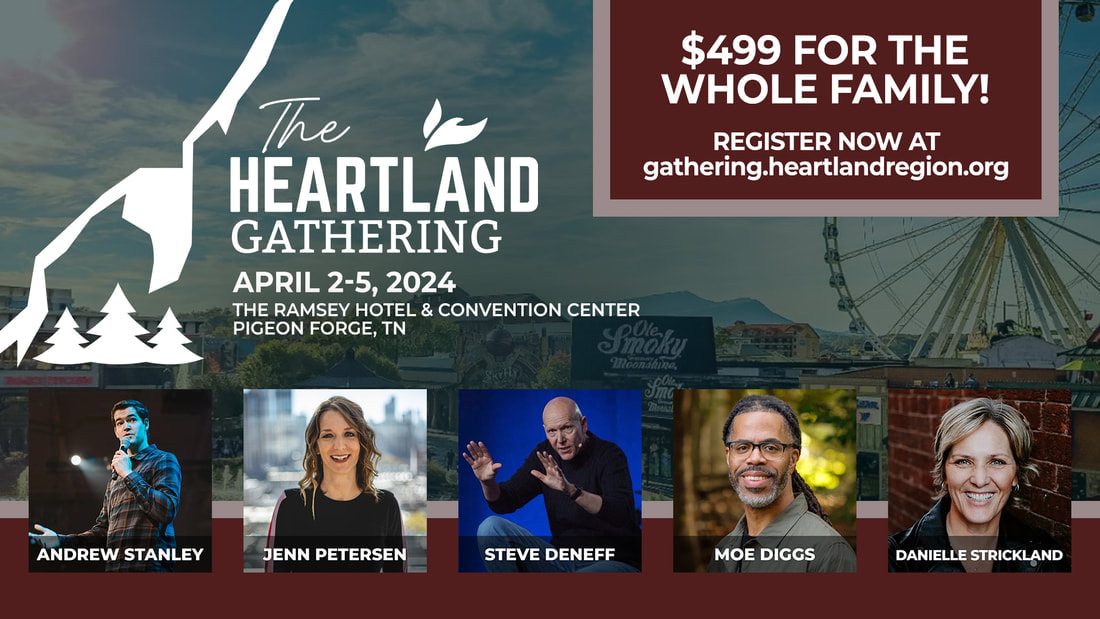 On April 11-13, 2024, College Wesleyan Church will host the first-ever Marketplace Multipliers Conference. The goal of this conference is to inspire and empower ordinary people to effectively live out their faith in the workplace. You will hear from clergy and laity alike—practitioners on the front lines of this movement, and those in the trenches. You can learn more about the conference and register for the event at this website: https://collegewes.com/multipliersconference You are invited to join us for the OCHLOS Conference, April 13-14, 2024 at Southview Wesleyan Church in Indianapolis. Speakers include Santes Beatty, Director of Next Gen for The Wesleyan Church; Yamil Acevedo, Executive Vice President of Wesley Seminary; Zachary Szmara, Executive Director of Immigrant Connection and Pastor of the Bridge Church in Logansport; and Meg Puello, Executive Director of ASPYRE Inc. Click Here for more information and registration. Join us for the Crossroads KidMin Huddle, Saturday, April 20th, at Brookhaven Wesleyan Church in Marion. For $25, you'll enjoy a full day of learning and networking with fellow children's ministry leaders, volunteers, and pastors. A continental breakfast and lunch is included in your registration. Stephanie Rhyne, Kids Ministry Catalyst for The Wesleyan Church and content creator for David C. Cook (Wonder Ink), will be our guest speaker. Lead pastors who register to attend can bring two additional volunteers for free! Register now at this link: https://crossroadsdistrict.churchcenter.com/registrations/events/2227324 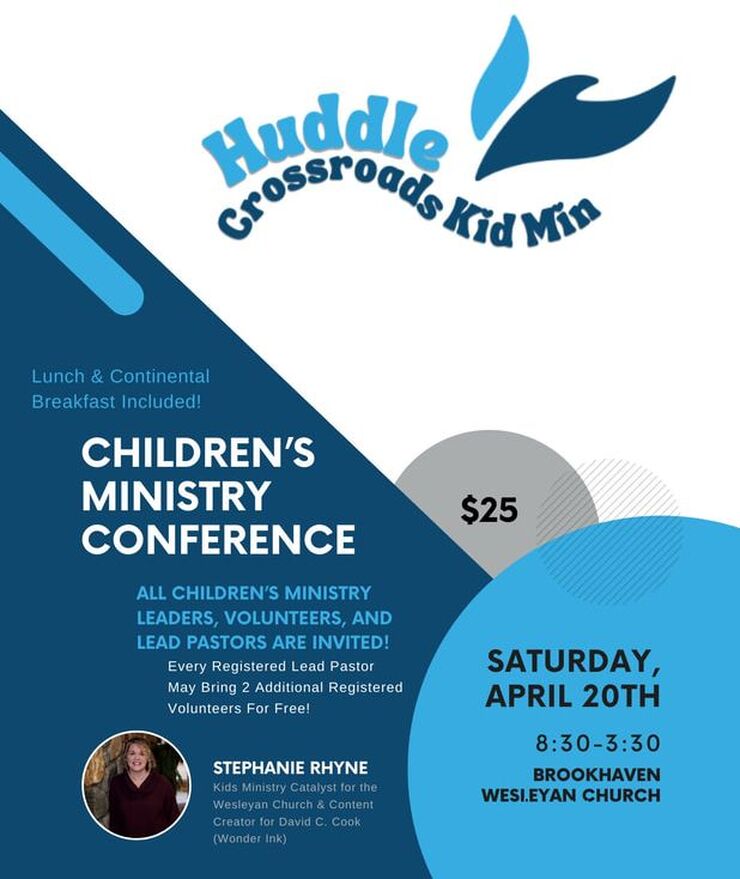 Save the date! Our 2024 Crossroads District Conference will be held on Saturday, June 29th at Lakeview Wesleyan Church in Marion. This annual gathering is a wonderful time of celebration, inspiration, and Kingdom connection across our district family. Mark your calendars now and make plans to join us! Keep on making a difference in the cause that counts for eternity! Your servant in Christ, Mark Gorveatte Crossroads District Superintendent Exponential 2024 was an outstanding conference. Dr. Wayne Schmidt, General Superintendent, kicked off the week in Orlando by welcoming the district superintendents on Monday for a pre-conference connection. It was encouraging to hear how God is on the move across our denominational family. We closed our time together in prayer for our GS and our district leaders, including the health concerns of Rev. Aaron Sherman, superintendent of the Kentucky-Tennessee District. 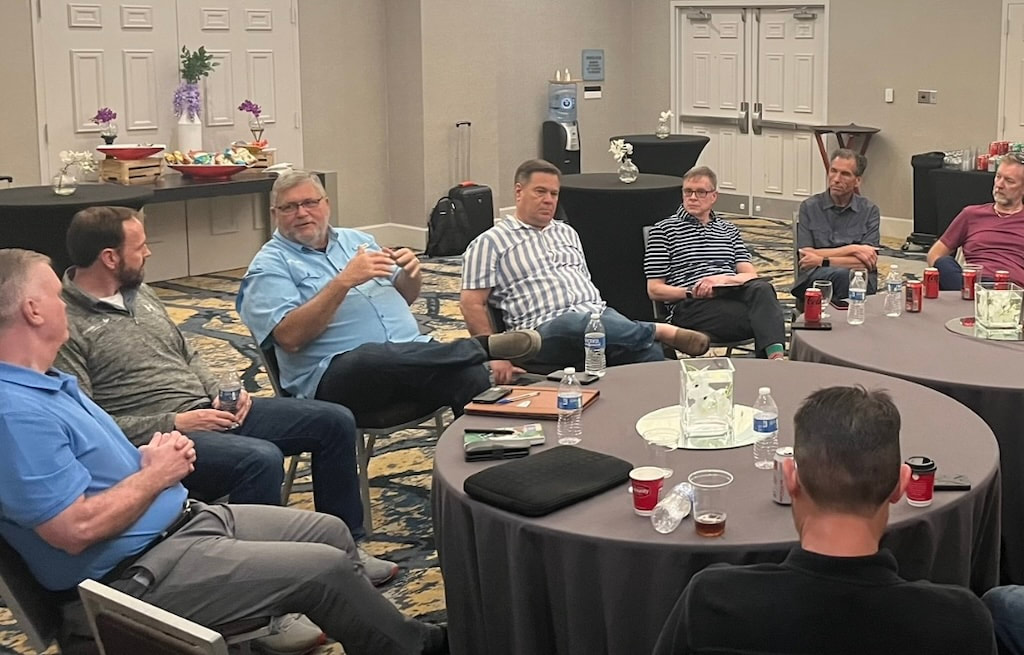 Tuesday morning, more than 500 Wesleyan leaders gathered for a pre-conference event under the theme Saturate. Dr. Schmidt cast vision for disciple-making and church multiplication. Dr. Ed Love and the team from Church Multiplication and Discipleship did a great job hosting this event and spotlighting the many ways that churches are rising to the challenge of Acts 1:8! 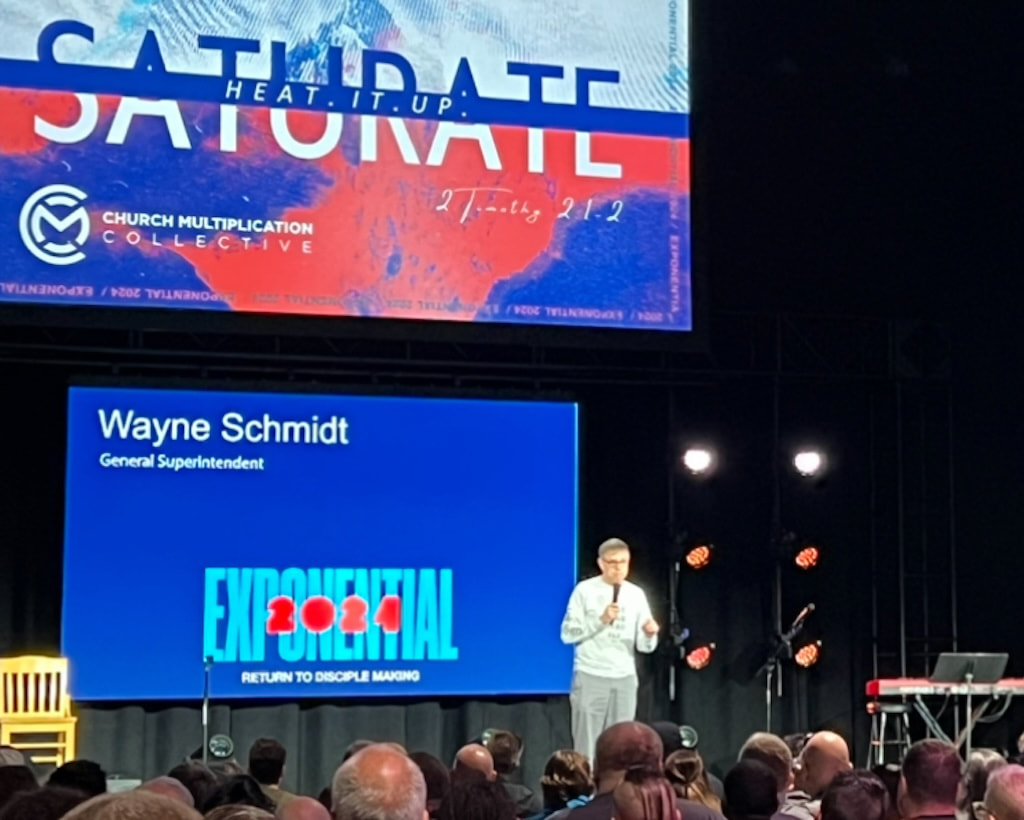 The full Exponential Conference kicked off Tuesday afternoon and concluded on Thursday. This year’s line-up of keynote speakers and workshops kept the focus on disciple-making. Presenters from across America and around the globe shared anointed messages. If you’ve not been to Exponential, let me encourage you to make plans to join us for the 25th anniversary event next March in Orlando. 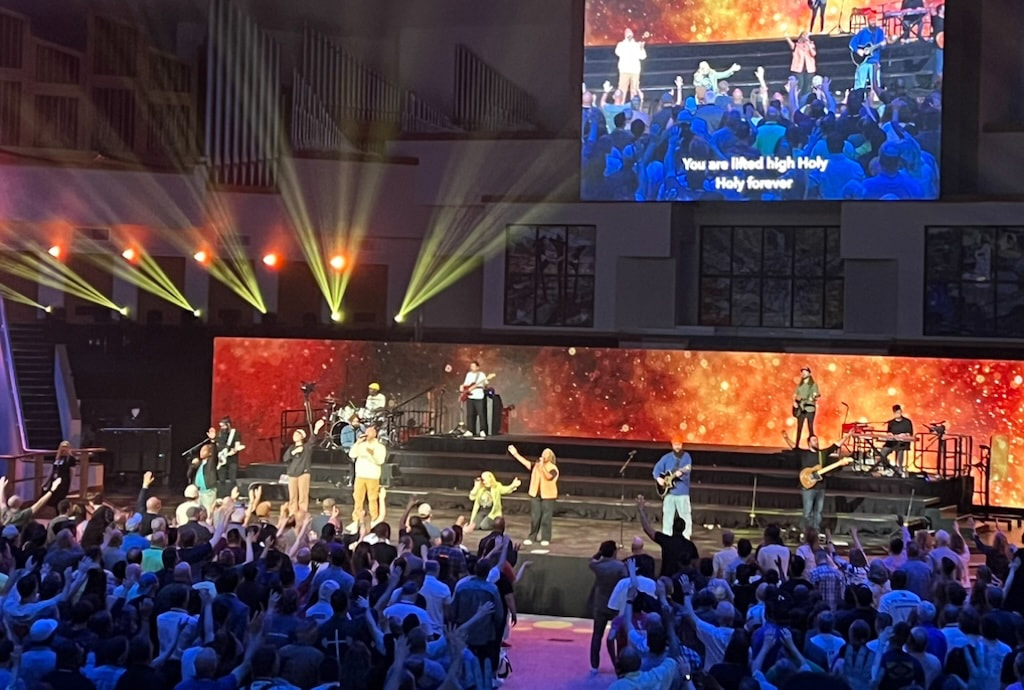 The Wesleyan Holiness Women Clergy Conference was also held last week in Dallas, Texas on March 7-9. Rev. Carla Working led a great group from the Crossroads District that joined almost one hundred Wesleyan women clergy and ministerial students among the nearly 800 registered attenders at this year’s event. We celebrate God’s calling and empowering of women as prophesied by Joel (Joel 2:28-29) and pronounced by the Apostle Peter on the day of Pentecost (Acts 2:17). 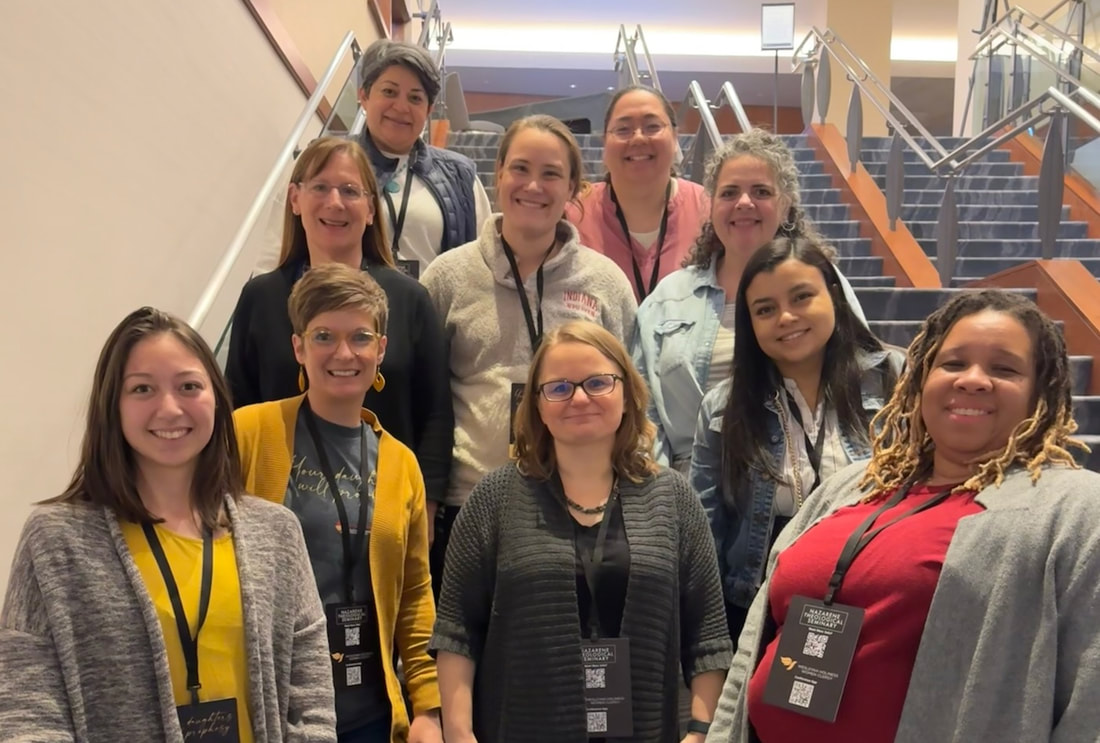 Congratulations to Rev. Laura and Micah Walls on last week’s arrival of Milo James, their second son! Pastor Laura plays a key role on the pastoral team at Waterline Church. Milo’s grandparents on his mother’s side are Rev. Clifton and Arletta Ashlock. May God continue to bless the faith legacy of this ministry family! 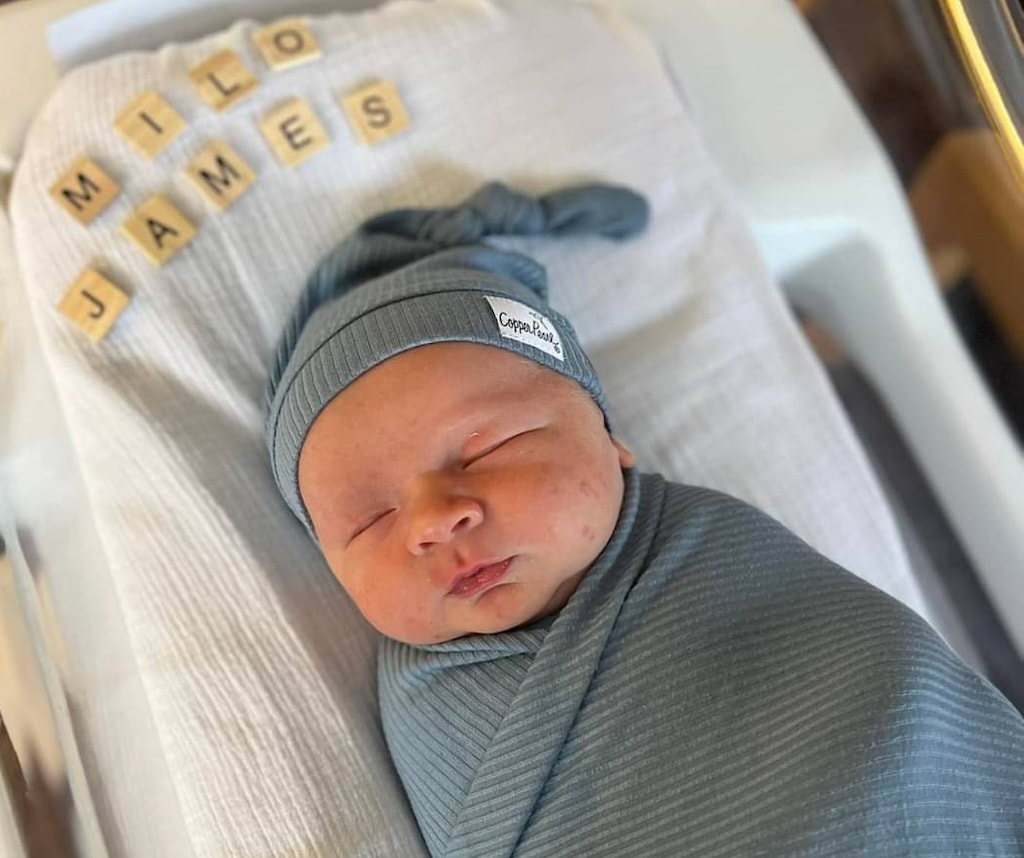 Sherry and I were able to spend time with members of our family in Grand Rapids, Michigan this weekend celebrating our 40th wedding anniversary. When three little granddaughters under the age of three are at the party, you all end up sitting on the floor. Thank you to so many friends across the district who reached out to extend congratulations. We are grateful for God’s faithfulness over the past 40 years and excited for what He has in store for the future! 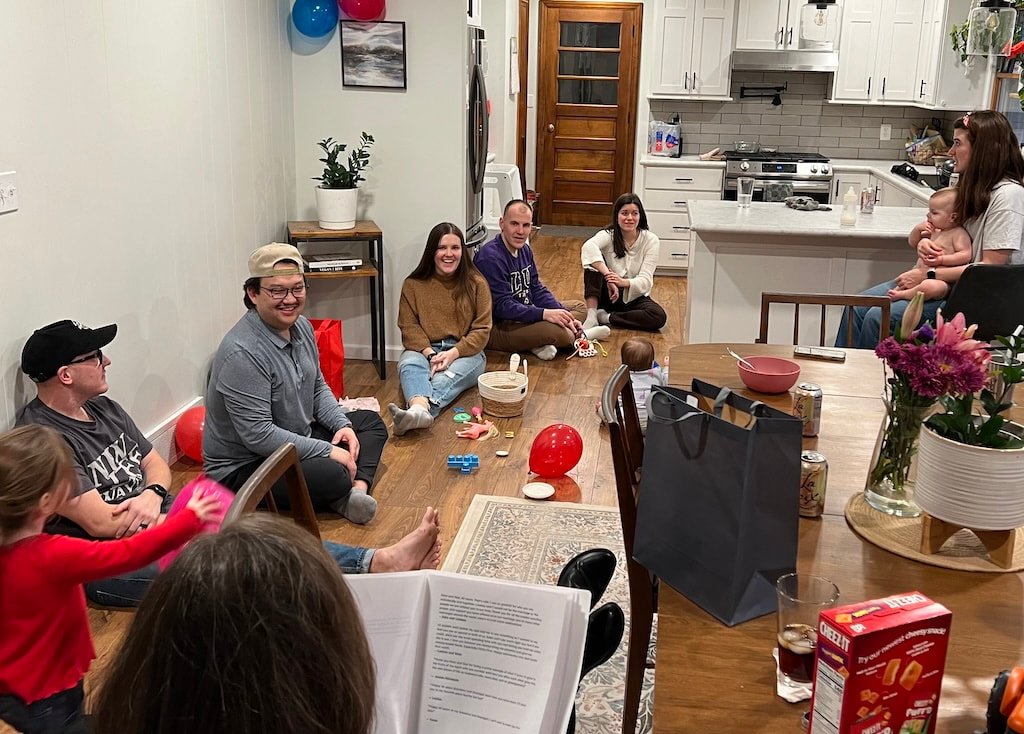 Calling all Crossroads District high school students! Don’t miss Fusion 2024! An amazing event at a great price, and did we mention Crowder? Registration is now open at: www.indwes.edu/youthministry/fusion We’re counting down to The Heartland Gathering, and the full schedule has been posted on the conference website. Your family registration includes 3 nights lodging at The Ramsey Hotel, a hot breakfast buffet for your family members each morning, and all conference sessions, including nursery and full programming for children. We look forward to seeing as many of our pastoral families as possible April 2-5 in Pigeon Forge! On April 11-13, 2024, College Wesleyan Church will host the first-ever Marketplace Multipliers Conference. The goal of this conference is to inspire and empower professionals to effectively live out their faith in the workplace. You will hear from clergy and laity alike—practitioners on the front lines of this movement, and those in the trenches. You can learn more about the conference and register for the event at this website: https://collegewes.com/multipliersconference Join us for the OCHLOS Conference, April 13-14, 2024 at Southview Wesleyan Church in Indianapolis. Speakers include Santes Beatty, Director of Next Gen for The Wesleyan Church; Yamil Acevedo, Executive Vice President of Wesley Seminary; Zachary Szmara, Executive Director of Immigrant Connection and Pastor of the Bridge Church in Logansport; and Meg Puello, Executive Director of ASPYRE Inc. Click Here for more information and registration. Save the date! Our 2024 Crossroads District Conference will be held on Saturday, June 29th at Lakeview Wesleyan Church in Marion. This annual gathering is a wonderful time of celebration, inspiration, and Kingdom connection across our district family. Mark your calendars now and make plans to join us! Keep on making a difference in the cause that counts for eternity! Your servant in Christ, Mark Gorveatte Crossroads District Superintendent 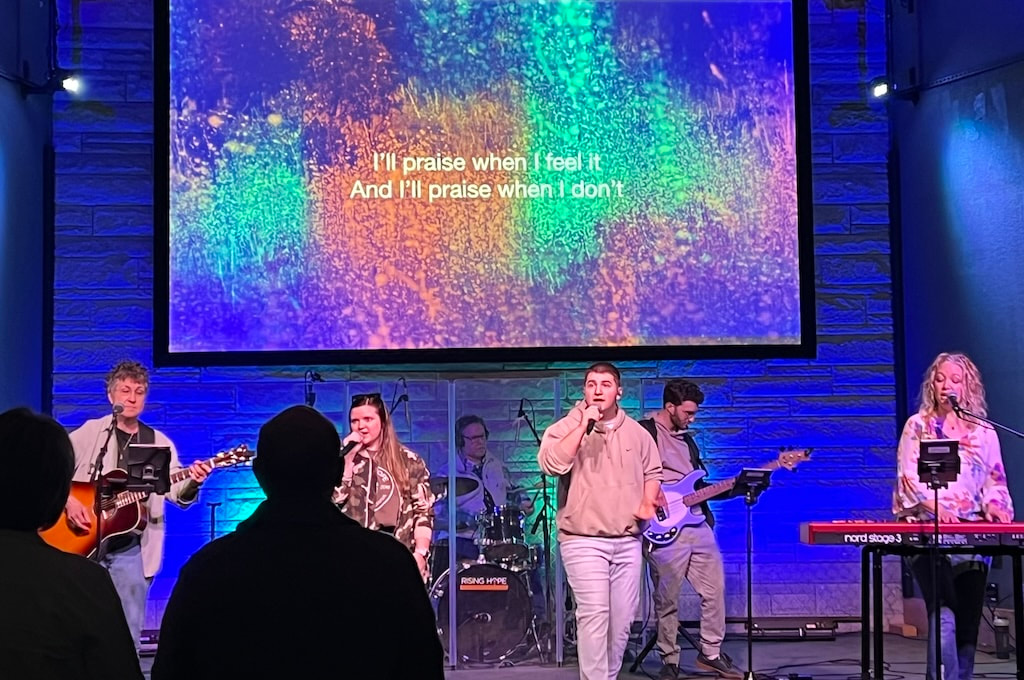 Sunday morning, March 3, I was blessed to be back on the road connecting with leaders in our Crossroads District. My first stop was in Muncie at Rising Hope Church. Pastor Mike and Kim Hewitt just returned on Saturday from visiting Rising Hope’s church planting partners in Spain. I’m grateful for the way that Pastor Mike leads by example and champions church planting in our district. 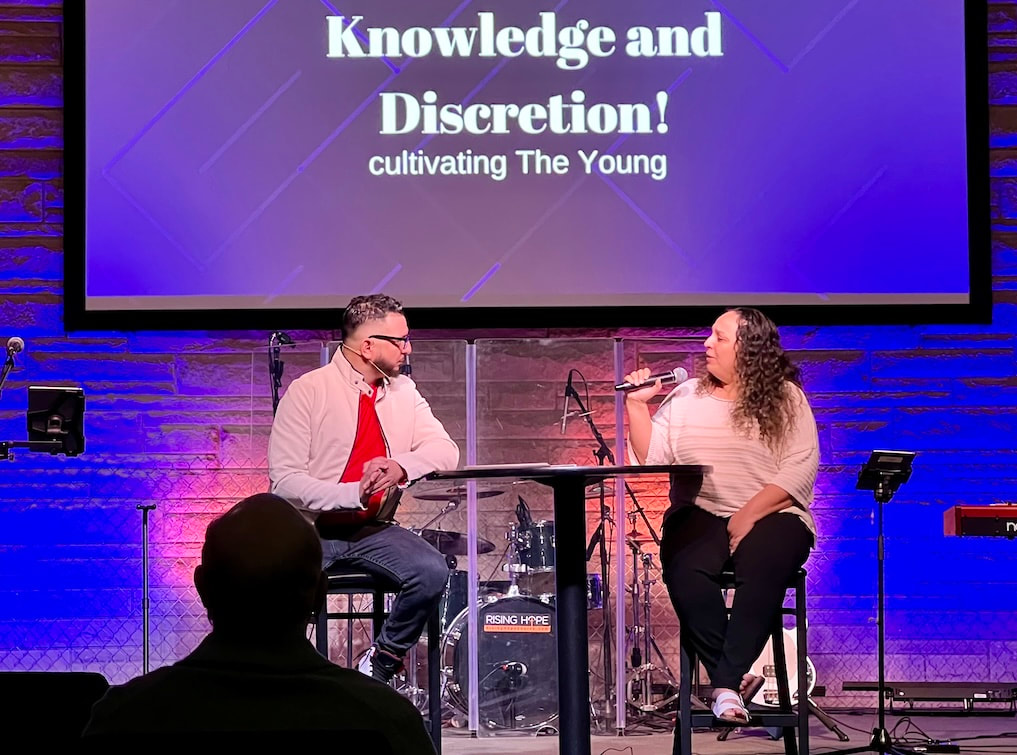 Janiel and Leanna Carabello brought the morning message on parenting. The Carabello’s are “church planters in residence” learning from and serving with Rev. Mike and Kim Hewitt as they prepare to launch EXIT Church in Anderson in the fall. It was good to connect with them again today and I’m excited to see what God has planned for the new multi-ethnic church they are planting. 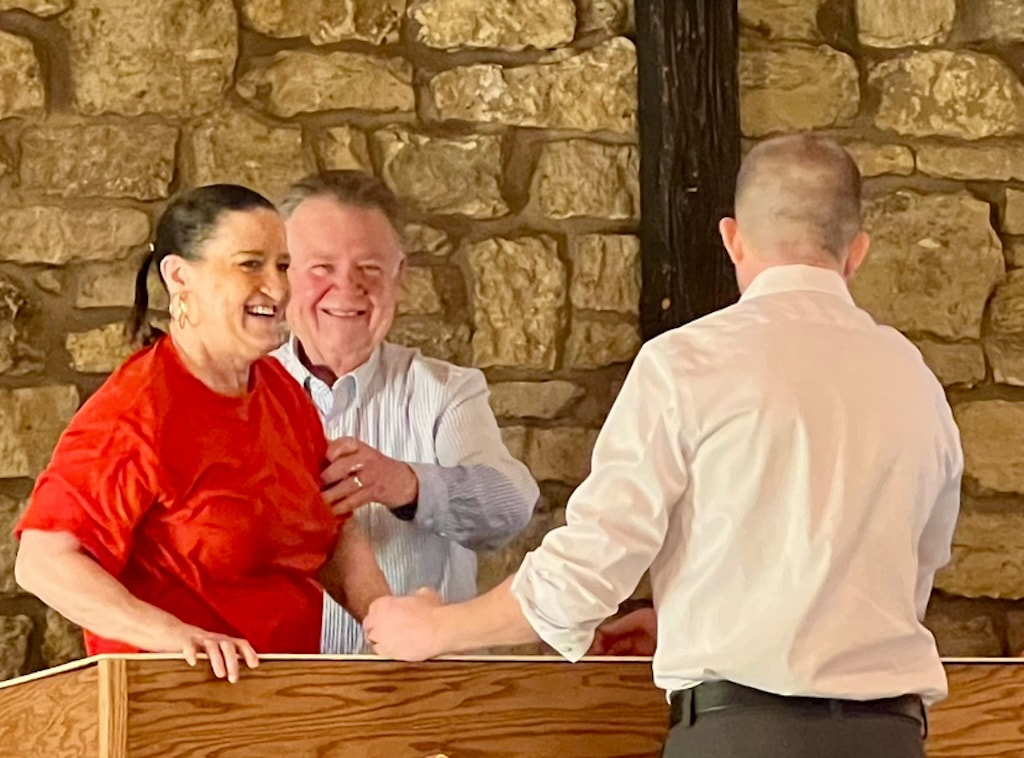 My second stop of the day was in Chesterfield at Parkview Wesleyan Church. Pastor Clifton Ashlock led the baptism as 9 individuals publicly professed their faith in Christ. To the best of their knowledge, this is the most individuals baptized in a single service in the history of Parkview Church. Praise God for lives being #MadeNew! 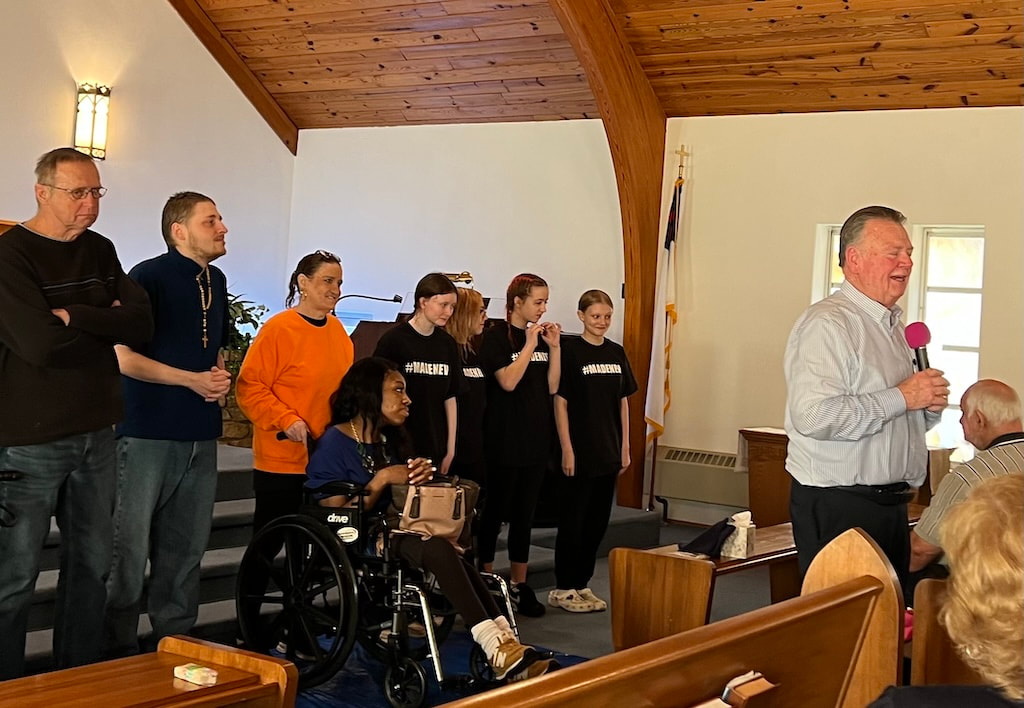 Dr. Joe Harmon was the guest speaker for the day at Parkview and he brought a challenging message from Ephesians 6 on the importance of putting on our spiritual armor for the battle we face. Pray for the team at Parkview as their search team seeks the next pastor to lead this church forward in reaching their mission field. 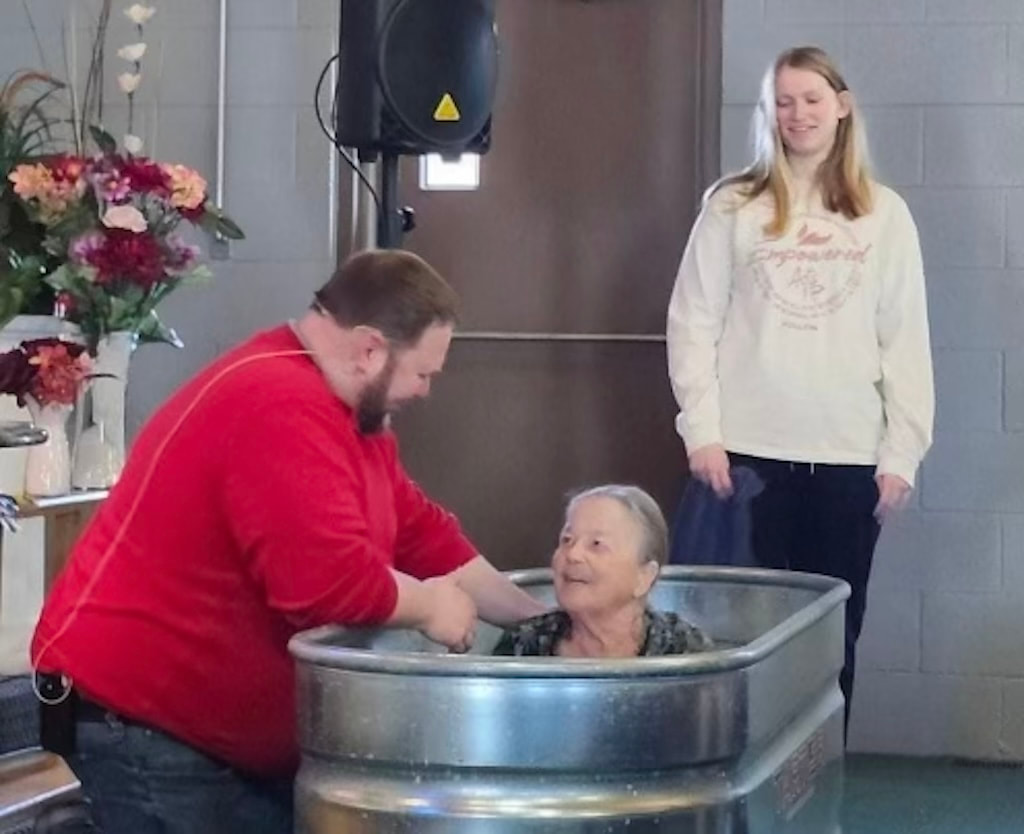 Speaking of baptisms, Pastor Sam Maddox and the team at Albion Wesleyan Church were excited to celebrate another baptism on Sunday. The woman who was baptized first came to the church through the influence of her granddaughter. We join them in celebrating another new life in Christ! Pastor Noah Farmer and the team at Gas City Eastview Wesleyan Church welcomed 20 new members this morning. This group was welcomed in the second service. According to the initial report, this is the largest group of new members welcomed on one day in the recent history of the church. God is on the move! 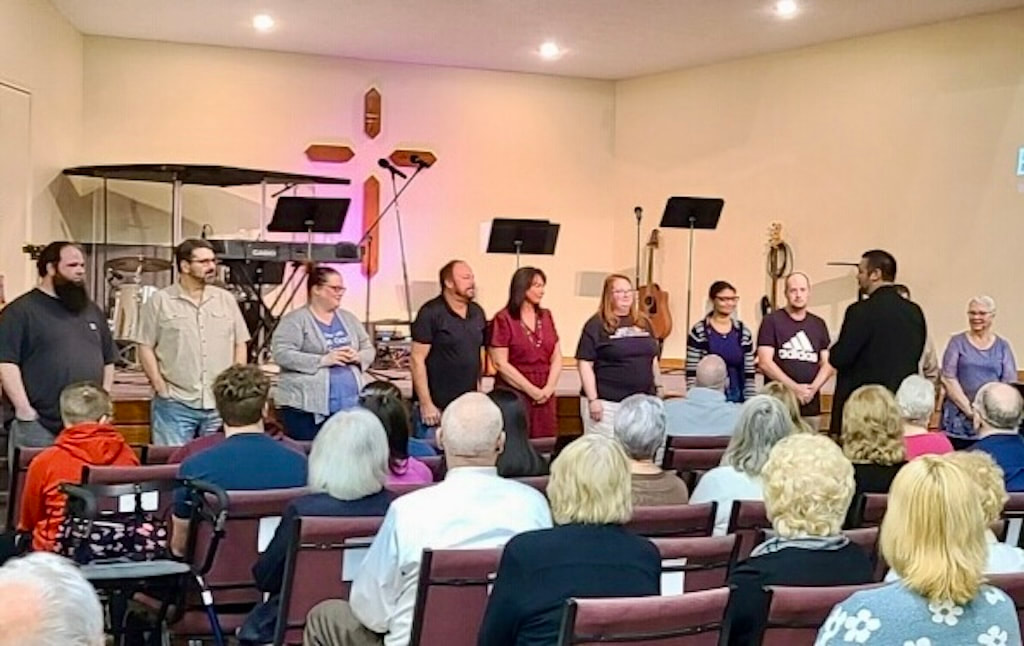 It was an honor and privilege to travel to Bangladesh with Dr. Aron Willis and Dr. Richard Schenck. Both of these men have invested deeply over the past decade in the Wesleyan work in this mission field. This training event (using church planting leadership materials now translated into the Bangla language) was the culmination of the vision that Dr. Willis had many years ago. Rev. Tom Ensz and Rev. Joshe Bose (pictured below with Dr. Willis) will continue to provide Global Partners oversight to this ministry in addition to their other responsibilities in south Asia. Dr. Rich Schenck and the team at Noblesville Circle of Hope are committed to continuing the focus on church planting in the capital city of Dhaka. Please pray for God’s blessing on these important initiatives. 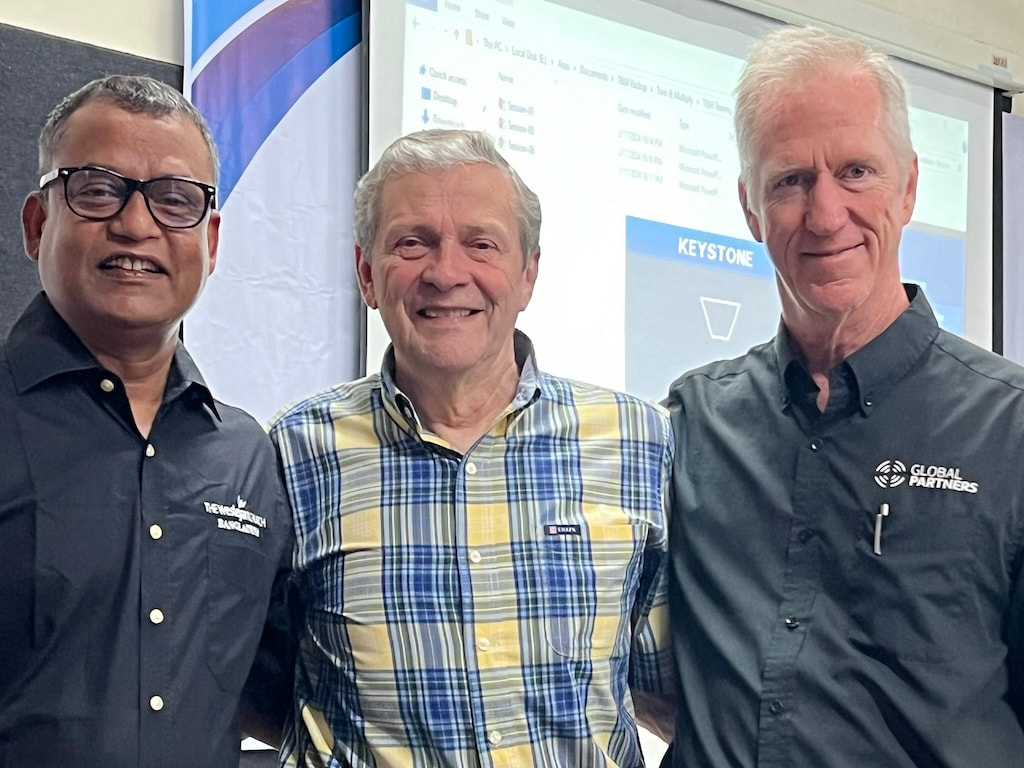 This week, I’ll be joining other Crossroads District leaders in Orlando for Exponential 2024. This premier church planting conference brings together over 5,000 leaders, including nearly 500 Wesleyans from across the US and Canada. Dr Wayne Schmidt, our General Superintendent, will host a group of district superintendents on Monday afternoon in advance of the event. For those unable to attend in person, you can stream the main sessions March 5-7 at the following link: https://exponential.org/live  For those attending The Heartland Gathering, the full schedule has just been posted on the conference website. This conference is designed specifically for pastoral families. The event will provide encouragement, renewal, and resources to strengthen your family and ministry. Your family registration includes 3 nights lodging at The Ramsey Hotel, a hot breakfast buffet for your family members each morning, and all conference sessions, including nursery and full programming for children. We look forward to seeing as many of our pastoral families as possible April 2-5 in Pigeon Forge. For those who haven’t registered yet, you only have a few days left! On April 11-13, 2024, College Wesleyan Church will host the first-ever Marketplace Multipliers Conference. The goal of this conference is to inspire and empower professionals to effectively live out their faith in the workplace. You will hear from clergy and laity alike—practitioners on the front lines of this movement, and those in the trenches. You can learn more about the conference and register for the event at this website: https://collegewes.com/multipliersconference Join us for the OCHLOS Conference, April 13-14, 2024 at Southview Wesleyan Church in Indianapolis. Speakers include Santes Beatty, Director of Next Gen for the Wesleyan Church; Yamil Acevedo, Executive Vice President of Wesley Seminary; Zachary Szmara, Executive Director for Immigrant Connection and Pastor of the Bridge Church; and Meg Puello, Executive Director of ASPYRE Inc. Click Here for more information and registration. Save the date! Our 2024 Crossroads District Conference will be held on Saturday, June 29th at Lakeview Wesleyan Church in Marion. This annual gathering is a wonderful time of celebration, inspiration, and Kingdom connection across our district family. Mark your calendars now and make plans to join us! Please continue to keep our churches preparing for upcoming pastoral votes on March 3rd and 10th in prayer as they discern God’s direction and will during this process. Keep on making a difference in the cause that counts for eternity! Your servant in Christ, Mark Gorveatte Crossroads District Superintendent |
Archives
July 2024
|
 RSS Feed
|
|
|